


Hybrid Cars in Egypt 2026: Are They the Practical Alternative to Petrol and Fully Electric Vehicles?
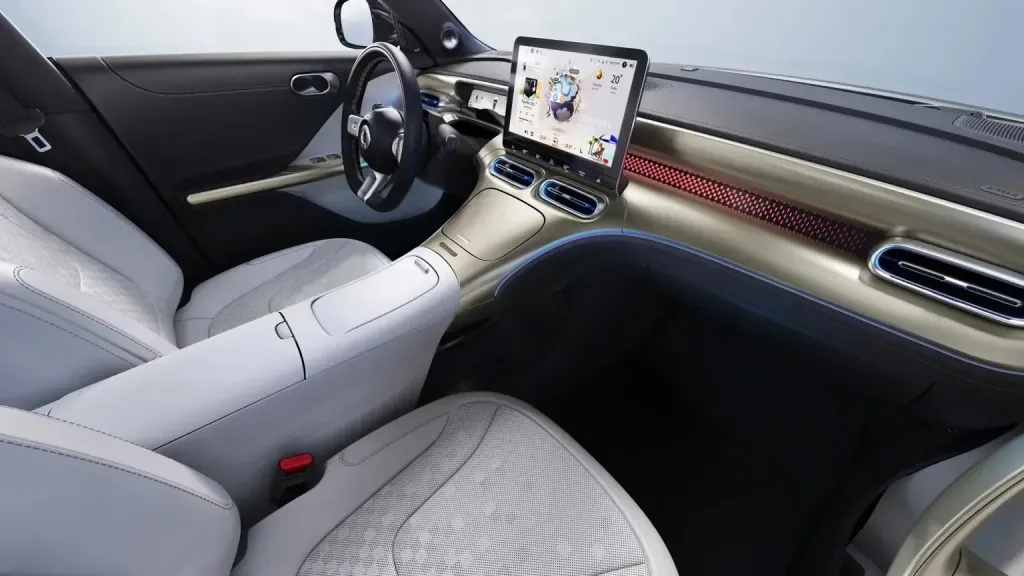
Hybrid vehicles are attracting growing attention in Egypt’s automotive market in 2026, as motorists face higher fuel costs and a wider selection of models combining petrol engines with electric motors. Their appeal lies in offering improved fuel efficiency without requiring drivers to depend entirely on charging infrastructure, an advantage in a market where fully electric vehicles still face affordability and infrastructure challenges. The central question is whether hybrid technology offers Egyptian consumers a financially viable alternative to conventional petrol-powered cars and fully electric vehicles.
The timing coincides with a recovery in Egypt’s automotive market. According to data from the Automotive Information Council (AMIC), total vehicle sales increased by 29.7% during the first seven months of 2026, reaching approximately 116,800 units, compared with 90,100 units in the same period of 2025. Passenger car sales rose by 25% to approximately 87,100 units. Although these figures indicate stronger market activity, they do not establish that hybrid vehicles have become a major share of overall sales.
Understanding Hybrid Technology
Hybrid vehicles combine an internal combustion engine, an electric motor and a battery. The two power sources work together depending on driving conditions, reducing reliance on petrol and improving energy efficiency. Electric assistance is particularly useful at lower speeds and in stop-and-go traffic, while regenerative braking recovers some of the energy normally lost during deceleration and stores it in the battery.
There are three main hybrid configurations. Full hybrids (HEVs) recharge their batteries through the vehicle’s operation and regenerative braking, without requiring an external charging connection. Plug-in hybrids (PHEVs) have larger batteries that can be charged from an external power source, allowing them to cover certain distances using electricity alone before relying on the petrol engine. Mild hybrids (MHEVs), meanwhile, use a smaller electric motor to support the combustion engine but generally cannot drive the vehicle on electric power alone. Understanding these distinctions is essential when comparing vehicle prices, efficiency and operating costs.
Fuel Prices and Operating Costs
Fuel prices are among the main factors supporting interest in hybrid technology in Egypt. As of November 2026, gasoline prices stand at EGP 22.25 per litre for 92-octane, EGP 24 for 95-octane and EGP 20.75 for 80-octane, following the government’s October 15 decision to maintain existing prices through the end of the year.
Against this backdrop, full hybrid vehicles can deliver meaningful fuel savings compared with equivalent conventional petrol models, particularly in urban environments characterized by frequent stopping and acceleration. However, actual savings depend on the vehicle’s weight, powertrain, driving conditions and annual mileage. The higher initial purchase price can also offset some of the savings, particularly for motorists who cover relatively short distances. Buyers therefore need to assess the total cost of ownership rather than relying exclusively on manufacturers’ advertised fuel-consumption figures.
Market Availability and Consumer Challenges
Egypt’s hybrid market is becoming more diverse, with models from Chinese and international manufacturers entering the market. Available options include the Haval H6 Hybrid and selected models from BAIC and MG, alongside plug-in hybrid offerings from other manufacturers. This growing selection is expanding consumer choice, although differences in technology, equipment and pricing remain significant. Buyers should verify the exact powertrain offered in each trim level, as mild hybrids, full hybrids and plug-in hybrids provide different operating benefits.
Nevertheless, battery replacement costs, spare-parts availability and access to qualified maintenance centres remain important considerations. Although hybrid batteries are designed for extended service lives, replacement outside the warranty period can represent a substantial expense, depending on the vehicle and battery specifications. Warranty conditions also vary between manufacturers. Consumers should therefore examine battery coverage, mileage limits, scheduled maintenance requirements and the availability of authorised service facilities before making a purchase.
Government Policy and the Outlook for Hybrid Vehicles
At the policy level, Egypt is working to develop its domestic automotive industry through the National Automotive Industry Development Program, which aims to increase local production, deepen industrial content and attract investment. Recommendations presented by a government working group reviewing the programme included studying the addition of hybrid vehicles under environmental-compliance incentives, with a proposed 10% incentive while retaining a 30% customs tariff. This remains a recommendation rather than confirmation that the proposed incentive has been formally implemented.
Hybrid vehicles could therefore serve as a transitional option for certain Egyptian consumers, particularly those who travel considerable daily distances in urban areas but lack convenient access to electric vehicle charging facilities. Their economic viability, however, depends on several factors, including the purchase price, fuel consumption, maintenance expenses, battery warranty and expected resale value. Hybrids are not necessarily the most economical choice for every buyer, but they offer an alternative between conventional petrol-powered vehicles and fully electric cars. The decision ultimately depends on individual driving patterns, available infrastructure and purchasing power.
related topics
 Chinese Brand GAC Launches Local Assembly in Egypt via EGA Plant with...
 Egyptian Engineers Power 50% of Valeo’s Software Production as Smart Car Innovation...
 Mostafa Shobeir Named Official Brand Ambassador for Geely Coolray in Egypt
 Egypt Pushes for 100,000-Car Production Target as Local Content Goal Rises to...
 Egypt Plans Tax Relief to Cut Vehicle Costs for Youth Employment Projects
 OMODA X Makes Global Debut in China with Advanced Intelligent Driving and...
 BYD’s Yangwang U9 Supercar Arrives in Egypt as the First in the...
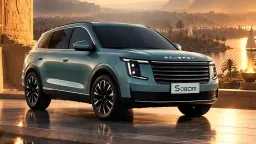 Soueast S08 DM Tops Hybrid Car Sales in Egypt for September 2026
 TradeLine and Auto Pulse Launch the World’s First AI-Powered ”Smartwatch for Cars”...
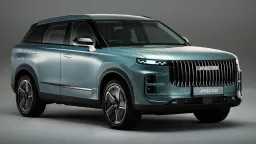 Fierce Competition in the Egyptian Automotive Market: Skoda Tops European Car Registrations...
 Egypt’s Automotive Exports Reach $821.6 Million Driven by Local Assembly and Manufacturing...
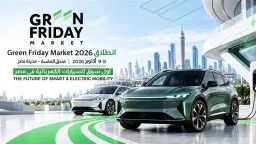 Egypt to Host ”Green Friday”: A Comprehensive Platform for the Future of...