


Egypt Plans Tax Relief to Cut Vehicle Costs for Youth Employment Projects
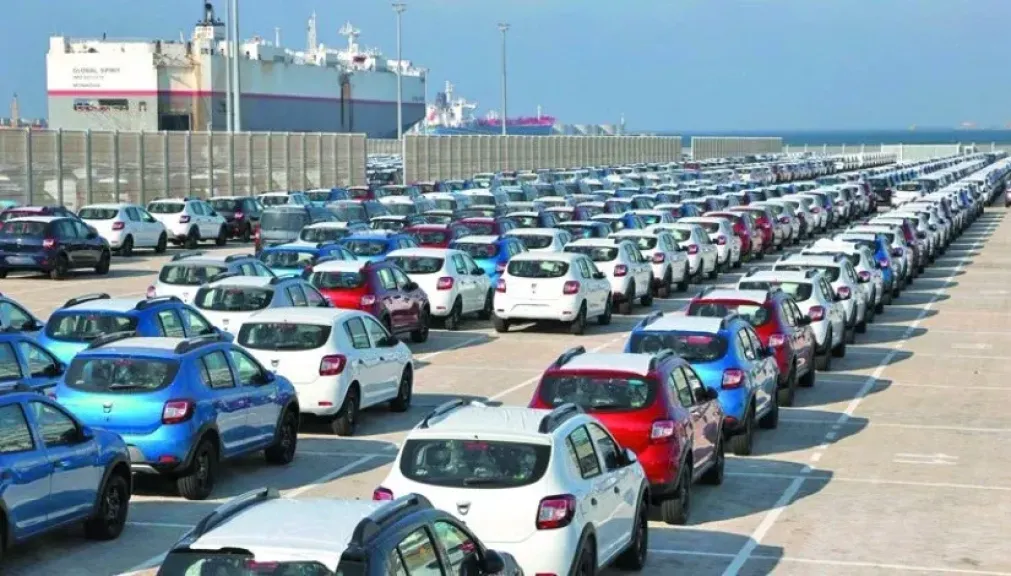
Egypt is considering a new legislative framework that would lower the cost of vehicles provided to young people under the national youth employment project managed by the Tahya Misr Fund.
The proposed legislation is due to be discussed by the House of Representatives’ Planning and Budget Committee on Monday, with Finance Minister Ahmed Kouchouk attending the meeting.
The plan is designed to make taxis and transport vehicles more affordable for young beneficiaries seeking to establish small income-generating businesses, while providing access to facilitated financing arrangements.
Five Taxes and Fees Covered by the Treasury
The proposed framework would see Egypt’s state treasury cover customs duties, value-added tax, schedule tax, stamp duty and the state financial resources development fee on qualifying vehicles.
The treatment would apply to locally manufactured vehicles that incorporate imported components and are allocated to the national youth employment initiative.
Reducing these tax and fee costs is expected to allow the Tahya Misr Fund to offer vehicles at prices below comparable market levels.
Natural gas-powered taxis and light pickup trucks are included in the initiative, while beneficiaries would have access to installment schemes with reduced interest rates covering vehicle insurance and the risk of payment default.
Vehicles Cannot Be Resold for Seven Years
The proposed law includes safeguards aimed at ensuring that the financial benefits reach their intended recipients.
Beneficiaries would not be permitted to sell, transfer or otherwise dispose of the vehicles for seven years after the first licence is issued, or until outstanding installments have been fully repaid, whichever is later.
Using a vehicle for purposes outside those specified by the initiative would also lead to the withdrawal of the preferential treatment and require its return to the Tahya Misr Fund.
Framework Could Support Future Initiatives
The Prime Minister would be responsible for determining which vehicles and components fall under the legislation and setting implementation procedures, following a proposal by the Finance Minister and coordination with relevant authorities.
The legislation would enter into force the day after its publication in the Official Gazette once it has completed the required legislative process.
The framework is also designed to enable similar initiatives to be introduced in the future and potentially extend the special treatment to additional vehicle categories, expanding access to employment opportunities and supporting small enterprises.
related topics
 Tamer Taha Takes Over as Executive Director of TIEC to Advance Egypt’s...
 Mastercard Opens New Dubai Experience Center Serving 81 Markets Across EEMEA
 The Next Climate Sensor May Be 500 Kilometers Above Us - SatLeo...
 FRA Approves Raising Banque du Caire’s IPO Stake to 45%
 Deloitte Plans Additional $40 Million Investment in Cairo Innovation Hub
 Egypt Records $18 Billion in FDI in FY2025/26 as Investment Ministry Pushes...
 Future of Egypt: Private Sector Participates in 53 Companies, Plans to List...
 Egypt and Russia Move to Activate Russian Industrial Zone in Ain Sokhna
 Egypt and Talaat Moustafa Group Ink 11 Trillion EGP Deal for Four...
 Egypt’s ICT Minister: Digital Transformation Is Essential, with Job Creation a Top...
 IDWS 2026 Brings the World Together to Accelerate the Deployment of Water...
 EUI Showcases Egypt’s AI Talent Through 2026 AI for Education Hackathon