


The Future of Mobility: Feasibility, Global Expansion, and Challenges of Self-Driving Taxis
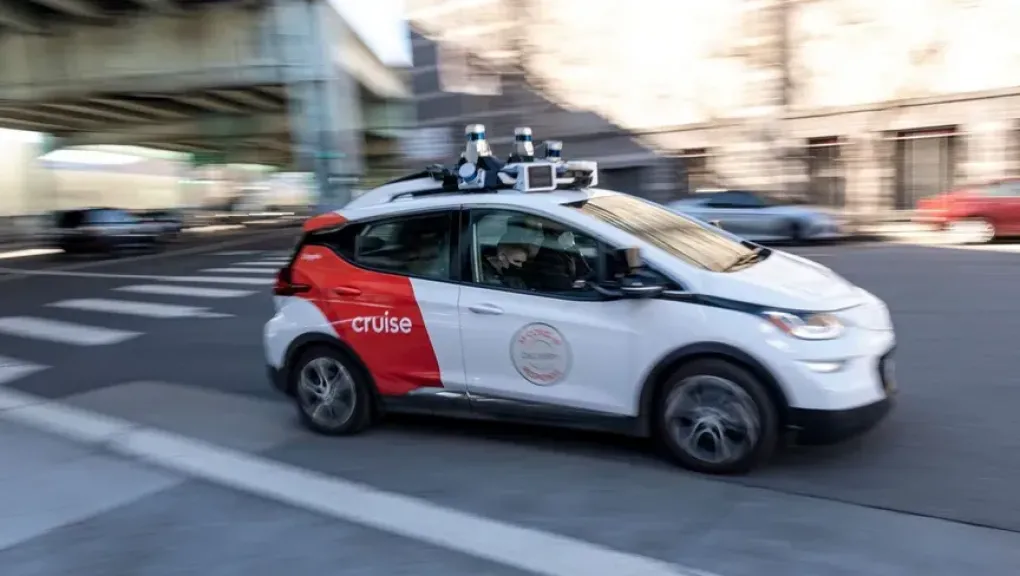
For over a decade, major tech companies have promoted self-driving taxis as a safer and more efficient means of transporting people within cities. Since 2018, these vehicles have been operating on a limited scale, with the United States and China leading the trend.
Over the past year, users in Croatia, Singapore, Dubai, Abu Dhabi, and Riyadh have been able to request self-driving taxis, and London may soon join this growing list. However, progress has been slower than anticipated, as developers have faced a myriad of logistical challenges and regulatory hurdles. These obstacles must be overcome before autonomous vehicles can compete with traditional taxis on a massive scale.
What is the Feasibility of Self-Driving Taxis?
When Google announced its self-driving car research project in 2010, the company's engineers painted a picture of an ideal future where people are freed from driving, allowing them to engage in more useful or less monotonous activities during their commutes. The underlying premise was that driving can be stressful, and owning a private vehicle is an unnecessary and costly burden, even if it occasionally brings pleasure. According to this vision, networks of autonomous vehicles will gradually replace widespread private car ownership, as they can be instantly hired for individual trips anywhere and at any time.
Read also: Saudi Arabia paves the way for the launch of flying taxis through a Memorandum of Understanding with Joby.
Proponents of self-driving taxis argue that they are highly beneficial for the environment. They consume less energy than human-driven cars by optimizing routes and avoiding unnecessary braking and acceleration. Additionally, fleets of robotaxis can improve traffic flow in urban areas, thereby significantly reducing congestion. While private cars remain parked most of the time, self-driving taxis can operate continuously. Consequently, transitioning to this model means increasing the passenger utilization rate per vehicle and reducing the total number of cars on the roads.
Tesla CEO Elon Musk has suggested that both personal transportation models could coexist. Tesla owners could rent out their vehicles to support the company's robotaxi network to meet transportation demands, rather than leaving them parked in driveways—a model akin to listing a home on Airbnb. (Naturally, this assumes the Tesla owner first ensures the potato chip crumbs are cleaned from the back seats).
Furthermore, partnering with or owning fleets of self-driving taxis would allow ride-hailing giants like Uber and Lyft to bypass the need for tens of millions of human drivers, whose wages currently represent the sector's largest operational cost.
Where Can You Ride a Self-Driving Taxi?
In most places, you still cannot. As of June, robotaxi services were available in approximately 24 cities across the US and China, primarily restricted to central urban areas where demand peaks. They can be hailed via dedicated apps operated by Google's Waymo, Tesla Robotaxi, Baidu’s Apollo Go, and Pony.ai’s PonyPilot+, or through third-party platforms such as Uber, Lyft, WeChat, and AliPay. Meanwhile, emerging self-driving taxi services have also launched in a select number of cities across Europe, the Middle East, and Singapore.
related topics
 Elon Musk Caps Tesla Employees' AI Spending at $200 Weekly While Exempting...
 PIF’s HUMAIN Partners with NVIDIA to Deploy DRIVE Hyperion Platform for Level...
 Your Next Ride is Just a Click Away
 Waymo Deploys Zeekr-Powered Robotaxis to Slash Operating Costs and Drive Profitability
 inDrive Launches Audio Trip Recording Feature to Bolster Passenger and Driver Safety...
 Tesla Deploys Fully Autonomous Robotaxis in Dallas and Houston Ahead of Q1...
 Didi Unveils Intelligent Travel Assistant in China, Revolutionizing Ride-Hailing with Natural Language...
 Uber Expands Beyond Ride-Hailing to Capture Trillion-Dollar Local Commerce Opportunity
 Uber to Invest Up to $1.25 Billion in Rivian to Accelerate Autonomous...
 Elon Musk Unveils “Macrohard” AI Project Combining Tesla and xAI to Simulate...
 DiDi Egypt Highlights Ramadan Mobility Trends and Growing Role of Women Riders
 Affordable Travel for Eid Al-Fitr: inDrive’s City-to-City Service Offers Practical Mobility Solutions...