


Amazon”s New Echo Time Uses AI to Rethink How Users Wake Up
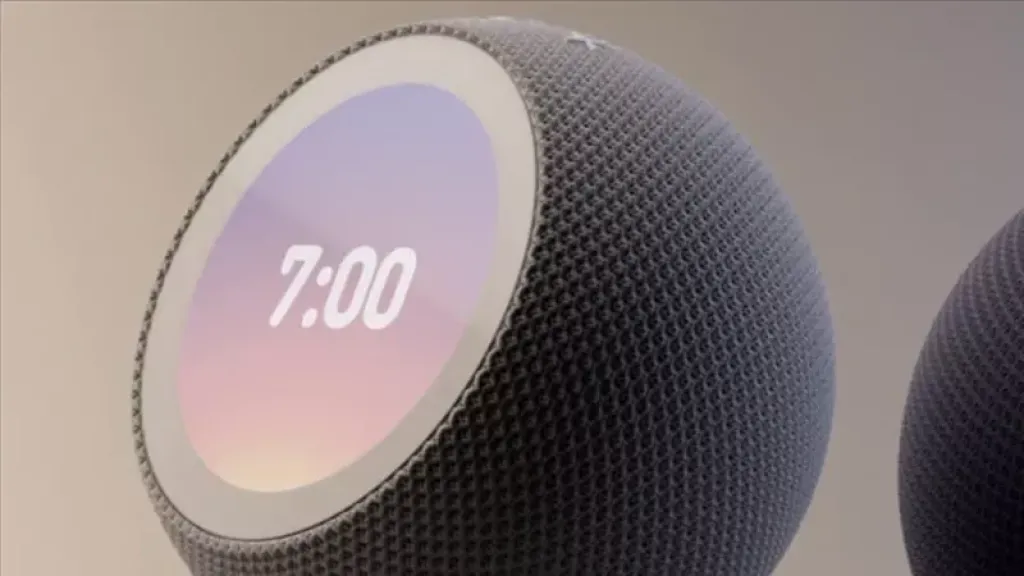
Amazon is bringing artificial intelligence deeper into the bedroom with Echo Time, a new smart alarm clock that can monitor sleeping patterns and adjust the wake-up experience without relying on a wearable device.
The Alexa+-powered product combines contactless sleep tracking with smart lighting and alarm features, while its circular touchscreen design excludes a camera.
Echo Time Watches for Lighter Sleep
Rather than requiring users to wear a smartwatch overnight, Echo Time collects information through temperature and movement sensors and uses ultrasound technology to monitor breathing patterns.
These signals allow the device to estimate sleep stages and potentially trigger the alarm while the user is experiencing lighter sleep.
The system can select a wake-up time within a window extending as far as one hour before the alarm originally set by the user.
A Gradual Start to the Morning
Amazon has also built lighting into the wake-up process. Echo Time's display can gradually brighten to simulate sunrise in the morning.
At night, the screen dims and reduces blue light, creating a different lighting environment as bedtime approaches.
Privacy Controls Remain in Users' Hands
Despite its sleep-monitoring capabilities, Echo Time does not feature a camera, reflecting its intended use in bedrooms.
Users can also decide whether they want the sleep-tracking feature active, with the option to switch it off at any time.
Kids Model Adds Parental Controls
The standard Echo Time starts at $199, while Amazon is offering a children's edition from $209.99.
The kids version includes features that allow parents to organize bedtime schedules and manage children's daily routines.
With Echo Time, Amazon is extending the role of AI-powered home devices beyond voice commands, positioning them as tools that can respond more closely to users' everyday habits and routines.
related topics
 Samsung Q3 Profit Reaches Record High as AI Fuels Memory Chip Demand
 Forsa Prepares for ”Black Friday 2026” Season with Early Shopping Facilities and...
 Sharm El-Sheikh Forum Puts AI-Driven Risk Management and Insurance Resilience in Focus
 Econet Turns to AI to Optimize Telecom Generators and Slash Diesel Spending...
 Visa: 72% of UAE Shoppers Used AI During Their Latest Shopping Journey
 Ericsson Brings Next-Generation Connectivity and AI-Driven Network Innovation to Cairo ICT 2026
 Egypt and Uganda Move Toward a New Digital Partnership Focused on AI...
 Strategic Partnership Between ”Qudwa-Tech” and the Ministry of Youth and Sports to...
 Raya IT Highlights Integrated Technology Portfolio at Cairo ICT 2026 With Focus...
 Dollar Trades in Narrow Range Against Egyptian Pound as Thursday Session Begins
 Majid Al Futtaim and Saudi German Hospital Launch Breast Cancer Awareness Initiative...
 QNET Highlights HomePure Water Purification Solutions at Cairo Water Week 2026