


Standardizing the Supply Chain: How Food Safety and Commercial Diplomacy are Anchoring Egypt’s Export Drive in Morocco
2026 In modern international trade, securing a deal during a B2B matchmaking session is only half the battle. The true challenge lies in navigating the complex maze of non-tariff barriers, custom clearances, and strict sanitary and phytosanitary (SPS) regulations. Recognizing this operational reality, Egypt’s ongoing trade mission to Morocco has integrated regulatory enforcement directly with corporate deal-making, signaling a mature shift in how the nation executes its sovereign export strategies.
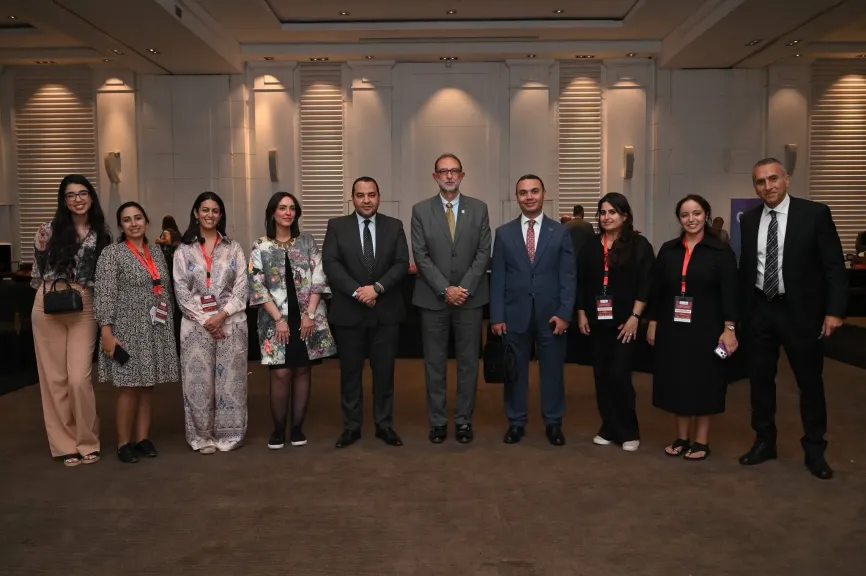
The Regulatory Counterweight to Commercial Growth The presence of Dr. Tarek El-Houby, Chairman of Egypt's National Food Safety Authority (NFSA), alongside Rabat Commercial Service Chief Moataz Billah Ali on the Casablanca negotiation floors underscores this integrated approach. Rather than leaving exporters to interpret import mandates independently, the state is actively deploying regulatory leaders to negotiate compliance framework alignment in real-time.
The discussions on the floor centered on harmonizing food safety verification systems. By bridging the technical gap between Egyptian processing standards and Moroccan import requirements, the delegation is effectively building a "green corridor" for Egyptian fast-moving consumer goods (FMCG). This proactive compliance strategy directly reduces port-of-entry delays, preserves product shelf-life, and enhances the baseline cost-competitiveness of Egyptian brands against European alternatives.
The Power of Ecosystem Networking The strategic architecture of the mission was further reinforced during an executive gala hosted by the Food Export Council, anchored by Egypt’s Ambassador to Morocco, Ahmed Nehad Abdel-Latif. The dinner moved past standard diplomatic pleasantries, acting as a calculated deal-closing environment that brought together Egyptian manufacturers, Moroccan distributors, and institutional investment authorities.
According to mission leaders Hany Afia and Dr. Tamim El-Dawy, navigating the Moroccan market requires building deep, localized institutional trust. By positioning diplomatic assets, food safety regulators, and private enterprise under a single, unified front, Egypt is demonstrating a repeatable blueprint for market penetration. As the Food Export Council pushes to expand its footprint across African and Arab markets, this synchronized deployment ensures that Egyptian food industries are backed by the regulatory framework and state diplomacy required to secure permanent, long-term market dominance.
related topics
 FRA Chairman at CAISEC 2026: Non-Banking Financial Companies to be Mandated with...
 Ghana’s Cyber Security Authority DG at CAISEC 2026: Cybersecurity is Synonymous with...
 Food Export Council Highlights Supplier Qualification and Food Safety Standards at FI...
 Egyptian Gold Market Exhibits High Pricing Maturity Amid Global Geopolitical Hesitation
 FRA Grants El Salem Holding License for Corporate Formations and Non-Banking Financial...
 Egyptian Pound Holds Firm as US Dollar Flattens Across Commercial Banks Amid...
 Huawei Egypt Launches Eid Al-Adha Campaign, Partnering with 9 Commercial Banks for...
 Egyptian Exchange Executes EGP 54M Block Trade on EG Bank Shares Under...
 Contact Financial Reports EGP 453M Q1 2026 Mobile Transaction Volume via ”Contact...
 Contact Financial Reports 27% Operating Revenue Growth to EGP 642M in Q1...
 FRA Grants Medmark TPA Provisional License Under New Unified Insurance Law
 FRA Approves Establishment of Beltone Real Estate Investment Subsidiary