


Government Freezes Fuel Prices Until the End of December 2026: A Move to Calm Markets and Support Economic Stability
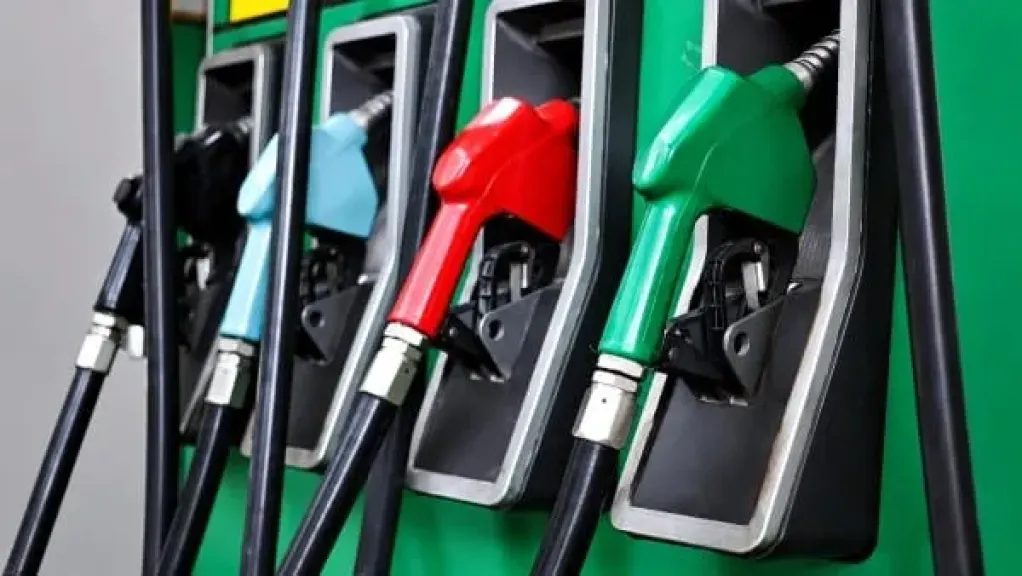
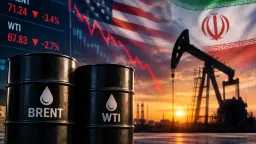
In a proactive step aimed at enhancing domestic market stability and alleviating living and production burdens, the Ministry of Petroleum and Mineral Resources announced the decision of the Automatic Pricing Committee for Petroleum Products to maintain fuel prices unchanged until the end of December 2026. This decision follows a comprehensive review of economic determinants for the third quarter of the year (July - September), primarily the global price movements of Brent crude and fluctuations in the exchange rate of the Egyptian pound against foreign currencies.
Current Petroleum Products Price Map
Under this decision, all petroleum products will continue to trade at their currently applied official price levels without any increases:
Gasoline 95: EGP 24 / liter.
Gasoline 92: EGP 22.25 / liter.
Gasoline 80: EGP 20.75 / liter.
Diesel: EGP 20.50 / liter.
Natural Gas for Vehicles: EGP 13 / cubic meter.
Household LPG Cylinder (12.5 kg): EGP 275.
Commercial LPG Cylinder (25 kg): EGP 550.
Direct Support for Production and Transport Sectors
The impact of this decision extends beyond the energy market to reach vital economic pillars, foremost among them being land transport, logistics, industry, and agriculture. Given the direct reliance of cargo transport and production equipment on diesel, fixing its price grants companies and business organizations a clearer vision for planning operational budgets and steadily estimating cash flows during the remainder of the year.
Curbing Inflation and Protecting Purchasing Power
The stability of transport and operational costs acts as a bulwark against the emergence of new inflationary waves that could rapidly spill over into consumer goods and basic services prices. Small and medium enterprises (SMEs) and energy-intensive activities directly benefit from this calming measure, protecting their operational capacities. However, the overall trajectory of inflation remains tied to other intertwined factors, such as labor wages, import costs, and monetary policies.
Global Challenges and the Financial Balancing Equation
Despite freezing prices domestically, geopolitical developments in global oil markets and exchange rate fluctuations remain the primary drivers for future pricing decisions. Through this decision, the state aims to achieve a balanced equation that combines easing social and economic pressures on citizens and the private sector with absorbing the costs of importing and providing petroleum products.
related topics
 Finance Minister: Committed to Structural Reforms and Private Sector Empowerment to Boost...
 Egyptian and Jordanian Finance Ministers Discuss Deepening Economic Cooperation in Bangkok
 Egypt Trust Leads the Digital Certification Sector to Enhance Digital Sustainability and...
 Prime Minister Reviews FRA Efforts to Boost Non-Banking Financial Activities, Protect Market...
 FABMISR Strengthens Banking Leadership with Strong Productivity and a Promising Transformation Strategy
 Gold Market Stability: Gold Continues to Hold Steady in Egypt with Karat...
 US Dollar Exchange Rates Today, Thursday, October 1, 2026: Notable Stability Across...
 Oil Prices Edge Higher as Trump Denies Sanctions Relief for Iran Amid...
 Global Oil Prices Rise Amid Ongoing Middle East Supply Concerns
 CBE Opens Bidding for EGP 60 Billion Treasury Bonds on Behalf of...
 US Dollar Holds Steady Against Egyptian Pound in Monday’s Banking Transactions
 Oil Prices Slide Further as US-Iran Ceasefire Talks Weigh on Markets