


Used Smartphone Sales Set to Rise 12% in 2026 as New Phone Market Slumps
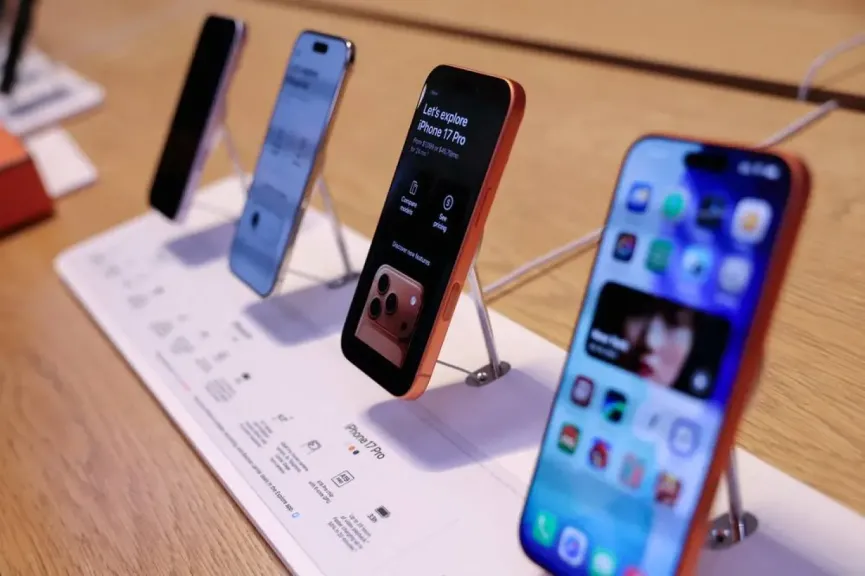
Global demand for pre-owned and refurbished smartphones is gaining momentum as rising manufacturing costs, inflation and consumer resistance to expensive new handsets reshape the mobile market.
Counterpoint Research forecasts a 12% year-on-year increase in pre-owned smartphone sales in 2026, even as shipments of new devices face a steep decline.
Emily Herbert, a senior analyst at the research firm, said used phones had become a mainstream option in recent years. Manufacturers, mobile operators and retailers have invested more heavily in the segment, while consumers have grown more comfortable buying secondhand or refurbished devices.
New smartphone shipments face a sharp downturn
Counterpoint expects shipments of new smartphones to fall by 12% this year, potentially pushing the market below 1.1 billion units.
Rising memory prices driven by demand associated with artificial intelligence have increased smartphone manufacturing costs. Inflationary pressures on essential goods intensified further following the conflict in Iran.
Herbert said the projected decline would exceed the downturns recorded during the COVID-19 pandemic and the inflation-driven slowdown of 2022–2023. If the forecast holds, global shipments could return to levels last seen around 2013.
A recovery is unlikely in the near term. Demand is expected to remain weak through 2027, with a rebound possible in 2028, although it would be more limited than in previous market cycles.
Longer replacement cycles threaten used-phone supply
Structural changes are also reshaping the industry. Consumers are keeping their smartphones for more than four years, while fewer manufacturers and product launches, greater market consolidation and a stronger focus on premium devices are changing purchasing patterns.
Manufacturers are increasingly emphasizing artificial intelligence features and higher-end hardware capabilities, reinforcing the industry's reliance on expensive handsets.
However, longer replacement cycles create a challenge for the refurbished market. Its supply depends on consumers trading in devices when they upgrade. If owners keep their phones for longer, fewer used handsets enter refurbishment and resale channels.
Herbert expects demand for pre-owned devices to continue growing but warned that supply could become more constrained. Unused phones therefore represent a significant opportunity for the industry.
Hundreds of millions of idle phones remain untapped
Counterpoint counted more than 600 million idle smartphones worldwide last year, including devices that owners had kept after upgrading rather than trading them in. By comparison, 338 million devices entered the refurbished supply chain.
Bringing those unused handsets back into circulation will not be straightforward, but consumer attitudes are shifting. In a Counterpoint survey, around 60% of respondents in India and the UK said they would consider buying a refurbished phone for their next device.
The findings point to a growing role for the secondhand market as the new-smartphone business comes under mounting pressure. What was once a relatively small segment is increasingly becoming a key part of the global mobile industry.
related topics
 OPPO Partners with Manus to Integrate Agentic AI into Upcoming Find X10...
 FRA Conducts Live Testing for Central Lending System Ahead of Short Selling...
 Gold Prices in Egypt Remain Stable Today: 24-Karat Records 7,46 EGP Amid...
 Housing Minister Sets Roadmap to Regulate Real Estate Market and Protect Buyers'...
 EFG Hermes UAE Launches Market Making and Liquidity Provision Services on the...
 EGP 10 Billion Partnership Between Banque Misr and Founders to Finance and...
 Gold Prices Stabilize in Egypt Today, Monday, October 12, 2026
 MNT-Halan’s Net Profit Rises 20.7% to EGP 910 Million in H1 2026
 SBS Platform Launches Egypt’s First AI-Powered Network for Real Estate Brokers via...
 Egypt Gold Prices Today: 21-Karat Holds at EGP 6,150 as Dollar Strength...
 Honor Limits Smartphone Price Hikes in China as Competitors Raise Prices Amid...
 HONOR X9e Pro.. A New Smartphone Featuring a 11,000mAh Battery, 108MP Camera...