


Egypt Puts Cybersecurity at the Heart of Digital Sovereignty as Arab Security Conference Marks 10 Years
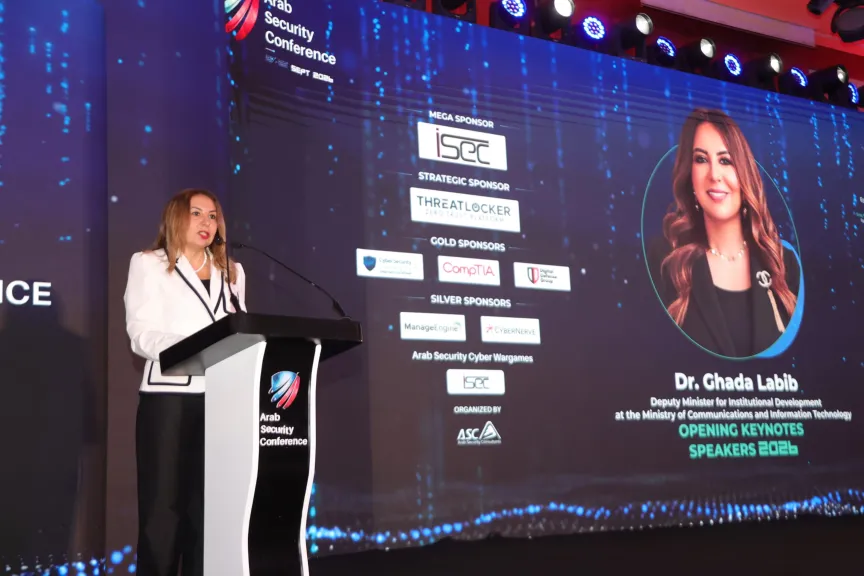
Egypt is putting cybersecurity at the center of its digital transformation strategy as artificial intelligence, cloud computing and the rapid expansion of online government services create a much larger attack surface for institutions and critical infrastructure. That message dominated the opening of the 10th Arab Security Conference in Cairo, which brought together government officials, cybersecurity executives, technology companies and experts from Egypt, the Arab region and international markets. Speaking on behalf of ICT Minister Raafat Hendy, Deputy Minister of Communications and Information Technology for Institutional Development Ghada Labib said cybersecurity can no longer be treated as a technical layer added after digital services are built. “Cybersecurity is a pillar of digital sovereignty, a component of competitiveness and a prerequisite for sustainable development,” Labib said. The conference’s tenth edition also marks a decade since the event was launched in 2017, during which cybersecurity has moved from a specialist IT concern to a strategic issue affecting governments, businesses, financial systems and increasingly data-driven economies.

Egypt links cybersecurity to digital sovereignty
Labib said every step toward a larger digital economy creates new opportunities for growth, but simultaneously increases the responsibility to protect data, maintain service continuity and preserve trust. Egypt’s approach, she explained, is increasingly based on building security and privacy requirements into digital systems from the design stage rather than addressing vulnerabilities after deployment. That includes defining responsibilities, continuously assessing risks and ensuring institutions can respond to cyber incidents and recover when attacks occur. The approach forms part of Egypt’s National Cybersecurity Strategy 2023–2027, alongside the work of the National Telecom Regulatory Authority and Egypt’s national computer emergency response capabilities. Labib argued that technology represents only one part of the equation. Governance, institutional readiness and human skills are equally important to keeping increasingly connected government and business systems secure. “Technology without people capable of managing it cannot deliver sustainable transformation,” she said, emphasizing the need to turn cybersecurity policies into everyday institutional practices.
AI creates a new cybersecurity equation
Artificial intelligence emerged as one of the central themes of the opening discussions. AI is giving security teams more powerful tools to identify unusual activity, analyze large volumes of data and detect threats earlier. But the same transition is creating new risks around data security, AI models, accountability and human oversight. Labib said organizations need to address both sides of that equation as AI becomes embedded more deeply into digital infrastructure. Cybersecurity skills will therefore become increasingly important alongside investment in technology. The Ministry of Communications and Information Technology is expanding specialist training through initiatives including the Cybersecurity Academy at the Information Technology Institute (ITI) and cybersecurity programs for children and young people through the National Telecommunication Institute (NTI). The objective is to widen Egypt’s cybersecurity talent pool while building awareness among users who increasingly interact with digital services in their everyday lives.
155 million mobile subscriptions expand Egypt’s digital attack surface
The scale of Egypt’s connected population illustrates why cybersecurity has moved higher on the national agenda. Tawfik Kandil, Vice President of the Central Agency for Public Mobilization and Statistics (CAPMAS), said Egypt has around:
- 155 million mobile subscriptions
- More than 14 million fixed internet subscriptions
- A rapidly expanding base of citizens and organizations relying on digital services and exchanging data online
Kandil said the growth of digital services makes data security increasingly important not only to government institutions but also to the business environment and decision-making. He described protecting data as a shared responsibility and a first line of defense against cyber threats.
NTRA: Cyber threats are being monitored around the clock
Walid Zakaria, Vice President of the National Telecom Regulatory Authority for Cybersecurity, said Egypt has been building its cybersecurity framework through measures including the establishment of the Supreme Cybersecurity Council and the implementation of the national cybersecurity strategy. NTRA is monitoring cyber threats around the clock, he said, while working to protect critical information infrastructure, develop the regulatory framework and increase cybersecurity awareness. Young people and children are becoming an increasingly important part of that work as widespread access to AI tools changes how younger users interact with the internet and digital services. Zakaria said cross-border cyber threats also make regional cooperation essential, arguing that no country can address the evolving threat landscape in isolation.
ITIDA focuses on trust behind digital transactions
The rapid expansion of data centers and electronic services is also changing the security requirements surrounding digital transactions. Doaa Khaled, Senior Manager for Financial Transactions at the Information Technology Industry Development Agency (ITIDA), said trusted digital transactions depend increasingly on strong cybersecurity capabilities. ITIDA’s work in areas including electronic signatures and electronic services puts trust and identity at the center of that challenge. Khaled said developing specialized talent in data and transaction security will be essential as more economic activity moves onto digital platforms.
iSec says people remain the first line of cyber defense
Technology companies attending the conference similarly highlighted the human side of cybersecurity. Ahmed Bahaa, Vice President of iSec, said effective cybersecurity depends on people, professional responsibility and teamwork alongside security technologies. He said iSec was the first company to secure NTRA registration as a cybersecurity service provider, describing the recognition as part of the company’s commitment to regulatory and technical standards. The company plans to continue investing in young cybersecurity professionals and building skills capable of supporting the region’s growing security requirements.
Arab Security Conference enters its second decade
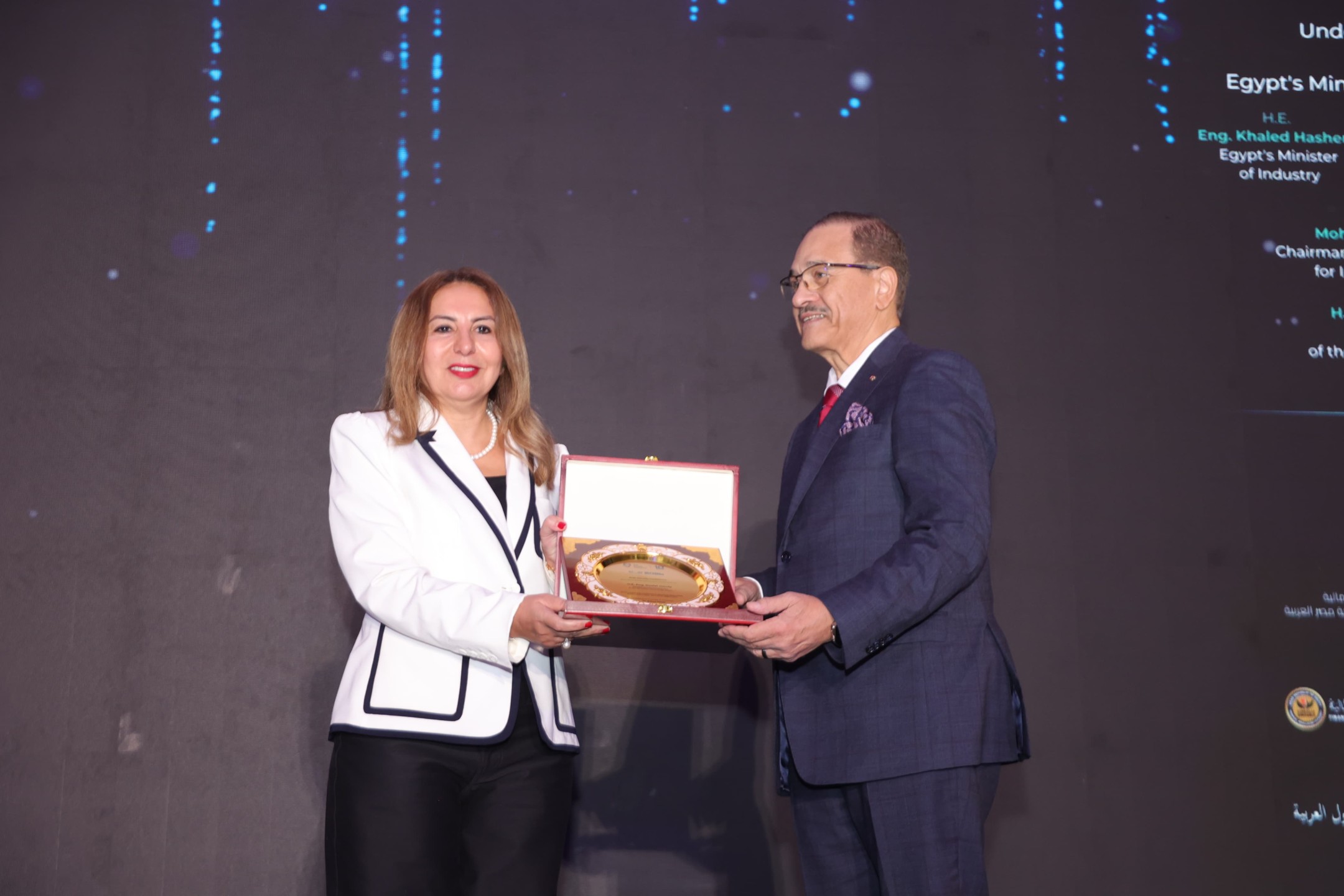
For Dr. Bahaa Hassan, Chairman of the Arab Security Conference, reaching the tenth edition reflects how dramatically the cybersecurity landscape has changed since the event began. He said cloud computing, AI and increasingly connected infrastructure mean cybersecurity is no longer optional for organizations. The conference has consequently evolved into a meeting point for government officials, security professionals, businesses and decision-makers looking to exchange expertise and build partnerships around common threats. Hassan said technology alone will not solve the challenges ahead, arguing that skilled people, knowledge sharing and partnerships will determine whether organizations can turn security strategies into effective protection. That cooperation is becoming particularly important as cyberattacks increasingly cross national borders while AI simultaneously gives defenders and attackers access to more powerful capabilities. For Egypt and the wider Arab region, the discussion entering the conference’s second decade is therefore changing. The question is no longer whether cybersecurity should accompany digital transformation, but whether security, skills and institutional resilience can develop quickly enough to keep pace with it. The conference continues with technical workshops and panel discussions examining AI-driven security, critical infrastructure protection, cybersecurity talent development and cooperation between governments and the private sector.
related topics
 Egypt & Orange Partner to Boost Investments and Train Youth in AI
 Maye Musk: Elon Ignored My Advice to Focus on a Single Industry...
 Maal, the World's First AI-Native Islamic Financial Platform, Opens New Career Horizons...
 ?AI in Healthcare: A Tool for Efficiency or a Driver of Rising...
 Akamai Technologies Inks $11.6 Billion Cloud Deal with Anthropic, Shares Surge 22%
 Egypt’s ICT Minister Opens DevOpsDays Cairo 2026 to Explore the Future of...
 ”ايسكور iscore” تطلق خدمة رقمية للاستعلام عن الأحكام الجنائية بالتعاون مع النيابة...
 Google to Test AI Chips in Space Through Suncatcher Satellite Mission
 OpenAI Discloses Dozens of Misbehavior Incidents as ChatGPT Leaks Over 50 Private...
 Bill Gates Warns AI Could Cause 'A Billion Deaths,' Urges Urgent Regulation
 Trump and Xi Conclude Three-Day Summit Marked by Personal Diplomacy and Limited...
 Microsoft Expands Copilot With Coding Tools and AI Agents