Etisalat Egypt Saves 7% on Energy Costs Through AI and Raises Call Quality Assessment to 90%
Etisalat Egypt has achieved approximately 7% savings in energy costs during the first year of implementing artificial intelligence in network management, while increasing the percentage of customer calls assessed for quality from 1% to 90%.
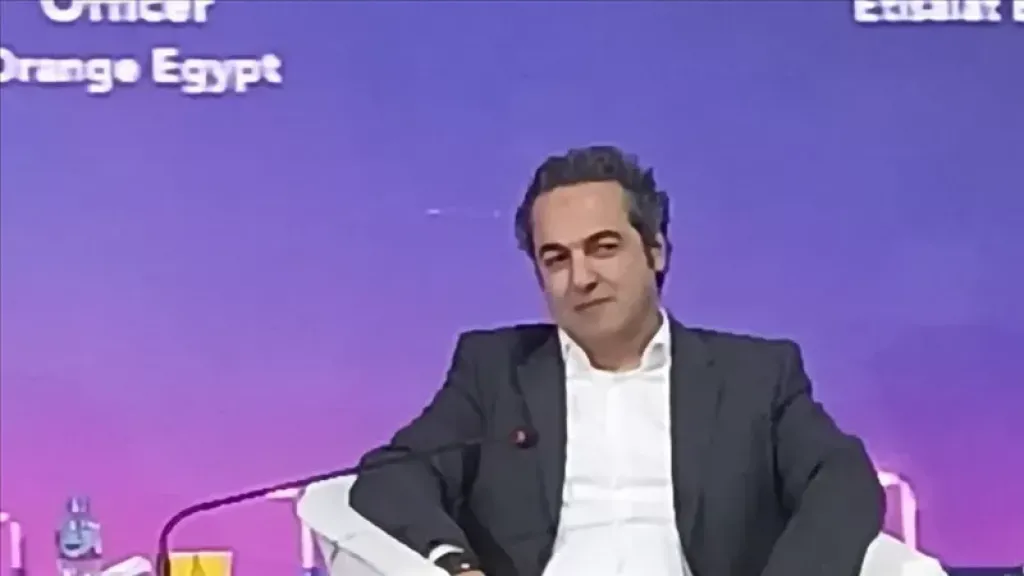
Amr Fathy, Chief Technology and Information Officer at Etisalat Egypt, revealed the results during his participation in the session titled “AI-Native Networks: Reinventing Telecom Operations for the Next Decade” at Cairo ICT 2026.
Fathy explained that the company is focusing on turning AI technologies into practical business applications that deliver measurable improvements in operational efficiency, cost management, revenue generation and customer services.
Strengthening Collaboration Between IT and Network Teams
Fathy highlighted the importance of integrating information technology and network operations to maximize the benefits of AI across telecommunications businesses.
He explained that customers evaluate the overall service experience rather than distinguishing between a company's internal departments. This experience depends on network infrastructure, connectivity, applications and digital systems working together.
AI is creating new opportunities for closer cooperation between these teams by combining their technical expertise and operational data.
AI Strategy Targets Higher Revenue and Lower Operating Costs
Etisalat Egypt's AI strategy focuses on several business priorities, including supporting employees, helping commercial departments increase revenue, reducing operational and capital expenditure, and improving customer experience.
Fathy stressed that achieving these objectives requires effective integration and analysis of the extensive data generated by IT and network operations.
He added that improving data quality and organization is essential to turning analytical insights into practical decisions that enhance business performance.
Managing More Than 100,000 Network Elements
Fathy revealed that Etisalat Egypt manages more than 100,000 network elements with different technologies, frequencies and technical specifications.
Managing such a large infrastructure requires continuous monitoring of customer traffic, network capacity and resource allocation across different locations.
AI enables the company to analyze customer usage patterns, identify areas experiencing high demand and determine where additional capacity or network adjustments are required.
This approach supports more efficient network management compared with conventional operating methods.
AI Delivers 7% Savings in Energy Expenditure
Fathy explained that the company initially prioritized AI applications capable of generating measurable financial returns, with reducing operating costs serving as a major focus.
He noted that energy expenditure in one of the company's operational areas exceeds EGP 1 billion, making energy optimization a significant opportunity.
By combining technical expertise, operational data and AI technologies, Etisalat Egypt improved energy consumption management and achieved approximately 7% savings during the first year.
The results demonstrate how AI can improve the utilization of existing resources while generating tangible financial benefits.
Customer Call Quality Assessment Increases to 90%
Fathy also highlighted the company's AI-powered customer service monitoring initiative.
Traditional assessment methods allowed the company to review only around 1% of customer calls, limiting its ability to evaluate service quality across a broader range of interactions.
With AI, the percentage of calls assessed for quality increased to 90%, providing greater visibility into customer conversations and service performance.
The technology helps identify customer concerns, recurring complaints and the way support teams handle different issues, including problems related to network performance and service delivery.
AI Enhances Customer Value Management
Fathy pointed to the potential of AI in Customer Value Management, an area in which telecommunications companies use customer data to understand behavior and track different stages of the customer lifecycle.
Integrating AI into these processes enables more advanced data analysis and helps companies better understand customer needs and deliver relevant services and offers at the right time.
He added that combining information from network, IT and commercial departments creates opportunities for more sophisticated customer-focused applications.
Customer Experience Remains a Key AI Priority
Fathy emphasized that customer experience represents one of the most promising areas for further AI adoption.
While the company has already achieved tangible results in energy management and operational efficiency, AI offers additional opportunities to improve services through deeper customer insights and better coordination across departments.
He concluded that the real value of AI lies in delivering measurable business outcomes, including cost savings, revenue growth, improved operational performance and enhanced customer experience.
related topics
 Cairo ICT 2026 Welcomes 184,600 Visitors as 30th Edition Records 12% Growth
 Mastercard and LiaPay Launch Prepaid Cards to Support Earned Wage Access in...
 UAE Integrates Amazon.ae into Essential Goods Price Platform to Boost Market Transparency
 OPPO Showcases Its Latest Innovations at Cairo ICT 2026 and Announces Recent...
 Misr Italia Properties Breathes Life into the New Capital with the Delivery...
 saib Bank Strengthens Its Digital Banking Strategy Through New BMP Egypt and...
 CONNECT PS Showcases AI-Powered Collaboration and Customer Experience Solutions at Cairo ICT...
 Raya Contact Center Reports EGP 2.6 Billion in 9M 2026 Revenue, Up...
 Amr Aboul Azm: Behavioral Scoring and Data Analytics Are Reshaping Lending Decisions...
 ManageEngine and Saxony Egypt University Partner To Bring Industry Expertise on AI...
 Banque du Caire Reports EGP 13.1 Billion in Nine-Month 2026 Net Profit
 OpenAI Revenue Hits $10 Billion in Q3 2026, Rising 50% Quarter on...