


Iraq Aims to Boost Oil Exports via Turkey and Syria Pipelines to Over 1 Million BPD
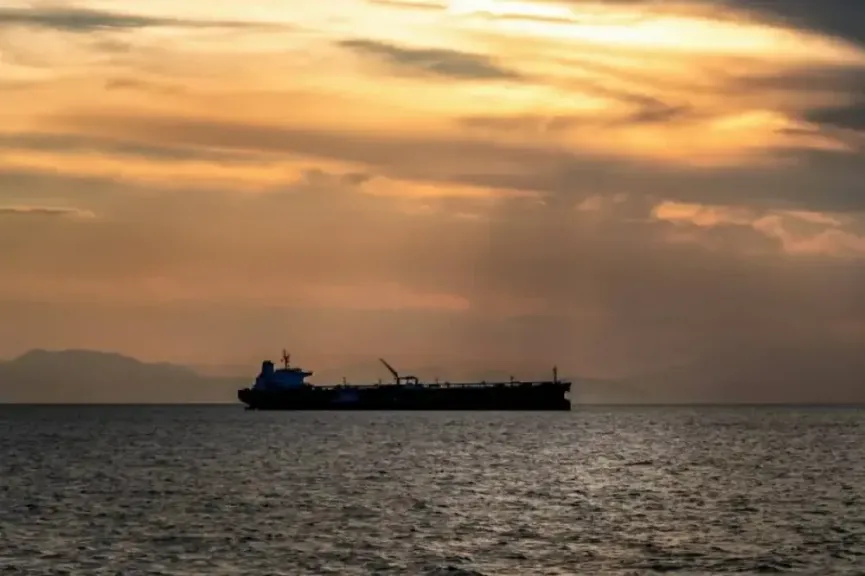
Iraq is planning to increase its crude oil exports through pipelines directed toward Turkey and Syria to surpass 1 million barrels per day (bpd). This ambitious initiative is part of a broader national strategy to ramp up total export capacity and diversify the country's crude export outlets.
According to the Iraqi News Agency (INA), Iraqi oil official Bassem Mohammed Khudhair stated that Baghdad has laid out a comprehensive future plan to boost pipeline export capacity via the Turkish port of Ceyhan and a designated maritime route through Syria. Khudhair noted that Iraq currently exports approximately 3 million bpd, emphasizing the government's strategic drive to enhance its capability to deliver crude to global markets through alternative, reliable corridors.
New Strategic Routes: From Basra to the Mediterranean
To realize this vision, Iraq is actively developing a massive pipeline network connecting its prolific southern oil fields and ports to its northern regions. This system will stretch up to Fishkhabour near the Turkish border, ultimately flowing into the Ceyhan port on the Mediterranean Sea.
Furthermore, the expansion plan includes establishing a crucial branch line from the Haditha area in western Iraq. This pipeline will transport oil directly to the Syrian port of Baniyas, also located on the Mediterranean, providing Baghdad with a vital additional export terminal far removed from its traditional southern maritime ports.
The Basra-Haditha Megaproject
Work has already commenced on the foundational Basra-Haditha pipeline. Stretching approximately 700 kilometers, the pipeline boasts a design capacity of 2.5 million bpd. The Iraqi government has allocated roughly $1.5 billion for the project's current developmental phase.
Once operational, the Basra-Haditha artery will serve as the backbone for multiple strategic export routes—feeding lines to Syria, Turkey, and Jordan—while simultaneously ensuring a steady supply of crude to Iraq's domestic refineries.
related topics
 China’s Oil Demand Projected to Fall 8.9% in 2026 for Third Consecutive...
 Oil Prices Climb as US-Iran Clashes in Strait of Hormuz Threaten Global...
 U.S. Gas Prices Set to Surpass $4 a Gallon Over Labor Day...
 KEPCO Proposes $18B Advance Electricity Payment from Samsung and SK Hynix to...
 US Energy Secretary Chris Wright Eyes Doubling Venezuelan Crude Output via New...
 Global Bond Yields Surge as Oil Price Spikes and Rate Hike Fears...
 Venezuelan Oil Eyed for US SPR Refill as Production Slowly Recovers Toward...
 Trump Announces Unprecedented Move to Secure 65 Billion Barrels of Venezuelan Oil...
 Oil Prices Drop Over 2% as Iran-Oman Talks Spark Hopes for Easing...
 Oil Prices Steady as Markets Weigh New U.S. Sanctions on Iran Against...
 Shrinking Iranian Oil Supply for China Highlights Effectiveness of U.S. Blockade
 Egypt Approves 'Fujairah Alamein for Oil and Gas' Special Free Zone in...