


Finance Minister: New Standardized Government Contracts System to Prioritize Egyptian Products and SMEs
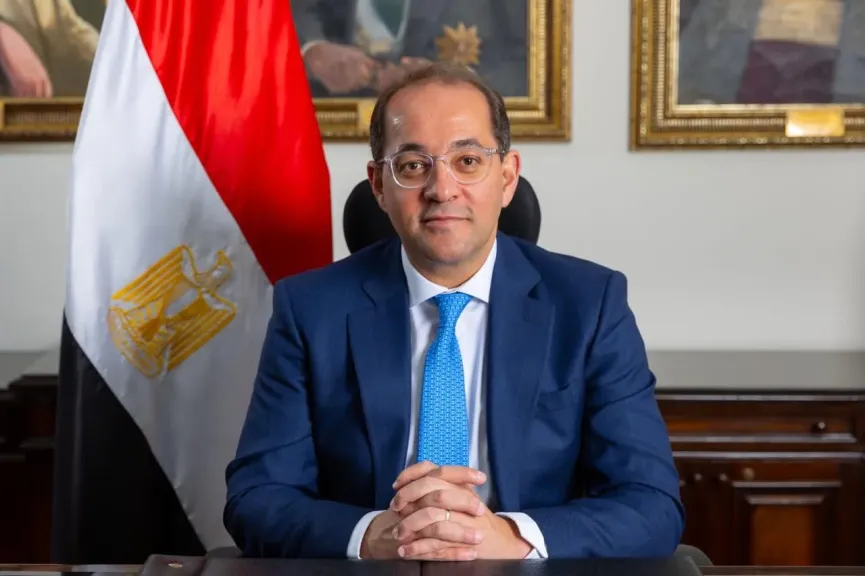
Minister of Finance Ahmed Kouchouk confirmed the completion of all standardized documents, including contracts, terms of reference, and technical specifications, which will now be mandatorily applied across all public sector procurement and contracting. He highlighted that the new standardized system explicitly prioritizes Egyptian industrial products as well as small and medium-sized enterprises (SMEs).
The Minister added that unifying government tender documents elevates the efficiency of public spending, fosters market competition, and ensures equal opportunities. He described this move as one of the most critical tools for overhauling the government procurement system. Kouchouk explained that standardizing essential and legal clauses significantly improves the quality of government tenders, minimizes auditing errors, and eliminates discrepancies among different tender documents.
Furthermore, the Minister stated that these standardized documents guarantee full transparency and prevent monopolistic practices in government tenders. They provide clear requirements for all competitors and limit potential disputes by explicitly outlining the rights and obligations of both the state and the private sector.
On his part, Mohamed Adel, Head of the General Authority for Government Services (GAGS), clarified that completing this standardized documentation framework represents a qualitative leap in government contract management. He noted that upgrading contracting documents in line with best practices strongly reinforces the good governance of public funds.
Adel added that the system directly contributes to accelerating the bidding and awarding procedures, thereby saving significant time and effort. It also supports oversight and inspection protocols by making it easier to audit contracting operations against a unified standard, ultimately improving legal compliance indicators.
He concluded by pointing out that the new system aids in building institutional capacity in public procurement. It assists government entities that lack specialized expertise in drafting tender documents, unifies practices across various state departments, and reduces reliance on individual interpretations.
related topics
 Vodafone Business and Banque Misr Partner to Empower Egypt's SMEs Through Integrated...
 National Bank of Egypt Secures €54 Million from French Development Agency to...
 MSMEDA Propels Egyptian SMEs onto the Global Stage with 13 International Exhibitions...
 SMEs Summit: AI Empowers Small Businesses to Outpace Corporate Giants Through Unmatched...
 Business Bil Arabi Unveils Landmark Report at SMEs Summit: Micro-Enterprises Make Up...
 Finance Minister Ahmed Kouchouk Unveils Startup Incentives at Startup Egypt, Announces First...
 Finance Minister Ahmed Kouchouk Inaugurates Upgraded Government Electronic Certification Authority (ECA) Data...
 ETA Head Rasha Abdel-Aal: Proposed VAT Amendments to Slash Credit Balance Refund...
 Egypt Finance Minister Hails Sustained Growth in Swiss Investments; Former Minister Youssef...
 MENAFATF Concludes 42nd Plenary in Rabat with Major Gains in Regional AML/CFT...
 eAswaaq Misr and The United Bank Forge Strategic Alliance to Accelerate Digital...
 U.S. Judge Halts Musk-SEC Settlement, Demanding Transparency on ”Fairness” of Disclosure Deal