


Egypt Telecom Chief Proposes Separating SIM Sales From Activation to Curb Identity Fraud
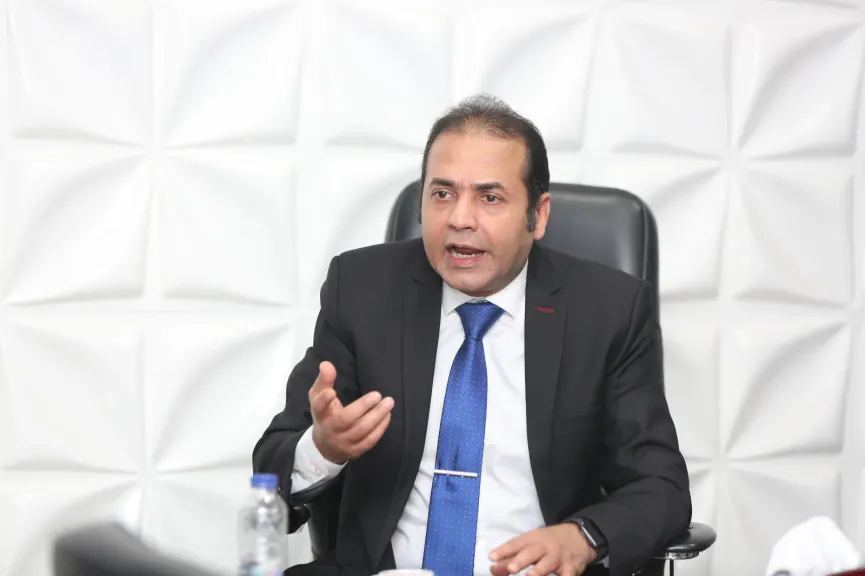
Egypt should separate the sale of mobile SIM cards from their activation and make digital identity and biometric verification central to the process, according to Ehab Said, Head of the Telecommunications and Electronic Payments Division at the Federation of Egyptian Chambers of Commerce.
Said said tightening Egypt’s SIM registration system requires moving beyond conventional identity checks based mainly on presenting a national ID card at the point of sale. Instead, he proposed a technology-driven framework in which a line cannot become operational until the identity of its actual user has been independently verified.
His proposals come amid heightened scrutiny of SIM registration practices in Egypt following complaints from citizens who discovered mobile lines registered under their personal information without their knowledge.
Under the model proposed by Said, retail outlets would still be able to sell SIM cards, but responsibility for verifying customer information and activating the line would ultimately rest with the mobile operator under rules established by the National Telecommunications Regulatory Authority (NTRA).
Sell the SIM First, Activate Only After Verification
Said argued that separating the commercial sale of a SIM from the regulatory process required to activate it could close one of the main gaps in the current system.
Retailers would essentially handle distribution, while activation would only take place after the customer passes a series of identity checks.
Such a model, he said, could also reduce risks associated with sales targets and commission structures that encourage outlets to maximize the number of SIM cards sold.
He called for a review of incentives linked to SIM sales, arguing that subscriber growth should never come at the expense of data security or accurate customer registration.
Digital ID and Facial Biometrics
Biometric authentication could provide another layer of protection.
Said proposed using digital identity and facial verification, alongside official records, to establish a stronger link between the individual requesting activation and the identity under which the mobile number is being registered.
The national ID number could serve as the backbone of this process, enabling relevant information to be matched electronically with government databases without exposing sensitive records directly to customer-service employees.
This approach could make it considerably harder for someone to activate a SIM using another citizen’s identity, even if they have access to a copy or photograph of that person’s national ID card.
Government Databases Could Strengthen Verification
Said also proposed expanding secure integration between telecom activation systems and official databases.
Civil registry records could form a primary source for authentication, while other government-held information — potentially including traffic records and utility data such as electricity, gas and water accounts — could provide additional verification layers where legally permitted.
He stressed that such integration should not give telecom companies or their employees unrestricted access to citizens’ personal information.
Instead, specific pieces of information could be used solely to confirm identity through automated matching, subject to privacy and data-protection requirements.
Additional authentication could, for example, rely on information associated with assets or official records that would be difficult for an impersonator to know, while the underlying sensitive information remains hidden from service employees.
My NTRA Could Become a Wider Consumer Protection Tool
Said also highlighted NTRA’s My NTRA application as an important tool for allowing citizens to identify mobile numbers registered under their national IDs.
He called for wider public awareness of the service and encouraged users to periodically review the lines associated with their identities so that unauthorized registrations can be detected and corrected quickly.
However, he argued that digital verification should not exclude people who do not own smartphones or struggle to use mobile applications.
Mobile operators and service centers, he suggested, could provide alternative ways for those customers to check their information, provided strict safeguards prevent their personal data from being disclosed to anyone else.
A Unified Database Could Go Beyond Mobile Lines
Said believes the SIM registration issue should ultimately form part of a broader overhaul of data governance.
Rather than limiting verification tools to mobile numbers, he proposed developing a secure framework through which citizens could identify key records or registrations associated with their national IDs.
Such a system could potentially help users detect unauthorized records or assets created in their names, providing an additional defense against identity theft and the creation of fraudulent entities.
Any integration between databases, he stressed, would have to operate under strict security, encryption and privacy standards, revealing only the information required by the citizen rather than exposing underlying sensitive records.
Technology Alone Will Not Solve the Problem
While stronger digital authentication could close technical loopholes, Said warned that technology needs to be accompanied by tougher oversight.
He called for clear accountability mechanisms covering both mobile operators and sales outlets, alongside effective penalties for violations of SIM registration and activation rules.
Responsibility for protecting subscriber information, he said, extends across the ecosystem — from operators and distributors to customers themselves.
Consumer awareness remains another critical layer of protection. Said urged users to regularly check which mobile numbers are registered under their identities and immediately report unfamiliar lines.
He also warned consumers never to share personal information or one-time passwords (OTPs) with other people, regardless of who claims to be requesting them.
With mobile numbers now closely connected to banking, electronic wallets and government services, Said argued that ensuring every active SIM can be reliably traced to its genuine user is no longer simply a telecom registration issue.
It has become a critical part of protecting Egypt’s wider digital economy from identity theft, electronic fraud and the misuse of mobile lines.