


Google Pay Unveils Major Upgrades to Spearhead AI-Driven ”Agentic Commerce” Era
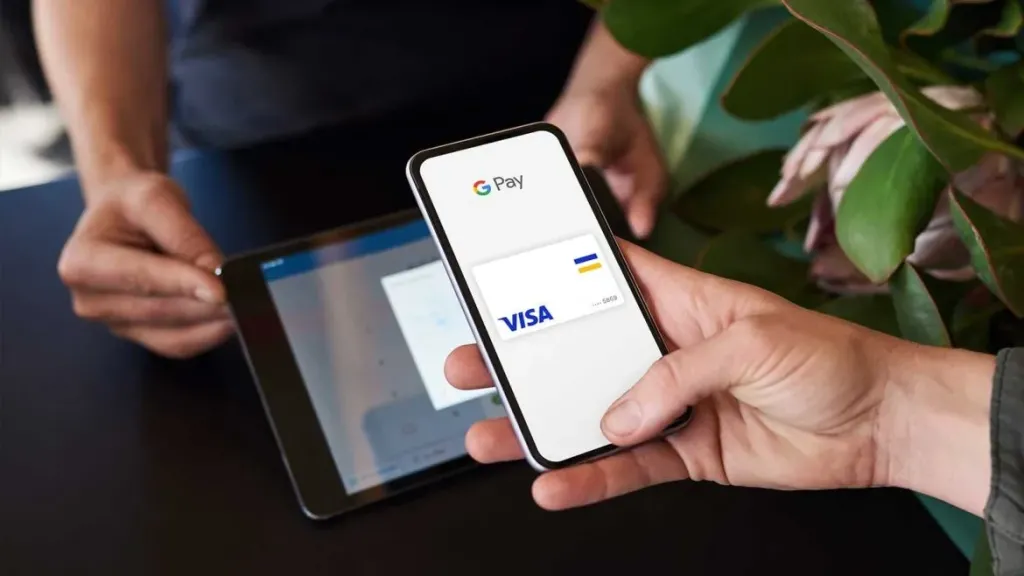
Google Pay has announced a wide range of new updates aimed at reshaping the future of digital payments. By integrating artificial intelligence into purchasing processes and streamlining the checkout experience across various devices and platforms, the tech giant is paving the way for what it terms the era of "Agentic Commerce."
Infrastructure Upgrades and AI Protocols The updates include developing the core infrastructure of the Google Pay and Google Wallet platforms, allowing merchants and developers to leverage existing payment systems without rebuilding their technical architecture. This comes alongside supporting new AI-driven integrations to accelerate purchases and optimize user experience.
Google is enabling AI systems to participate more effectively in commerce workflows through a new protocol named the "Universal Commerce Protocol." This framework allows smart purchases to be executed based on user preferences and behaviors. Additionally, the company launched an MCP developer server that integrates AI tools into programming environments, helping developers manage integrations, analyze errors, and accelerate the development of payment solutions.
Streamlined Checkout and Cross-Device Security Furthermore, the company expanded payment capabilities on the Android operating system, adding features that allow instant checkouts without leaving the product or cart page. It also provides dynamic updates for shipping options and final costs during the checkout process, reducing purchasing steps and improving conversion rates.
To widen its usage scope, Google Pay now supports in-app purchases within social applications through new integrations covering Android apps and WebView environments. This expansion extends across the web and desktop computers, allowing a more seamless checkout experience within applications without redirecting users to external platforms.
Google also introduced new tools giving merchants clearer visibility into transaction costs by identifying the card type used—whether credit, debit, or prepaid—helping them apply more accurate pricing or discount policies. Additionally, the platform added support for local payment networks in certain markets, such as Australia, to improve transaction processing efficiency and cut costs.
For recurring payments and subscriptions, the updates introduced an automated mechanism to send notifications when data changes on cards linked to payments, minimizing renewal failures and ensuring uninterrupted service continuity. Finally, the company introduced a multi-device authentication feature, allowing users to complete purchases on desktops while confirming the transaction via mobile phones using biometric verification like facial recognition or passwords. This step aims to bolster security and reduce reliance on traditional verification codes. With these updates, Google Pay is moving toward a new phase in developing the digital payments ecosystem, where AI integrates with e-commerce to deliver a faster, safer, and more seamless payment experience across all digital channels.
related topics
 Prince Alwaleed bin Talal’s Bet on Elon Musk Nears Multi-Billion-Dollar Upside Through...
 SDR 2026 Summit Stabilizes Venture Pipeline; Entlaq and Orascom Structure Regional LP...
 Tap Payments Secures Strategic Partnership with Shory to Streamline Insurance Checkout Flows...
 Uber Pivots Globally Toward Autonomous Mobility Ecosystem, Banking on Multi-Vendor Robotaxi Partnerships
 Adapt or Perish: Why Traditional Trading Strategies are Failing in the 2026...
 Japan Executes Massive $34.5 Billion Intervention to Rescue Yen from Multi-Year Lows
 Visa Unveils ‘Intelligent Commerce Connect’: A Global On-Ramp for AI-Driven Agentic Payments
 rimmit Unveils Multi-Currency Strategy and Digital Expansion to Accelerate Financial Inclusion in...
 Meta and Broadcom Forge Multi-Generation Partnership to Power ”Super-Personal Intelligence” via Custom...
 Egypt’s NTRA and Customs Authority Launch Installment Services for Imported Mobile Fees...
 Microsoft Pivots Copilot to Multi-Model Strategy to Counter Anthropic and Revive Consumer...
 Nothing Challenges Meta’s Wearable Dominance with AI Smart Glasses Slated for 2027...