


Middle East Tensions Drive Surge in Egypt’s Gas Import Bill, Bloomberg Economist Warns
Ziad Daoud, Chief Emerging Markets Economist at Bloomberg Economics, said recent developments in the Middle East—particularly the ongoing conflict involving Iran—have triggered direct economic repercussions across regional energy markets, with Egypt facing a sharp spike in gas import costs.
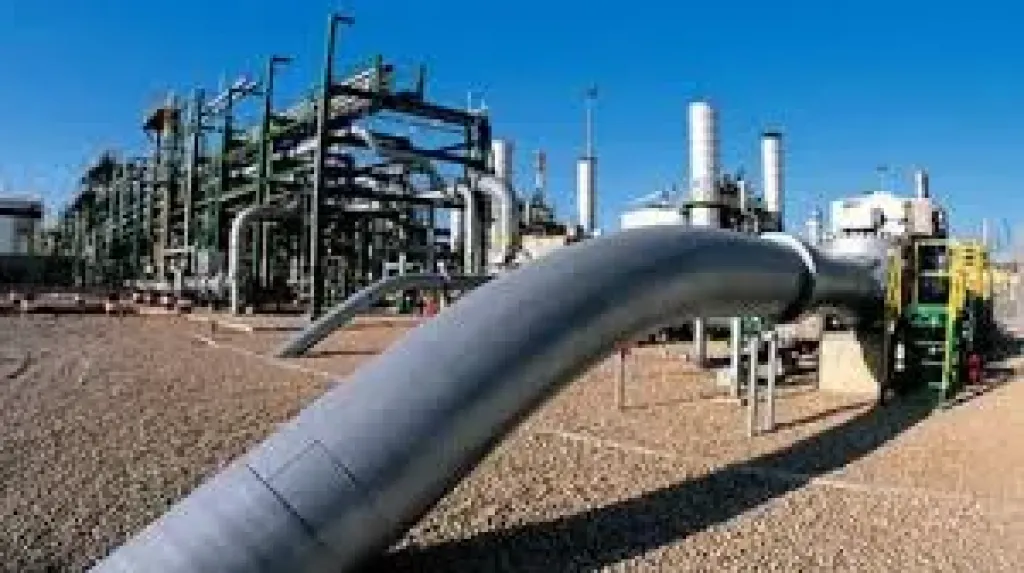
According to Daoud, Egypt’s monthly gas import bill has nearly tripled, rising from $560 million to approximately $1.65 billion—an unprecedented level that is forcing policymakers to reassess strategies for meeting domestic energy demand.
In a post on platform X, Daoud noted that the Egyptian government has already begun implementing urgent electricity-saving measures. These include reducing mall operating hours, requiring closures at 9:00 p.m. on weekdays and 10:00 p.m. on weekends—earlier than typical local norms.
Authorities are also studying the possibility of introducing remote work for one to two days per week across both public and private sectors, in a bid to curb energy consumption. These measures aim to ease pressure on the power grid while addressing the rising cost of energy imports.
On the supply side, Daoud highlighted disruptions in regional oil flows, noting that Saudi crude shipments from the Red Sea port of Yanbu have slightly declined over the past two days following a record surge. This comes amid what he described as the effective closure of the Strait of Hormuz by Iran.
Average shipments over five days stood at around 3.6 million barrels per day as of Thursday, down from a previous peak of 4.19 million barrels per day—reflecting ongoing volatility in crude oil flows driven by geopolitical tensions.
Daoud concluded that these developments point to heightened instability in energy markets, with Egypt grappling with rising costs while regional oil supplies face continued disruption. He stressed the growing urgency for balanced policies to manage both demand and supply in order to maintain stability in local and regional markets.
related topics
 India Raises Cooking Gas Cylinder Prices by 7% Amid Global Energy Disruptions
 Global Energy Markets Shaken as “Operation Epic Fury” Triggers Oil and Gas...
 Trump’s New Tariffs on Countries Trading with Iran Could Reshape Regional Trade
 OpenAI and SoftBank Invest $1 Billion in SB Energy to Boost AI...