


Uber Signals Long-Term Shift Toward Robotaxis as Autonomous Vehicles Eye Majority of Platform Rides

Uber Technologies is positioning itself for a profound transformation in its business model, with expectations that autonomous vehicles could execute the majority of trips on its platform within the next 15 to 20 years. The move reflects the company’s growing commitment to self-driving technologies as a core pillar of its long-term strategy.
Chief Executive Officer Dara Khosrowshahi stated that widespread reliance on robotaxis is likely over the coming two decades, provided technological progress continues and regulatory frameworks evolve accordingly. He noted that the shift will depend on advancements in artificial intelligence, sensor systems, and fully autonomous vehicle design, alongside the modernization of traffic laws and the development of supportive infrastructure.
To accelerate progress, Uber has established a specialized global unit dedicated to coordinating its autonomous vehicle initiatives and partnerships. This comes amid intensifying competition in the U.S. market, where major technology and electric vehicle companies are racing to dominate the robotaxi segment.
The competitive landscape is led by Alphabet Inc., whose subsidiary Waymo continues expanding its driverless services across several American cities. Meanwhile, Tesla Inc. is scaling investments in full self-driving capabilities with the aim of deploying a large autonomous fleet. Zoox is also advancing its own purpose-built robotaxi solutions.
Although projections indicate strong growth potential for the autonomous vehicle sector, analysts expect it to represent only a modest share of the overall ride-hailing market by the end of the decade. This suggests that a full transition away from human drivers will require sustained technological, regulatory, and consumer readiness.
The evolution toward robotaxis could significantly reshape cost structures and operational models in the mobility sector. However, the ultimate pace of transformation will hinge on innovation speed, legal clarity, and user trust in fully autonomous systems.
related topics
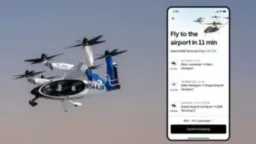 Uber and Joby Aviation to Launch eVTOL Passenger Test Flights
 Tesla Records Zero Autonomous Test Miles in California for Sixth Consecutive Year
 inDrive Turns Rides and Ramadan Song Views into Donations to Provide 5,000...
 US Federal Court Upholds $243 Million Verdict Against Tesla Over Fatal Autopilot...
 Banque Misr Launches Ramadan 2026 Campaign, Tops X (Twitter) and Anghami Charts...
 Careem and Hala Launch Ramadan “Tip Matching” Feature to Boost Drivers’ Earnings
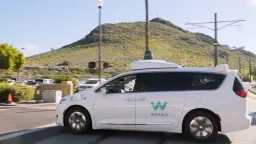 Geely Partners with Waymo to Launch Autonomous Robotaxi Service in the U.S.
 InDrive Launches Ramadan Contest for Drivers Offering Gold Coins and Eid Clothing...
 Egyptian Exchange Embarks on Comprehensive Tech Upgrade with AI and Digital Tools
 Gatik Becomes First North American Company to Operate Fully Autonomous Trucks at...
 Egypt’s Ministry of Manpower and Talabat Egypt Launch Protective Gear Distribution for...
 inDrive Launches inDrive Ads in Egypt to Diversify Revenue and Support Sustainable...