


Car Maintenance Schedule: Oils, Belts and Consumables That Help Protect Resale Value
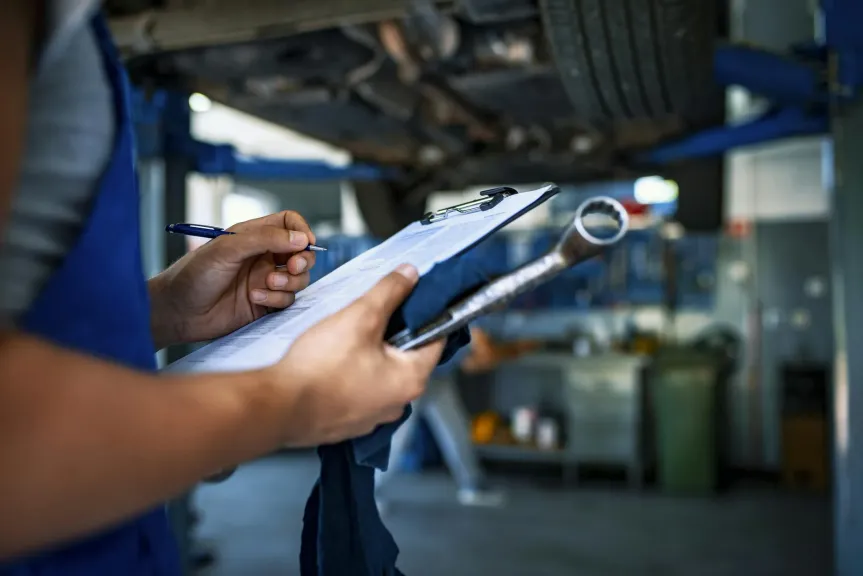
Regular car maintenance is not only essential for engine performance and reliability; it can also play an important role in protecting a vehicle's resale value. Used-car buyers typically look beyond model year and mileage, paying close attention to mechanical condition, maintenance history and evidence that the owner has replaced oils, belts and other consumable parts on schedule. Industry maintenance guides consistently stress that the exact service intervals depend on the manufacturer and the specific vehicle.
Oil Changes Come First
Engine oil and the oil filter are among the most important routine maintenance items. General guidelines often place replacement intervals for modern oils between 10,000 and 15,000 kilometres, although the correct interval depends on the engine, oil specification and driving conditions.
Heavy traffic, frequent short trips and dusty environments can all affect maintenance needs. Keeping records of the service date, mileage and oil type can also provide useful evidence of proper care when the vehicle is eventually offered for sale.
Belts Require Close Attention
Accessory belts should be inspected regularly for cracks and wear, while the timing belt is particularly important in vehicles equipped with one. Typical replacement intervals can range from 60,000 to 120,000 kilometres, depending on the manufacturer and engine design. Failure to replace a timing belt on schedule can lead to serious engine damage in some vehicles.
A documented timing-belt replacement can be especially valuable in the used-car market, where buyers often want confirmation that this major maintenance item has already been completed.
Consumables Matter Too
Air, cabin and fuel filters, brake pads, tyres, spark plugs, brake fluid, coolant and batteries all require regular inspection or replacement. Their service life varies according to driving habits, environmental conditions and vehicle specifications.
Tyre pressure and tread condition should also be checked regularly, while tyre rotation can help reduce uneven wear. Preventive maintenance can limit unexpected repair costs and help preserve the vehicle's overall condition.
Maintenance Records Build Buyer Confidence
One of the most effective ways to protect resale value is to maintain a complete service history. Owners should keep invoices and records showing the date, mileage and nature of each service or repair.
A higher-mileage vehicle with a clear and consistent maintenance record may be more appealing to a buyer than a lower-mileage car with no documented service history. The most important rule is to follow the maintenance schedule in the owner's manual and preserve the records. Regular maintenance protects not only the car's mechanical condition, but also its credibility when it is time to sell.