


Electric Cars in Egypt 2026: A Complete Guide to Buying, Charging, Maintenance and Savings vs. Petrol
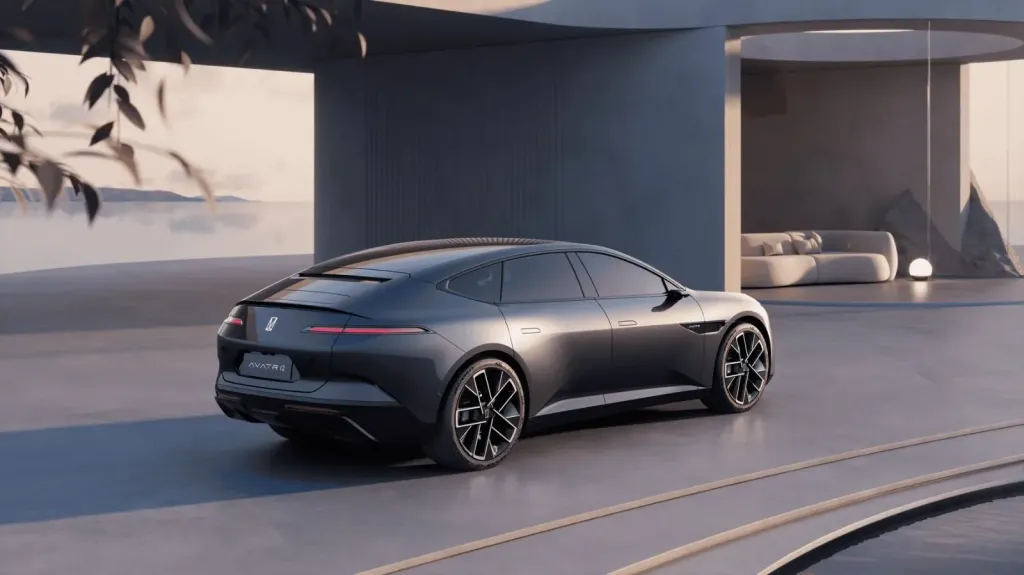
Buying an electric vehicle (EV) in Egypt is increasingly becoming an economic and technological decision rather than simply an alternative to conventional petrol-powered cars. Buyers must consider purchase prices, charging infrastructure, electricity tariffs, battery warranties and maintenance services. With more electric models entering the Egyptian market and charging networks expanding in 2026, understanding the actual cost of ownership has become essential before making a purchase.
Electric Car Models Available in Egypt
Egypt's electric vehicle market includes several international brands, including BYD, Chevrolet and Deepal, offering models across different vehicle categories and price segments. Among the models officially introduced to the Egyptian market are the BYD Dolphin Surf, with a claimed WLTP driving range of up to 300 kilometres, and the BYD Sealion 6 EV, with a range of up to 420 kilometres. Chevrolet also offers the Spark EUV, while Deepal markets its S05 and S07 electric models.
However, advertised driving ranges should not be treated as guaranteed real-world performance. Actual range depends on driving speed, air-conditioning use, temperature, road conditions and vehicle load. Prices also vary according to specifications, equipment, exchange rates and dealer policies. Buyers should therefore obtain updated quotations from authorised dealers before making purchasing decisions.
How to Choose the Right Electric Vehicle
The first step is to assess daily driving distances and determine whether the vehicle will mainly be used for urban commuting or longer journeys. Buyers should compare battery capacity, realistic driving range, charging speed and compatibility with available charging stations.
Checking the charging connector is particularly important when purchasing imported vehicles, as specifications may differ between Chinese and European markets. Buyers should also examine the availability of authorised maintenance centres, spare parts and technical support.
Battery warranties deserve particular attention. For example, BYD's published warranty policy covers the power battery for eight years or 200,000 kilometres, whichever comes first. Chevrolet advertises an eight-year or 160,000-kilometre battery warranty for the Spark EUV. Such differences underline the importance of reviewing the specific warranty document before signing a purchase agreement.
Electric Vehicle Charging in Egypt
Home charging is generally the most convenient option for owners with dedicated parking spaces and suitable electrical installations. Egypt's Electricity Utility and Consumer Protection Regulatory Agency has clarified that home EV charging is billed under existing residential electricity tariffs, without a separate commercial charging rate. Consumers can also install a dedicated electricity meter for charging.
Public charging stations offer two main options: alternating current (AC) slow charging and direct current (DC) fast charging. According to the regulator's published tariffs, slow charging costs EGP 2.813 per kilowatt-hour at medium-voltage-connected stations, while fast charging costs EGP 5.342. At low-voltage-connected stations, the respective rates rise to EGP 3.393 and EGP 6.552 per kilowatt-hour.
Egypt's charging market includes operators such as Infinity EV, Elsewedy Plug, TAQA Volt and Sha7en. In April 2026, Infinity announced that its network had expanded to more than 250 stations and over 850 charging points across 18 governorates, according to company data. Nevertheless, drivers should check charger availability, connector compatibility and operating status before travelling to a station.
Running Costs: Electric Cars vs. Petrol Vehicles
A practical comparison illustrates the potential savings. Consider an electric vehicle consuming 18 kilowatt-hours per 100 kilometres and a petrol car consuming eight litres over the same distance. With 95-octane petrol priced at EGP 24 per litre in October 2026, the conventional vehicle's fuel cost reaches approximately EGP 192 per 100 kilometres.
By comparison, charging the electric vehicle at public slow-charging stations costs approximately EGP 50.63–61.07 per 100 kilometres, depending on the station's grid connection voltage. Fast charging increases the cost to approximately EGP 96.16–117.94. Home charging is calculated using the applicable residential electricity tariff.
These figures illustrate the potential operating-cost advantage of electric vehicles. However, actual savings depend on the vehicle's energy consumption, charging location and driving conditions.
Maintenance and Battery Life
Electric vehicles generally have fewer moving mechanical components than conventional petrol cars. They do not require engine oil changes, spark plug replacements or conventional exhaust-system maintenance.
However, EV owners must still maintain tyres, brakes, suspension systems, cooling circuits, high-voltage components and auxiliary batteries. Battery condition is particularly important when purchasing a used electric vehicle.
Buyers should request a professional battery health assessment, review the vehicle's charging and maintenance history, and check the remaining battery warranty. Following manufacturer recommendations for charging and thermal management can also help preserve battery performance.
Government Incentives and Market Outlook
Egypt's government is pursuing electric vehicle manufacturing localisation through its National Automotive Industry Development Programme. The programme includes incentives for manufacturers and a consumer incentive of up to EGP 50,000 for qualifying locally manufactured electric vehicles, subject to the applicable programme conditions.
In April 2026, the government reviewed further developments in the programme, including investment attraction, local production and the development of domestic automotive supply chains. These measures form part of broader efforts to strengthen Egypt's automotive manufacturing base and support the transition towards cleaner transportation.
Ultimately, purchasing an electric vehicle in Egypt requires comparing the initial purchase price with charging expenses, maintenance requirements, warranty coverage and potential resale value. The financial case is generally stronger for drivers who cover regular daily distances, have access to home charging and can rely on authorised maintenance services and compatible public charging infrastructure.
related topics
 Mercedes-Benz Egypt Launches its All-Electric GLC in the Egyptian Market Priced at...
 Chevrolet Tightens Its Grip on the Egyptian Auto Market with 24,000 Vehicles...
 Chevrolet Expands Egyptian Footprint with New Showroom on Cairo Ring Road«»
 General Motors Egypt Begins Final Testing for Locally Assembled Chevrolet Groove Ahead...
 5 Brand New Electric Cars in Egypt Priced Under EGP 1 Million:...
 In preparation for the official launch.. BYD Egypt - ManDream introduces the...