


Egypt Mortgage Finance Initiatives: Eligibility Requirements, Interest Rates and Required Documents
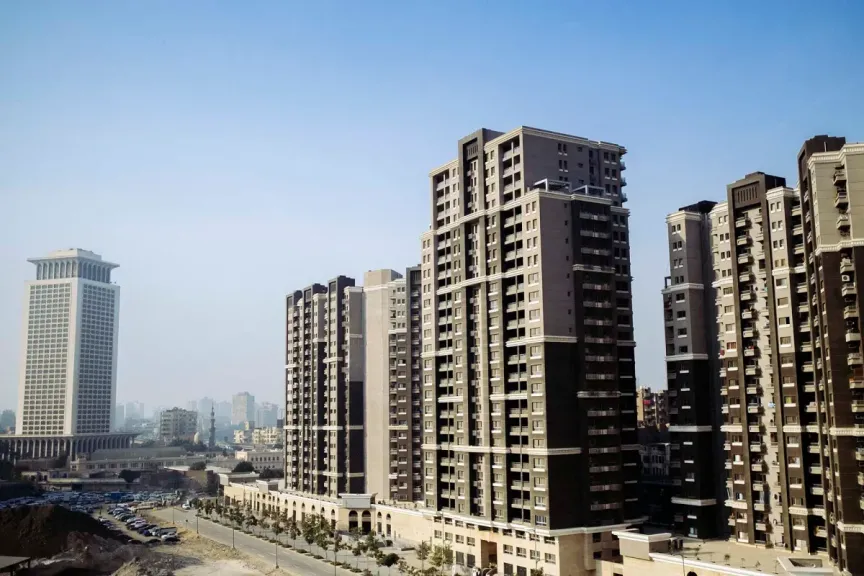
Mortgage financing remains an important option for Egyptians seeking to purchase residential property through installments, particularly low- and middle-income households eligible for subsidized financing initiatives. Eligibility requirements, interest rates, down payments and required documents vary depending on the specific program, the applicant’s income and the date of application.
In October 2025, Egypt’s Central Bank announced changes to mortgage finance interest rates for new loans under the relevant initiatives. The revised rates included 8% on a declining-balance basis for the initiative targeting low- and middle-income applicants, and 12% on a declining-balance basis under the middle-income mortgage initiative. However, applicants who had previously applied under the first three “Housing for All Egyptians” announcements retained the earlier rates of 3% and 8%, respectively, in accordance with a Cabinet decision.
Eligibility Requirements
Applicants generally must be Egyptian citizens and meet the age and income limits applicable to their chosen initiative. Lenders also assess income documentation, existing financial obligations and the applicant’s ability to meet monthly repayments. Specific requirements depend on the program and the applicable housing announcement.
The property must generally be fully constructed, connected to utilities and ready for residential use. Legal ownership and registration requirements must also be satisfied. Maximum property prices, minimum down payments and financing limits vary between initiatives and participating banks. Applicants should therefore confirm the current terms directly with the relevant lender or the Social Housing and Mortgage Finance Fund before applying.
Required Documents
The standard documentation typically includes a valid national ID card for the applicant and, where applicable, their spouse, as well as an official certificate confirming monthly or annual net income. For salaried employees, the income certificate generally needs to be issued and certified by the employer, with details of salary and applicable allowances or incentives.
Self-employed applicants and business owners may be asked to provide additional evidence of income and business activity, including commercial registration documents, tax records and bank statements. Banks may also request a recent utility bill confirming the applicant’s current address.
For social housing applications, the required documents may include the signed application form and declaration, valid national ID copies, and income certificates for the applicant and working spouse. Additional documents depend on the specific announcement and its published terms.
How to Apply
Applicants should first identify the initiative for which they qualify and review its current terms. They must then prepare the required documents and submit their applications through the designated channel. Under social housing programs, the Social Housing and Mortgage Finance Fund reviews applications and refers eligible applicants to participating financing institutions in accordance with the applicable procedures.
Submitting the required documents does not guarantee final approval. Applications remain subject to credit assessment, property valuation and verification of repayment capacity. Before signing a financing agreement, applicants should confirm the applicable interest rate, repayment period, down payment and monthly installment with the financing institution.
related topics
 Egypt Unveils Major Public-Private Partnership to Deliver 20,000 Affordable Homes Under Presidential...
 Gold Prices Today, Tuesday, October 27, 2026, in Egypt Following Yesterday's Gains
 Amanleek and ZenHR Move Employee Health Insurance Into the HR Workflow
 Egypt Doubles Basic Fixed-Internet Data Allowance to 100GB Without Raising Price
 Online Mortgage Calculators in Egypt: How to Estimate Eligibility and Monthly Payments
 Money Fellows Manages EGP 150 Billion in Savings Circles as It Eyes...
 AWS GITEX 2026: AWS Builds the Cloud Infrastructure for Autonomous AI Agents
 GITEX 2026: NEXCOM Builds the Systems That Let AI Robots Move Safely
 GITEX 2026: Midis Group Bridges the Gap Between AI Technology and Real-World...
 GITEX 2026: Netris Wants to Turn Massive GPU Clusters Into AI Clouds
 GITEX 2026: Telnyx Brings AI Voice Agents to the Middle East
 Microsoft Is Preparing for a Workplace With Thousands of AI Agents