Google Expands Android Security With Gemini Scam Detection and Privacy Tools
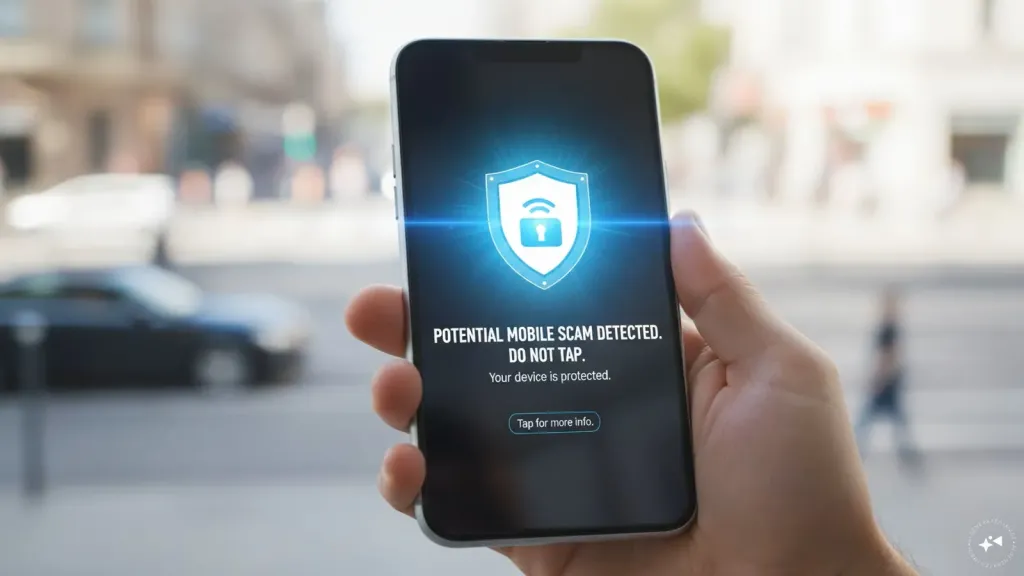
Google has announced a new set of Android security and privacy features designed to combat scams, protect sensitive information during screen sharing and prevent unauthorized call forwarding. The updates also include technology to verify the identity of suspected bank impersonation calls.
The company plans to introduce an optional scam detection setting in Google Messages, using advanced Gemini models to analyze messages and identify suspicious interactions that may be designed to trick users into revealing personal information.
Google said scammers can begin with seemingly ordinary conversations before attempting to obtain sensitive details. One example involves a sender claiming to have a photo of the recipient with their dog, then asking for the recipient’s name after pretending to have messaged the wrong number.
Message analysis takes place within Private AI Compute, which Google says provides secure, encrypted data processing without allowing other parties, including Google itself, to access the information.
Supported devices will also use Gemini Nano to analyze links in messages and assess their safety before users open them. Eligible devices include the Google Pixel 10 series and newer models, the Samsung Galaxy S26 series, and the Galaxy Z Flip and Galaxy Z Fold 8.
Google has redesigned scam warnings to make potential risks clearer and give users more time before opening links from numbers not saved in their contacts. The optional protection setting is expected to begin rolling out in the coming weeks.
Scam alerts to reach more Android devices
Google is expanding scam detection in conversation notifications beyond Pixel phones to additional Android devices. The feature displays warnings about suspicious messages directly in notifications, helping users identify potential scams before opening a message.
The company is working with Honor, Motorola, Oppo, OnePlus, Realme, Vivo and Xiaomi to bring the feature to more devices in late 2026.
Screen-sharing privacy and call-forwarding protection
Another update will automatically hide passwords, banking information and credit card security codes when users share their screens while viewing Chrome or Android WebView applications.
The protection is scheduled to reach all devices running Android 15 or later in late October.
In early December, Google plans to introduce a feature for Pixel phones and selected other devices that blocks apps from secretly enabling call forwarding. It will also warn users when scammers try to persuade them to enter MMI codes, numerical sequences used to activate certain phone services.
Android adds checks for suspected bank impersonation calls
Google is also working with banks in Brazil to verify calls suspected of impersonating financial institutions. Android checks whether a call genuinely originates from the relevant bank. If verification fails, the system ends the call and alerts the user.
Google said the feature has blocked more than 3 million spoofed calls since its launch in June 2026. The company has not announced when the service will expand to other countries, but said it plans to work with additional banks in the fu