


Huawei Unveils Grid-Interactive AI Data Center Solution to Maximize ”Tokens Per Watt” at Huawei Connect 2026
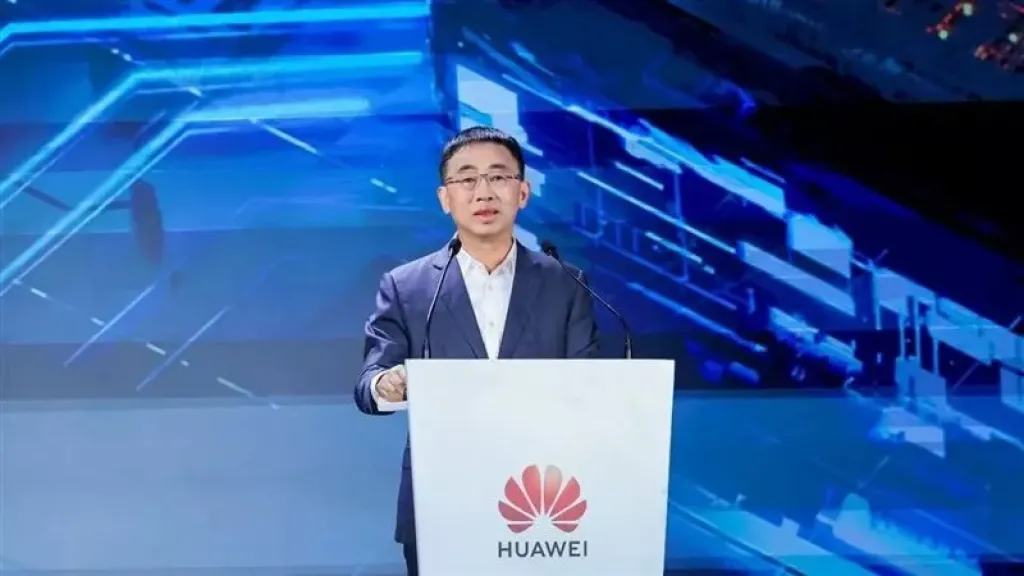
During the Huawei Connect 2026 conference in Shanghai, Huawei unveiled its first grid-interactive AI data center solution. Designed to address the unprecedented energy demands and high-frequency power fluctuations generated by large-scale artificial intelligence workloads, the new infrastructure model aims to fundamentally shift how computing facilities interact with electrical grids.
The primary strategic objective of the new architecture is to maximize the number of AI tokens produced per watt of energy consumed, establishing a new metric for computing competitiveness while minimizing the cost per token.
The "3+1" Architectural Ecosystem
Bob He, Vice President of Huawei Digital Power, outlined that the solution is built on a "3+1" systemic framework—combining high reliability, energy efficiency, and rapid delivery with seamless grid compatibility. This integration bridges computing and energy infrastructure, which were historically managed as separate ecosystems.
Infrastructure PillarTechnical Implementation & Strategic Value
Grid-Interactive Power SupplyUtilizes a multi-input/multi-output architecture alongside grid-compatible Uninterruptible Power Supplies (UPS), smart lithium batteries, and grid-forming energy storage. This hybrid, multi-layer system absorbs rapid AI workload fluctuations, preventing grid detachment and broadband oscillations.
AI-Powered Liquid CoolingDeploys an advanced liquid cooling system driven by artificial intelligence to predict the status of operational fluids. This enables predictive maintenance, enhances thermal dissipation efficiency, and mitigates overheating risks in high-density AI clusters.
Modular Construction & DeliveryAdopts a productized, prefabricated, and modular construction model to significantly compress the engineering and delivery timelines of AI data centers, meeting the surging market demand for rapid deployment of training and inference clusters.
Strategic Context and Executive Insights
The rapid scaling of AI agents and massive computing clusters has introduced severe volatility to local power grids. Unlike steady traditional data center loads, AI computing generates sharp, rapid energy spikes that threaten grid stability, especially as global grids increasingly rely on variable renewable energy sources.
Hou Jinlong, President of Huawei Digital Power, emphasized four critical challenges driving this innovation: power provisioning, supply quality, heat dissipation, and delivery speed. By transitioning AI data centers from static electrical loads into dynamic, integrated components of a new energy ecosystem, Huawei aims to provide a highly resilient foundation capable of supporting uninterrupted, large-scale AI training and inference operations.
related topics
 Copper Prices Extend Declines as Uncertainty Over Potential US Tariffs Sparks Long-Unwinding
 Copper Climbs to Record Highs on Supply Squeeze, U.S. Tariff Fears, and...
 LONGi Tops Global Solar Panel Shipments in H1 2026, Debuts 'LONGi ONE'...
 China Halts Approvals for New Energy Storage Battery Plants Amid Overcapacity Fears
 South Korea and US Agree on $22.3B Texas Gas Project to Power...
 Japan Eyes $60 Billion Investment to Quadruple AI Data Center Capacity by...
 KEPCO Proposes $18B Advance Electricity Payment from Samsung and SK Hynix to...
 Mansour Group and China’s Tianneng Sign MoU to Manufacture Lithium and Lead-Acid...
 UAE Raises Clean Energy Target to 35% by 2031 Amid Storage and...
 UAE Renewable Energy Capacity Surges 63-Fold, Reaching 8.2 GW in 2025
 Anthropic Prepares for Historic IPO, Eyeing $2 Trillion Valuation Amid Growing Backlash...
 Anthropic Prepares for Historic IPO, Eyeing $2 Trillion Valuation Amid Growing Backlash...