


FDC Summit 2026 Puts AI, Data Centers and Cybersecurity at the Center of Egypt’s Digital Economy Debate
Global and Egyptian technology companies will gather in Cairo later this month for the eighth edition of FDC Summit, as the event shifts its focus toward a question that is increasingly shaping Egypt’s technology agenda: how artificial intelligence, data infrastructure and next-generation connectivity can translate into investment, productivity and economic growth.
The summit will take place from September 22 to 24 under the patronage of Egypt’s Ministry of Communications and Information Technology, the Ministry of Industry and the Cabinet’s Information and Decision Support Center, bringing together government representatives, technology executives, industry experts and companies operating across telecommunications, cybersecurity, cloud computing, artificial intelligence and data infrastructure.
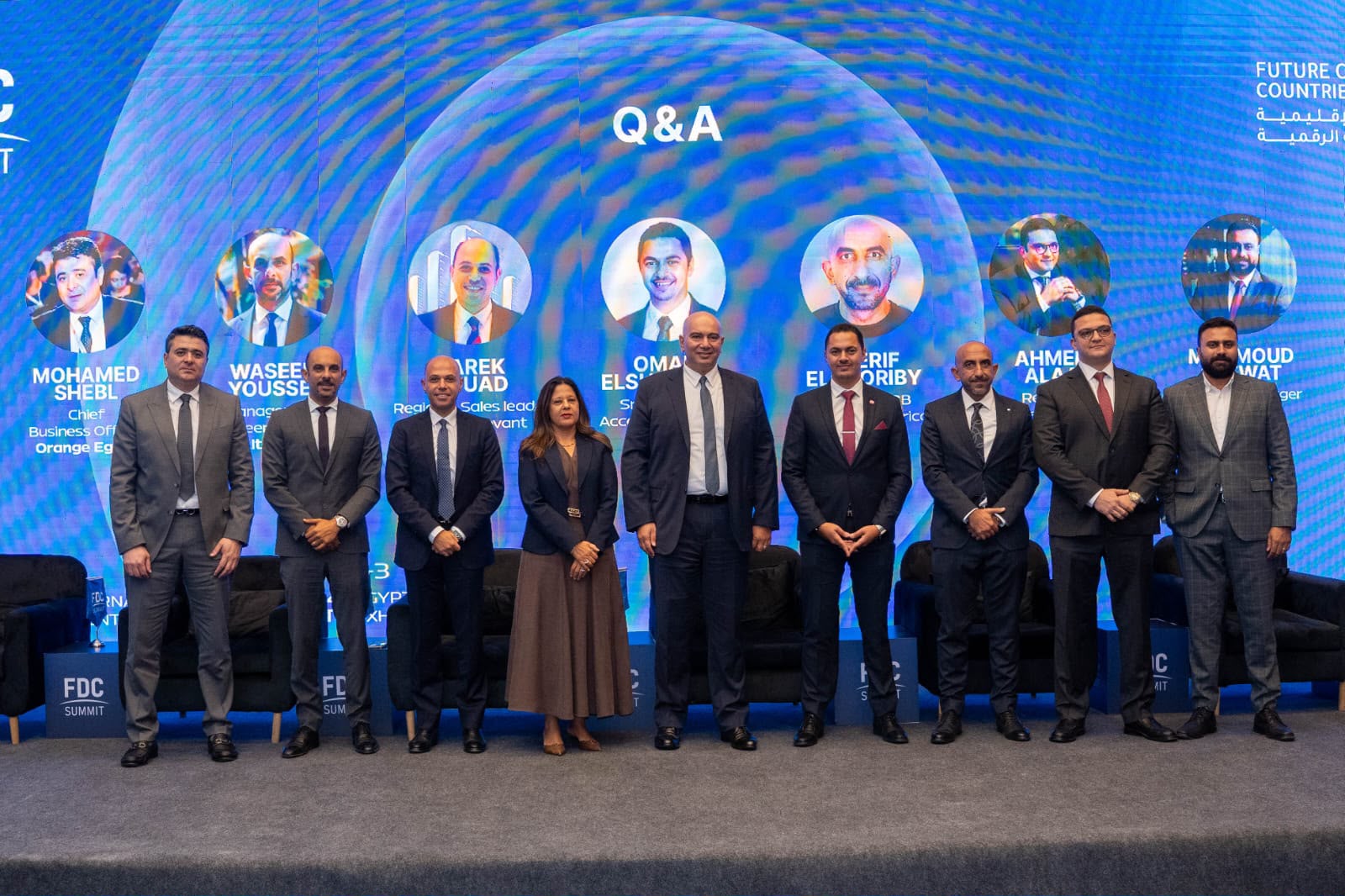
Among the companies taking part are Orange Egypt, Palo Alto Networks, F5, Trellix, Thales, Google, Kaspersky, OpenText, Gigamon, Trend AI, ExtraHop, Infoblox, BeyondTrust, Ivanti, HPE Juniper, Seclore and Tenable, alongside local and regional players including MCS, AIS–DPH, We Innovate, ACT and Raya IT.
Technology moves closer to the investment agenda
While previous phases of digital transformation were largely driven by connectivity and software adoption, FDC Summit 2026 is being structured around a broader shift in which AI, cloud infrastructure, cybersecurity and data centers are increasingly becoming part of national investment and industrial strategies.
The summit’s agenda will examine next-generation telecommunications networks and their role in expanding digital services, alongside artificial intelligence, cloud computing, data management and cybersecurity.
A central theme will be the interaction between these technologies rather than treating them as separate markets.
AI adoption, for example, increasingly depends on cloud capacity and data centers, while those infrastructures require stronger cybersecurity, resilient networks and governance frameworks capable of supporting large-scale digital operations.
The discussions will also explore how these technologies can be applied across healthcare, banking and financial services, industry, energy and government services.
Egypt’s data center opportunity enters the spotlight
Data centers will form one of the summit’s major investment themes, reflecting their growing role as the infrastructure layer behind cloud computing, AI applications and digital services.
FDC Summit will examine Egypt’s ability to attract more investment into the sector by building on its geographic position, telecommunications infrastructure, talent base and links with markets across the Middle East and Africa.
The issue has become increasingly important as AI workloads drive demand for computing capacity and as governments and companies place greater emphasis on where data is hosted and processed.
For Egypt, the opportunity is therefore no longer limited to expanding domestic digital infrastructure. It also involves positioning the country as a regional location for hosting, processing and delivering digital services.
Cybersecurity becomes part of infrastructure planning
Cybersecurity will receive similar attention as organizations face a growing need to protect the infrastructure and data supporting their digital operations.
Sessions will address cyber risk management, critical infrastructure protection, data security, business continuity and institutional readiness to respond to increasingly sophisticated threats.
The summit will also examine the human and governance dimensions of digital transformation, including workforce development, responsible data use and the skills required to operate emerging technologies at scale.
“The real value is what technology can deliver”
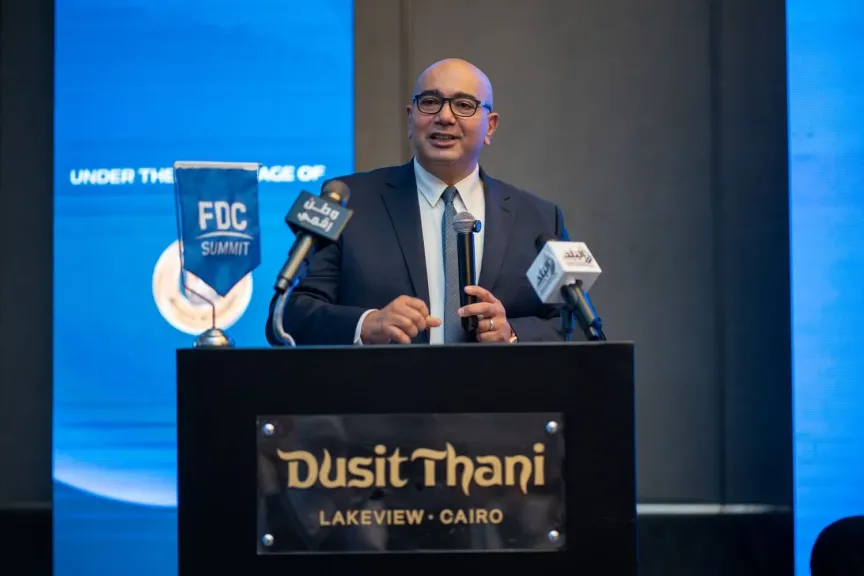
Tarek Shabka, Chairman of the FDC Summit Organizing Committee, said this year’s agenda was designed around the economic impact of technology rather than technology for its own sake.
“The eighth edition comes at a time when technological transformation is accelerating at an unprecedented pace. The real value of these changes does not lie in the technology itself, but in our ability to turn it into opportunities for growth, investment and greater efficiency across different sectors.”
He said the summit aims to connect technology developments with the needs of the economy and create direct discussions between government, industry leaders and international and local companies.
Shabka added that FDC Summit is increasingly positioned as a platform for discussing the technologies likely to shape the next phase of the market, including AI, data centers, cybersecurity, digital infrastructure and new generations of telecommunications networks.
“Our objective is to move beyond showcasing technologies and examine their actual impact, and how they can be translated into investments, partnerships and more advanced services.”
Startups, research and talent move into the wider ecosystem
Beyond its main conference program, FDC Summit 2026 will also feature several initiatives aimed at extending the event beyond enterprise technology.
FDC Stars will focus on entrepreneurship and technology innovation, connecting promising ideas and ventures with investors and industry participants.
The FDC Women Forum will address women’s participation in technology and the digital economy, including professional and leadership opportunities.
Meanwhile, FDC Digital Lab will focus on research and development, technical skills and training, with an emphasis on narrowing the gap between academic knowledge and the needs of industry.
Together, the initiatives reflect a broader ambition to build an ecosystem around technology that includes not only infrastructure and corporate investment, but also startups, research, talent development and workforce readiness.
For FDC Summit, the broader challenge is increasingly clear: Egypt’s next stage of digital development will not be defined simply by adopting more technology.
It will depend on whether the country can connect infrastructure, capital, skills and innovation in a way that turns technological change into sustainable economic value.