


Saudi Arabia and Syria Establish Joint Bank to Drive Investments and Reconstruction
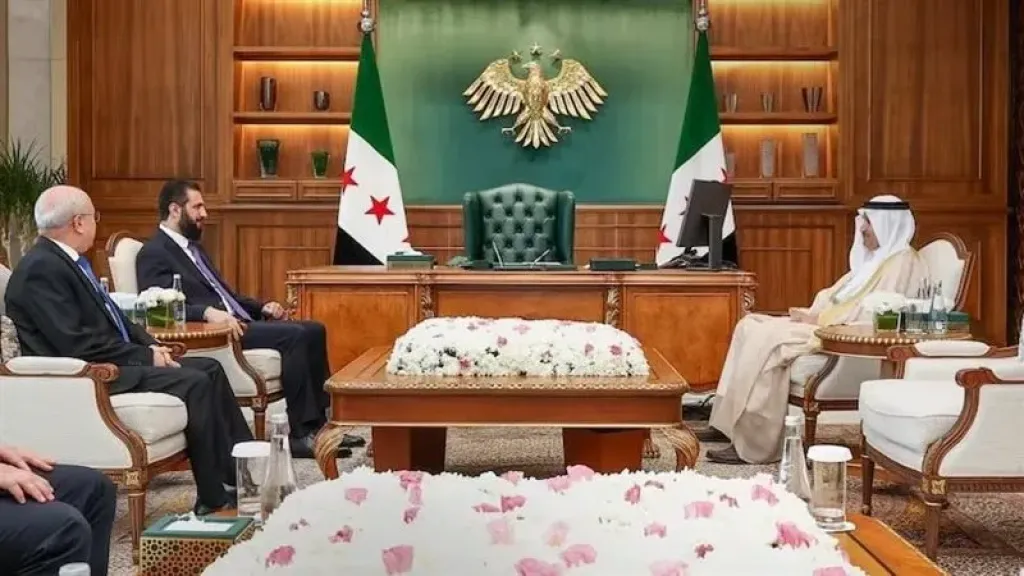
Saudi Arabia and Syria have established a joint bank to facilitate financial transfers and cross-border investments, marking a significant step toward strengthening bilateral economic relations and boosting Saudi corporate participation in Syria's reconstruction efforts, according to The International.
The launch of the financial institution is part of a broader suite of agreements announced between Riyadh and Damascus spanning the road transport, railway, and aviation sectors, as both nations move to expand economic cooperation.
Financing Tourism and Real Estate
The joint bank is designed to streamline capital flows between the two nations, with a specific focus on funding tourism and real estate development projects in Syria. This initiative provides flexible banking channels to support joint ventures and investments at a time when Syria is actively seeking foreign capital to rebuild its economy amid a gradual financial reopening.
Expanding Transport and Trade Networks
In the transport sector, the newly inked agreements cover roads, railways, and aviation. The deals include expanding airline operations to enhance Syria’s connectivity with its Arab and regional neighbors. Furthermore, the agreements outline measures to ease visa procedures for truck drivers, a move designed to support freight movement and ensure the smooth flow of overland trade.
This enhanced transport cooperation coincides with a robust recovery in Syrian tourism. The country welcomed approximately 3.5 million visitors during the first half of 2026, more than doubling the figures from the same period last year.
Infrastructure and Economic Recovery
Gulf investments are also targeting the development of Syrian infrastructure. Current plans include the redevelopment of Damascus Airport, alongside proposed projects to upgrade the transport network within the capital, further stimulating the tourism, real estate, and service sectors.
The Syrian government has positioned foreign investment attraction as a core pillar of its economic recovery phase. The banking partnership with Saudi Arabia establishes the essential financial infrastructure required to fund these major projects and expand capital movement between the two countries.
related topics
 Visa Executes First Live International Payment Transaction in Syria, Marking Milestone in...
 • Visa tests first live international transaction in Syria in cooperation with...
 Saudi Arabia and France Deepen Bilateral Investment Ties at Paris Roundtable During...
 S&P Dow Jones Indices Retains Egypt’s 'Emerging Market' Status for 2026, Dispelling...
 Syria Approves New Electronic Payment and Money Transfer System
 India and Iran Central Bank Chiefs Discuss Monetary Cooperation and Trade Settlement...
 EGX Chairman Showcases Investment Opportunities to Kuwaiti Investors as Market Cap Exceeds...
 Inaugural Red Sea Forum for Sustainable Energy and Tourism Concludes, Paving the...
 Egypt’s New E-Visa System Hailed as a ‘Qualitative Leap’ in Drive to...
 U.S. State Department Makes Visa Bond Program Permanent, Imposing Up to $20,000...
 Tourism Federation Chairman: Sector Stifled by ”Impossible” Loan Conditions and Heavy Taxation
 Palm Hills Developments Obtains FRA Approval to Add Hotel and Tourism Construction...