


Maersk Raises Full-Year Profit Forecast for the Second Time in 2026 Amid Strong Demand and Elevated Freight Rates
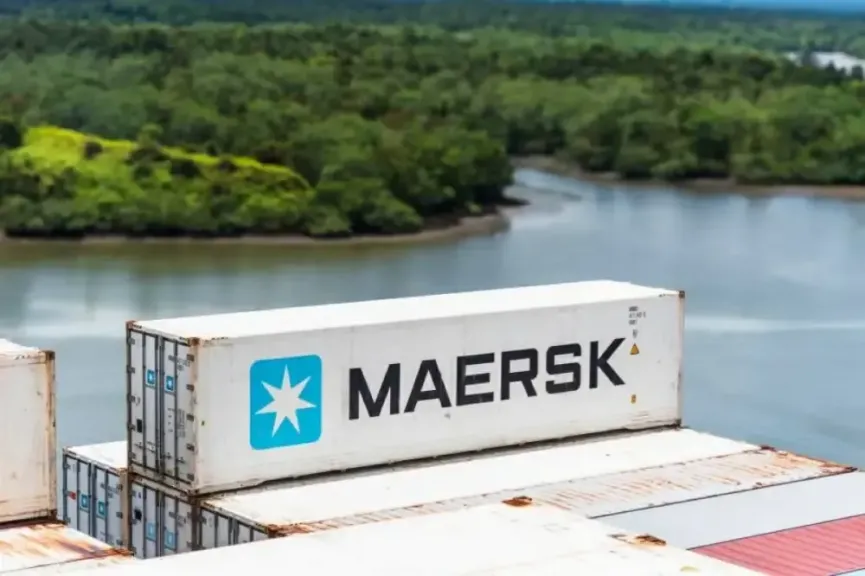
Danish shipping giant Maersk has upgraded its full-year profit guidance for the second time in 2026, following quarterly results that significantly surpassed analyst expectations. The company capitalized on robust demand for container shipping services, particularly in Asia, alongside persistent global supply chain disruptions that have kept freight rates at elevated levels.
The company, which ranks as the world's second-largest container shipping operator, reported a stellar financial performance for the April-to-June period.
Q2 2026 Financial Highlights:
Financial MetricQ2 2026 ResultAnalyst ExpectationsQ2 Previous Year
EBITDA$3.0 Billion$2.12 Billion$2.3 Billion
Global Market Growth Forecast~4% (for 2026)--
These results arrive less than two months after the company previously raised its guidance, citing sustained strong demand in Asian markets and projecting global container market growth of approximately 4% for the year 2026.
Navigational Disruptions Continue to Support Freight Rates
Over the past months, global shipping companies have inadvertently benefited from severe disruptions in maritime trade, which have drastically driven up sea transport costs and freight rates.
Key factors driving these elevated rates include:
The outbreak of war between the United States and Iran, causing severe disruptions to navigation through the Strait of Hormuz.
Ongoing attacks on commercial vessels in the Red Sea.
The necessity for shipping companies to reroute vessels on longer journeys or absorb additional insurance premiums, costs that are passed directly onto freight rates.
Maersk is widely regarded as a critical bellwether for the health of global trade due to its massive operational scale and presence across international shipping lanes. Consequently, its robust earnings are seen as a strong indicator of sustained global demand for physical goods.
A Gradual Return to the Suez Canal
While shipping lines continue to benefit from high freight rates, recent indicators point toward a gradual stabilization of maritime conditions.
Over the past few years, the majority of shipping companies abandoned the vital Asia-Europe route via the Suez Canal due to Houthi attacks in the Red Sea, opting instead for the lengthy and costly detour around the Cape of Good Hope in South Africa. However, in recent months, both Maersk and Hapag-Lloyd have announced the resumption of a portion of their services through the Suez Canal as part of a phased and closely monitored return plan.