


The Minister of Housing is following up on the latest developments regarding the regularization of land ownership in the newly added cities of El Shorouk, El Obour, and Sphinx.
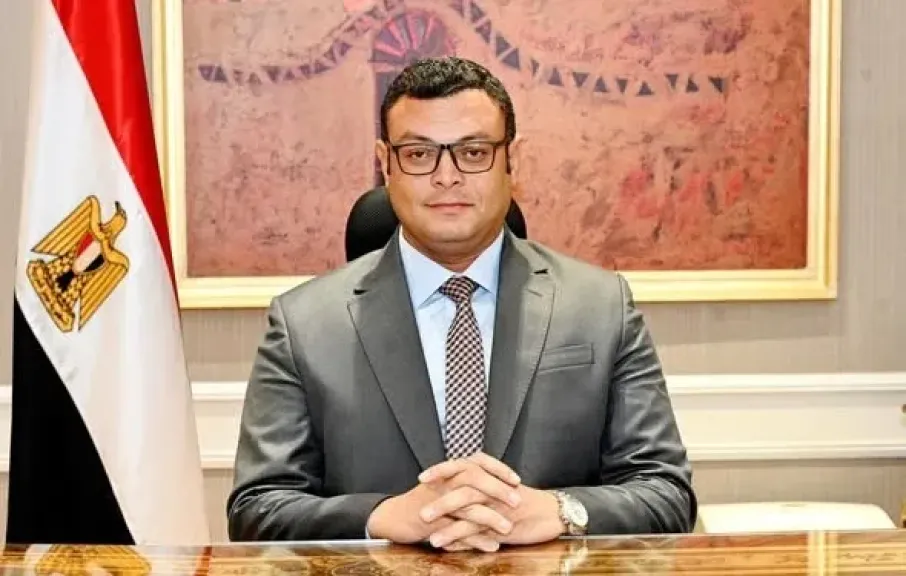
Minister of Housing, Utilities, and Urban Communities, Engineer Sherif El-Sherbiny, followed up on the latest developments regarding the regularization of land ownership in the newly added areas of El Shorouk, El Obour, and Sphinx. He emphasized that regularizing the status of these lands in several new cities is a top priority for the current phase, aimed at protecting state property.
Engineer El-Sherbiny also stressed that regularization is no longer optional but has become an imperative for regulating the land system and achieving legal stability for citizens. He noted that the current phase is witnessing improved monitoring mechanisms that prioritize decisiveness and speed, without compromising the provisions of the law.
In El Shorouk City, a delegation from the New Urban Communities Authority, headed by Engineer Ahmed Ali Mohamed, Vice President of the Authority for Real Estate and Commercial Affairs, conducted an inspection visit to review the regularization process in detail. The current implementation status and actual progress rates in the added areas—El Salam, Tayba, and the northern part of the city—were discussed, with an agreement reached on expediting the preparation of the necessary plans for approval in accordance with established planning regulations.
During the visit, the necessity of taking immediate decisions regarding non-serious land plots was emphasized, along with the decisive application of regulations, within a clear policy that allows no leniency or exceptions.
Officials from the Shorouk City Authority explained that work is currently underway according to an intensive plan that includes working in two shifts and activating the role of each department according to its jurisdiction. This aims to achieve the highest rates of completion in the regularization process, while fully adhering to the law and preserving the state's rights.
In this context, a meeting was held at the headquarters of the New Obour City Authority with representatives of the board of directors of the "Al-Adliya Association" and a number of its members. The meeting reviewed and explained the mechanisms, rules, and regulations governing the regularization procedures, in preparation for finalizing the "Al-Adliya Association's" regularization file according to the approved legal frameworks. The association was also urged to update its members' data as soon as possible to begin studying the regularization process, in preparation for presenting it to the competent regularization committee for processing according to the established rules and regulations.
In the area formerly known as the "Al-Tala'i Association" in New Obour, emphasis was placed on the need to accelerate the implementation of drinking water, sanitation, and irrigation infrastructure, as well as road construction, while adhering fully to approved technical specifications and requirements. This will ensure the swift regularization of beneficiaries' status and the development of the area.
The 11-kilometer-long R6 road in New Obour also received close monitoring. Contracting companies were instructed to promptly address any field or administrative obstacles that might hinder progress, as developing the infrastructure in these areas is a top priority and a cornerstone for finalizing the regularization process and delivering land to its rightful owners as quickly as possible.
Similarly, the New Sphinx City Authority continued the work of the committee tasked with reviewing regularization applications for individuals and entities residing on land plots added to the city. Emphasis was placed on intensifying efforts to complete all submitted applications.