Technical Glitches Hit Major US Banks, Disrupting Digital Payment Services
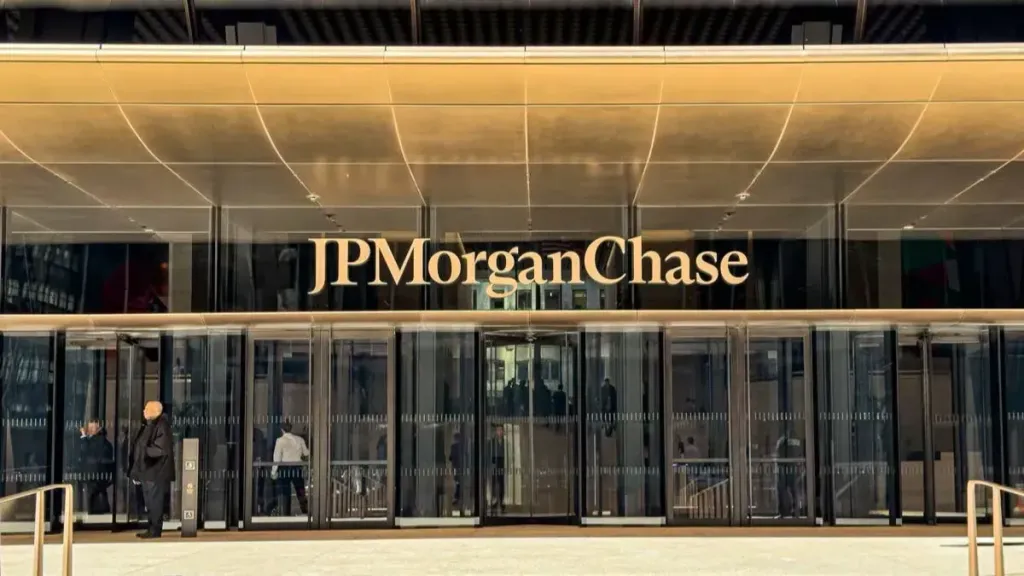
A wave of widespread technical disruptions has hit the digital banking services of several of the largest banks in the United States, preventing thousands of customers from accessing their online accounts and delaying financial transactions.
Affected Banks and Widespread Confusion
Outage-tracking platforms recorded a sharp spike in complaints from users of major financial institutions, including Bank of America, JPMorgan Chase, Wells Fargo, U.S. Bank, and Truist. Customers reported severe difficulties logging into banking apps, along with halted operations or transactions taking significantly longer than usual. Meanwhile, Chase users received alert messages stating that certain services were temporarily unavailable.
Official Clarifications Rule Out Cyberattacks
In an effort to ease customer concerns, a Chase spokesperson clarified that the disruption stemmed from an internal technical glitch rather than a cyberattack or security breach. The bank affirmed that customers' funds and accounts remain safe and accessible, noting that engineering teams are working at full capacity to restore normal service speed and efficiency as quickly as possible.
Ripple Effects Reach the "Zelle" Payment Network
The impact of the outages extended beyond internal banking systems to affect shared payment infrastructure. A U.S. Bank spokesperson noted that while the bank's own systems remained unaffected, customers might experience delays when sending or receiving money via "Zelle" with other banks. Zelle is an instant transfer network operated by Early Warning Services—a company owned by a consortium of major US banks—meaning any infrastructure glitch automatically impacts cross-bank payment flows.
Vulnerability of Digital Infrastructure
This banking disruption comes just days after a major technical outage hit Microsoft services—including Outlook, Teams, and Copilot—lasting for several hours. These consecutive incidents highlight the growing challenges major institutions face in ensuring the stability of their technological infrastructure, especially given the near-total reliance of millions of individuals and businesses on digital platforms for daily financial management.
related topics
 banknbox Registers Its Trademark in the European Union, Targets Expansion into Five...
 Fawry’s Profits Jump 32.2% to EGP 2.69 Billion in 9M 2026, Driven...
 eNovate and Nasser Social Bank Establish Five-Year Strategic Partnership to Accelerate Digital...
 Fawry Shares Extend Weekly Rally, Adding EGP 1.74 Billion to Market Capitalization
 saib Bank Strengthens Its Digital Banking Strategy Through New BMP Egypt and...
 ”2035 Enterprises”: AI Shapes the Future of Companies at Cairo ICT 2026
 Central Bank of Egypt Shifts to ”Financial Inclusion 2.0”: Focus Moves to...
 Day Two of PAFIX 2026 Kicks Off: Financial Inclusion, AI, and Cybersecurity...
 CIB Looks Toward the Future of Digital Banking and AI at Cairo...
 Strategic Partnership Between Mastercard and Housing and Development Bank to Enhance Digital...
 Strategic Partnership Between Telecom Egypt and e-finance to Drive Digital Transformation and...
 Egypt’s Central Bank Approves New Rules for Banking Agents to Expand Financial...