OEM vs. Aftermarket Car Parts: How to Spot Counterfeits and Avoid Costly Mistakes
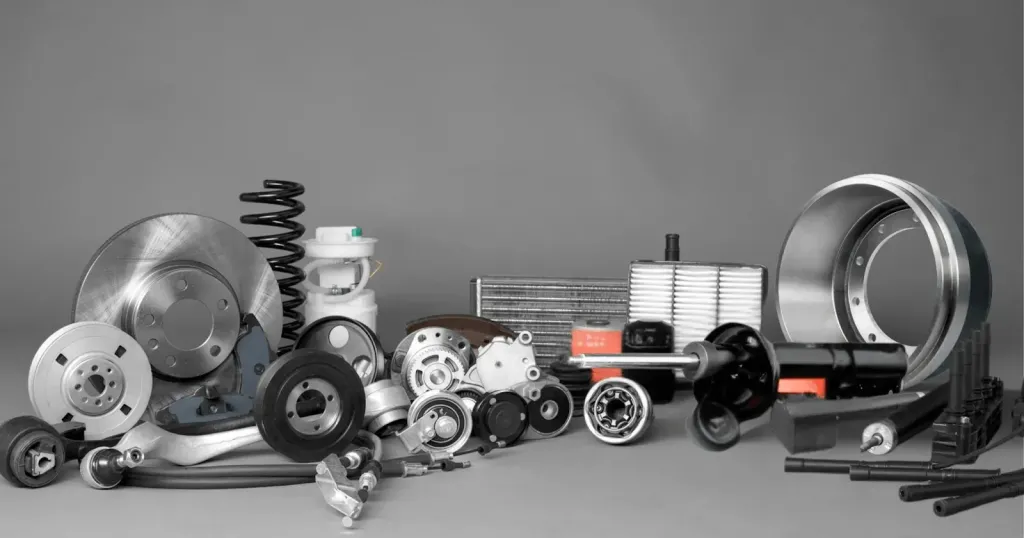
Choosing between genuine, OEM and aftermarket car parts has become an important challenge for vehicle owners seeking to balance maintenance costs, reliability and safety. With counterfeit products increasingly resembling authentic components in packaging and branding, identifying the source and specifications of a spare part is essential. Buying a counterfeit component can lead to premature failure, additional repair expenses and potentially serious safety risks, particularly when the affected components are related to braking, steering or suspension systems.
The distinction between these categories is not always straightforward. Price alone cannot determine whether a spare part is genuine, original-equipment quality or counterfeit. Buyers should also consider the manufacturer's identity, product reference number, compatibility, distribution channel and warranty.
Understanding Genuine, OEM and Aftermarket Parts
Genuine parts are components marketed under a vehicle manufacturer's brand and generally distributed through its authorized dealerships and suppliers. They are intended to meet the manufacturer's specifications for particular vehicle models and configurations.
OEM stands for Original Equipment Manufacturer. The term generally refers to a company manufacturing components for an original vehicle manufacturer. Some suppliers also sell components under their own brands through the independent replacement-parts market.
However, the term OEM does not automatically establish that a particular component is identical to the original part installed in a specific vehicle. Buyers should verify the manufacturer's identity, part number and compatibility rather than relying solely on the OEM label.
Aftermarket parts are manufactured by independent companies for the vehicle repair and maintenance market. Their quality varies depending on the manufacturer, materials, technical specifications and testing procedures. Therefore, aftermarket does not necessarily mean inferior or counterfeit.
How to Identify Counterfeit Car Parts
Counterfeit manufacturers increasingly reproduce branded packaging and labels, making visual inspection alone insufficient. Nevertheless, several warning signs can help buyers identify suspicious products.
These include poor printing quality, spelling mistakes, inconsistent logos, missing manufacturer information, unclear country-of-origin details and discrepancies between the part number on the packaging and the manufacturer's official catalogue.
Some manufacturers use security holograms, serial numbers, QR codes or other authentication technologies. Buyers should use the manufacturer's official website or application to verify these features whenever available. Ford, for example, provides guidance on checking serial numbers, holograms, QR codes and packaging when purchasing genuine spare parts.
Warning Signs and Safety Risks
An unusually low price is one of the most important warning signs, particularly when a branded component is offered by an unfamiliar seller. Other indicators include poor finishing, inconsistent dimensions, questionable materials and the absence of a clear warranty.
According to consumer guidance published by the UK's Intellectual Property Office, counterfeit vehicle components may be manufactured using inferior materials and may not undergo the necessary safety testing, increasing the risk of failure.
Frequently counterfeited components include brake pads and discs, oil and air filters, spark plugs, airbags, steering components and suspension parts. Counterfeit products in these categories can expose drivers, passengers and other road users to serious risks.
Practical Steps to Avoid Counterfeit Parts
The safest starting point is to purchase from authorized dealerships, recognized distributors or established aftermarket suppliers. Buyers should also request an itemized invoice identifying the product, its reference number and the seller's information.
Matching the spare part to the vehicle's identification number (VIN) is another important step. Vehicles of the same model and production year may require different components depending on engine type, trim level and technical configuration.
When purchasing online, consumers should examine the seller's reputation, return policy and warranty conditions. They should also retain packaging, labels and proof of purchase in case the product requires authentication or replacement.
Are Aftermarket Parts a Cost-Effective Alternative?
Aftermarket components can provide a cost-effective alternative when purchased from reputable manufacturers with documented specifications, appropriate quality controls and clear warranties.
The key distinction is between a legitimate aftermarket product and a counterfeit component falsely marketed under a recognized brand. The two should never be treated as equivalent.
For safety-critical systems, buyers should prioritize components with verifiable compliance, reliable manufacturing standards and proven compatibility with their vehicles, regardless of whether they are purchased through the vehicle manufacturer's network or an independent supplier.