


Shift in Arab Stock Markets: AI Moves from Data Analysis to Trade Execution
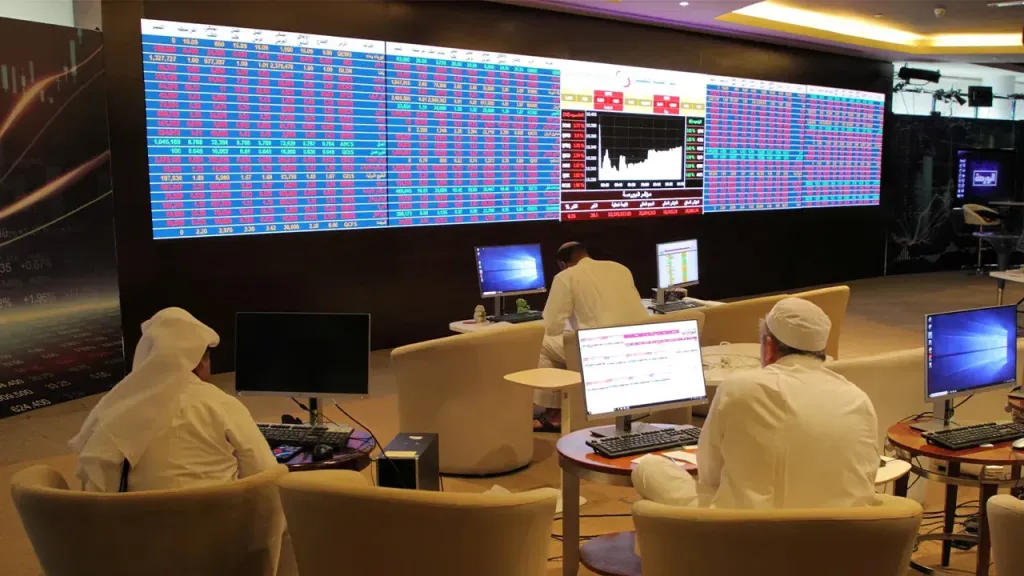
Arab financial markets are witnessing a pivotal transformation as artificial intelligence gradually evolves from a simple tool for monitoring and analyzing data into an active technology capable of guiding investment portfolios, providing recommendations, and directly executing trades. Key markets across the region exhibit a noticeable divergence in how regulators and exchanges adapt to this technological shift.
Strategic Divergence Across Saudi Arabia, UAE, and Egypt
Regulatory authorities in the region are pursuing different paths to adapt to the new technology:
Saudi Arabia: Moving toward establishing comprehensive regulatory frameworks for algorithmic trading, while expanding the adoption of AI-powered financial advisory services and algorithm-driven funds.
United Arab Emirates (Abu Dhabi): Focusing on facilitating the flow of real-time market data to investors via conversational AI platforms, alongside setting up regulatory frameworks for digital investment management and robo-advisory.
Egypt: Adopting a balanced approach aimed at expanding digital access to financial services, while strictly prohibiting the use of AI to influence investment decisions or generate trading recommendations on digital platforms.
Redefining the Role of the Human Investor
This shift does not mean human investors are being entirely replaced for now; rather, it is blurring the boundaries between human judgment and automated systems. The incredible speed at which AI processes financial statements, news, and market data allows asset managers to shift their focus toward strategy and risk management. Simultaneously, regulators are increasingly treating AI as a core component of financial market infrastructure.
related topics
 Ahmed Wafik Appointed Managing Director of Citroën in Egypt Under Kasrawy Group
 Commercial International Bank (CIB) Launches a Free Financial Inclusion Training Program on...
 Performance of Egyptian Banking Sector Stocks at the Close of Sunday’s Trading
 e& money Leads Digital Wallets in Egypt in H1 2026
 Meta Launches Open-Source Project for Building Smart Home and Personal Devices Powered...
 Basata Expands B2B Payment Solutions to Enhance Operational Efficiency and Digital Transformation
 Governor of the Central Bank of Egypt Calls for Establishing an African...
 Google Restricts Free Access to AI Models in Gemini, Limiting Free Users...
 Gold Prices in Egypt Today, Sunday, October 4, 2026: Cautious Stability Following...
 US Dollar Exchange Rate Stabilizes Today, Sunday, October 4, 2026, Across Egyptian...
 20 Billion EGP Investment: Egyptian-Emirati Alliance Powers the Launch of ”Arcline Developments”
 Egyptian EdTech Startup STEMulator Turns Kids Into Robot Builders as Saudi Schools...