


Amazon Faces Growing Backlash in Texas Over Prime Air Drone Delivery Noise and Privacy Concerns
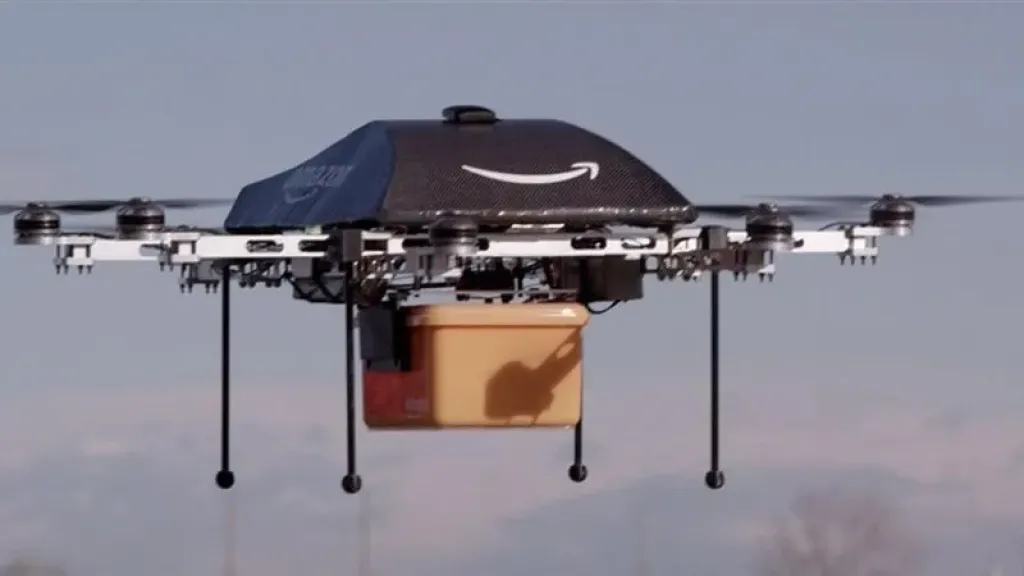
Amazon is facing mounting pushback from residents in a neighborhood in Richardson, Texas, due to its delivery drones flying over homes throughout the day. The continuous flights have sparked a wave of complaints regarding noise pollution, privacy concerns, and the company's data collection practices.
The backlash coincides with Amazon’s aggressive expansion of its Prime Air drone delivery service, an initiative aimed at transporting tens of thousands of products to customers within approximately 30 minutes in select areas.
The drones are dispatched from an Amazon facility in Richardson, operating within a 7.5-mile radius. The service can deliver packages weighing up to 5 pounds, offering free delivery on certain orders or for a fee of up to $4.99.
The city of Richardson approved the service last December, permitting flights between 7:00 AM and 8:00 PM. Amazon stated that its drones typically cruise at an altitude of nearly 225 feet above the ground, while the Federal Aviation Administration (FAA) permits the aircraft to fly up to 400 feet.
Amazon is gearing up for a massive rollout, having announced plans to expand drone delivery to 500 cities and towns across the U.S. by the end of the year. Meanwhile, other retail giants, including Walmart, have initiated similar trials and services in various regions across the country.
Richardson residents' complaints primarily center on noise. Several locals report that the drones frequently hover over their properties throughout the day, with the buzzing clearly audible even from inside their homes.
Resident Nikki Anderson noted that the drones fly back and forth from early morning until past dinner time, pointing out that the noise becomes particularly intrusive during weekends.
Conversely, Amazon asserts that noise complaints represent a very small fraction of the total feedback it receives, stating that less than 1% of the inquiries it received this year pertained to noise.
The company describes the sound of its drones as comparable to a window fan running on low, arguing it is less disruptive than a delivery van driving by a home. However, some residents offer a starkly different description, likening the noise to a swarm of lawnmowers. They emphasize that the issue is not the sound of a single flight, but rather the relentless frequency of trips throughout the day.
Another resident, Christy Graham, complained about drones flying directly over her backyard where her family frequently swims and cooks outdoors. After she filed a complaint, Amazon adjusted the flight paths. However, Graham noted that the drones simply shifted their route to fly in front of her house instead of over the backyard.
Amazon confirmed it had made operational adjustments in response to community feedback, though it did not specify the exact number of flight path changes implemented in the area.
Local authorities in Richardson have no direct jurisdiction to regulate the airspace above the city; their authority is generally limited to land use and facility zoning. The FAA has already authorized Amazon's operations and concluded in July that commercial drone flights—including Amazon's—would not have a significant environmental impact.
Some residents are urging for stricter limitations on operational hours or a cap on flight density, yet the city has not imposed any new time restrictions since initially approving the program.
Privacy has emerged as another major concern. Because the drones utilize cameras and sensors to navigate during flights, residents are questioning the nature and scope of the imagery and data collected while the devices hover over private homes and yards.
Amazon maintains that the imagery captured by the drones is stored on encrypted drives and is accessible only to authorized personnel. The company stressed that the data is used strictly for safety and customer service purposes.
In one instance, video game industry researcher Stephanie Bouri began tracking the drones flying over her home. She reported logging 52 drone sightings in a single day, which she described as a relatively "quiet" day for the flights.
Prime Air has also drawn criticism following the circulation of videos showing drones dropping packages in incorrect locations—including a swimming pool—along with other incidents where drones were forced to land in public areas after failing to complete their routes.
As Amazon continues to refine its aircraft and operational procedures while pushing forward with plans to expand Prime Air to hundreds of U.S. municipalities, the widespread adoption of this technology faces significant hurdles regarding noise management, privacy safeguards, flight density, and the complex realities of operating within residential airspace.
related topics
 Nvidia Expands Share Buyback Program by $150B, Pushing Total Authorization to $235B
 Al Ansari Exchange Wins ”Best Remittance and Foreign Exchange Service Provider” for...
 OPPO Egypt, ITIDA and Nile University Continue Empowering Egypt’s Future Technology Talent...
 Strategic Partnership Between Abu Dhabi Chamber and Siemens to Drive Industrial Digital...
 CBE Opens Bidding for EGP 60 Billion Treasury Bonds on Behalf of...
 Edita Food Industries’ Stock Dividend Entitlement Ends Today Amid 59% Profit Surge...
 Dell Technologies Eyes Expansion in Egypt’s Data Center Projects, Targets Doubling Business...
 Shorooq and Presight Announce Strategic Investment in Maven Robotics to Pioneer Next-Generation...
 World's First AI-Native Islamic Finance Platform ”Maal” Unlocks Career Paths for UAE...
 Saudi SME Alternative Lending Platform Eerad Raises $22M in Series A Led...
 Jumia is Redefining the BNPL Experience with the Largest Partner Network in...
 FAW Group Names SKY Holding’s Hongqi Egypt as Exclusive Official Representative in...