


Wizz Air Cuts H2 Capacity by 5% Amid Geopolitical Uncertainty but Upgrades Q2 Revenue Guidance
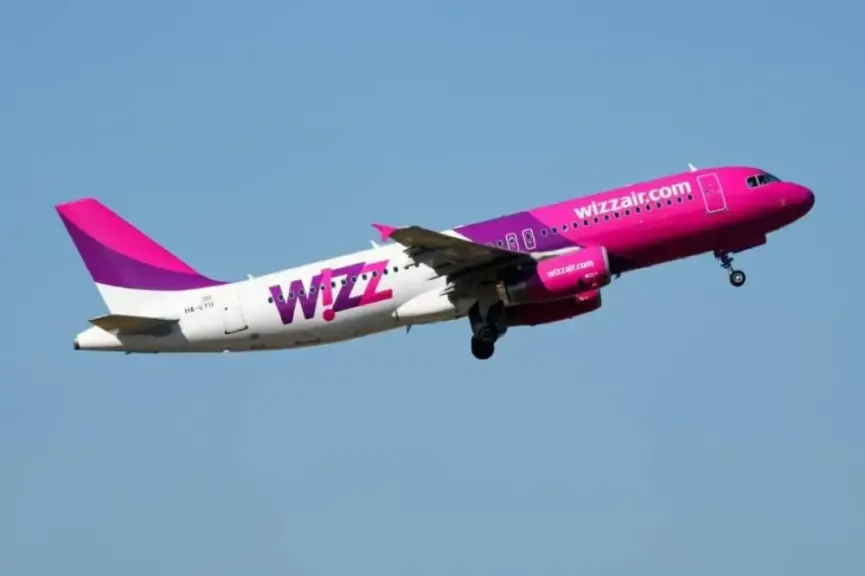
European low-cost carrier Wizz Air announced on Thursday that it is trimming its planned operational capacity for the second half of the year by approximately 5%. The strategic reduction comes in response to persistent macroeconomic headwinds, specifically volatile jet fuel prices and ongoing geopolitical uncertainties, which continue to apply upward pressure on industry-wide operating costs.
Despite the capacity adjustment, the airline upgraded its critical revenue forecast for the second quarter, signaling that strong passenger demand remains intact.
Upgraded Revenue Guidance and Metric Adjustments
While scaling back total flights, Wizz Air provided an optimistic revision to its revenue outlook:
RASK Improvement: The airline now expects its Revenue per Available Seat Kilometer (RASK)—a key industry profitability metric—to remain flat year-over-year during the second quarter. This marks a positive revision from its previous guidance, which had projected a low single-digit percentage decline.
Yield Management: The upgraded RASK forecast suggests that Wizz Air is successfully offsetting capacity reductions by maintaining strong pricing power and maximizing revenue on active routes.
Summer Performance Highlights
The improved revenue outlook was heavily bolstered by a better-than-expected summer travel season, characterized by robust passenger volumes and highly efficient flight operations:
Operating MetricAugust 2026July 2026Year-over-Year Context
Total Passengers Carried8.7 Million8.35 MillionSignificant volume expansion vs. 2025
Load Factor (Occupancy)95.6%93.7%Up from 94.8% in August 2025
The strong summer utilization rates indicate that while Wizz Air is defensively managing its cost base against geopolitical and fuel risks, the underlying consumer appetite for low-cost travel remains resilient.
related topics
 India Reaffirms Commitment to Energy Security Amid Threat of New US Tariffs...
 Zuckerberg Rejects Calls for Coordinated AI Development Slowdown
 Global Tech and Chip Stocks Tumble Following Anthropic CEO's Warning on Rapid...
 Goldman Sachs and JPMorgan Forecast Fed Rate Hikes Following Hot Inflation and...
 Oman Calls for LNG Export Routes Bypassing Strait of Hormuz as Domestic...
 Anthropic CEO Calls for Slower AI Race as Altman Backs Safety Push
 Elon Musk Backs Anthropic CEO Dario Amodei's 3-Point Plan to Slow Advanced...
 Investors Pivot to AI Infrastructure: Chips, Data Centers, and Energy Lead Capital...
 DPI Venture Capital Completes 19 Investment Deals in 18 Months, Emphasizes Long-Term...
 S&P: Gulf Oil Shipments Plunge Amid Hormuz Disruptions; Brent Forecast Lowered to...
 Money Fellows Prepares for New Expansion Phase and Financial Products
 Egypt's Annual Urban Inflation Slows to 14.5% in August 2026, CAPMAS Reports