


Strait of Hormuz Vessel Crossings Inch Up on Monday but Remain in Single Digits Amid Stalled US-Iran Talks
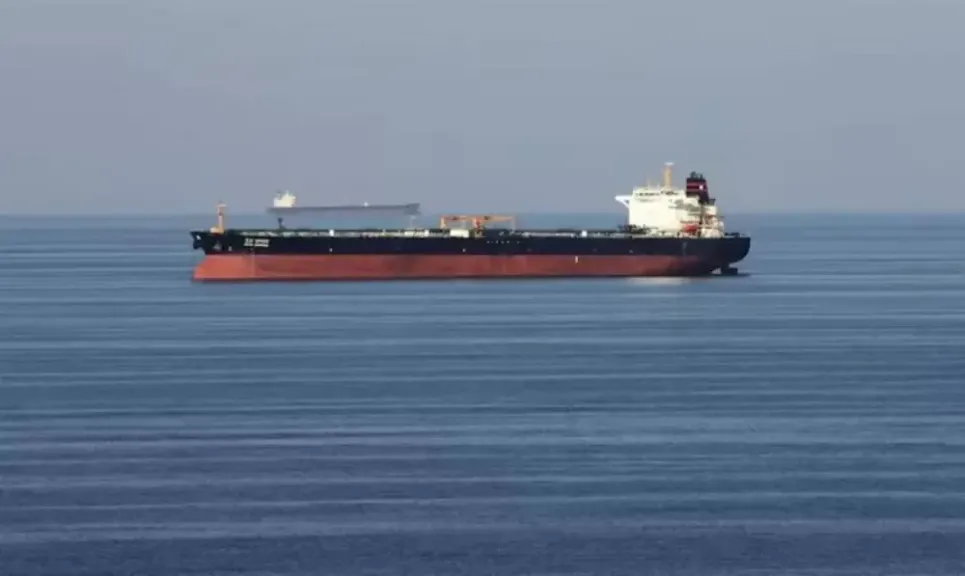
The number of vessels transiting the strategic Strait of Hormuz rose slightly on Monday compared to the weekend, but overall traffic remained constrained in the single digits, according to preliminary maritime tracking data released on Tuesday. The subdued activity comes amid a persistent deadlock in peace talks between the United States and Iran.
Ship-tracking data revealed that 6 commodity vessels transited the strait on Monday (3 inbound into the Gulf and 3 outbound), down significantly from the 10-day rolling average of 11 vessels per day.
Over the weekend, traffic slowed dramatically, with only 3 vessels crossing on Saturday and 2 on Sunday. Notably, no Very Large Crude Carriers (VLCCs) or Liquefied Natural Gas (LNG) carriers transited the strait during this window. Analysts noted that some vessels may have transited with their Automated Identification System (AIS) transponders turned off ("going dark"), excluding them from recorded totals.
Breakdown of Monday Vessel Traffic Through the Strait of Hormuz
Direction of TravelVessel Type & Details
Inbound (Entering the Gulf)
• 1 Very Large Gas Carrier (VLGC): The "Exavia" entered via the Iranian shipping lane sailing in ballast (without cargo).
• 2 Medium Range (MR) Fuel Tankers.
Outbound (Exiting the Gulf)
• 1 Medium-Sized LPG Tanker.
• 1 Panamax Dry Bulk Carrier.
• 1 Panamax Fuel Tanker.
Key Maritime Observations
Persistent Slump: Monday's 6 recorded transits remain nearly 45% below the 10-day average of 11 daily transits.
Absence of Mega-Carriers: Zero supertankers (VLCCs) or major LNG carriers were tracked crossing the choke point.
LPG Movement: The entry of the unladen VLGC "Exavia" highlights continued, albeit cautious, movement in liquefied petroleum gas (propane/butane) transport.
related topics
 Copper Futures Drop to Two-Week Low at $6.55/lb on Profit-Taking and Geopolitical...
 Goldman Sachs Says September Fed Rate Hike ”Very Unlikely” Amid Slowing Inflation...
 Oil Climbs Toward $90 as Fading US-Iran Peace Hopes and Hormuz Tanker...
 Nestlé Leverages AI and Nutrition Science to Develop Products Targeting GLP-1 Weight-Loss...
 German Direct Investment in the U.S. Plunges to Three-Year Low in H1...
 Visa and USSC Money Services Launch ”U Accept” to Transform Smartphones into...
 Foreign Currency Rates Against the Egyptian Pound (EGP) – Saturday, August 15,...
 Google's Gemini Surpasses 1 Billion Monthly Users, Driven by Surging Voice and...
 Gold Advances as Fed Rate Hike Bets Cool Down Ahead of Critical...
 Boston Fed’s Susan Collins Open to September Rate Hike if Inflationary Pressures...
 NTRA Tightens SIM Registration Rules to Verify Actual Users and Protect Personal...
 Meta Unveils 'Muse Glimmer' AI Model, Pledges $145 Billion for 2026 Infrastructure...