


Boston Fed’s Susan Collins Open to September Rate Hike if Inflationary Pressures Persist
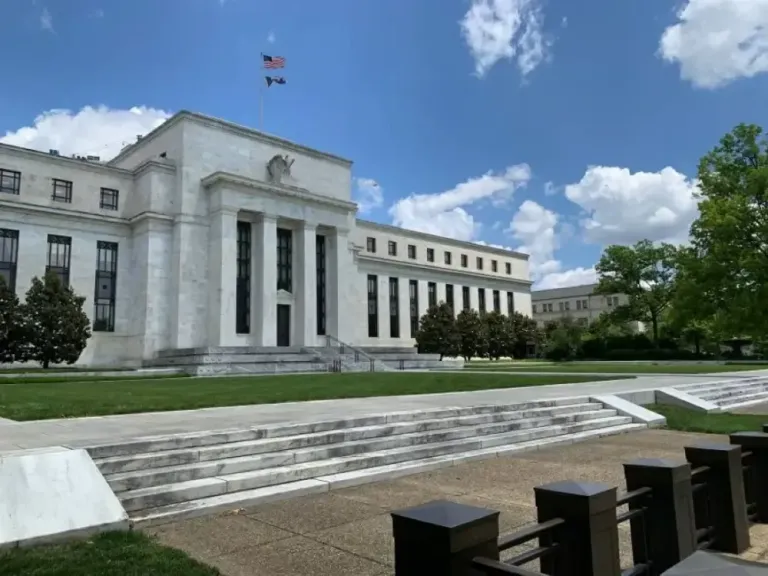
Boston Federal Reserve President Susan Collins stated she might support an interest rate hike at the upcoming Federal Open Market Committee (FOMC) meeting in September if data indicates persistent inflationary pressures. This serves as the latest signal that the U.S. central bank is not ruling out further monetary tightening, despite broader market expectations regarding the future path of interest rates.
Data-Dependent Approach
In an interview with the Financial Times, Collins clarified that her decision will hinge on upcoming economic data. She pointed out that a sustained rise in inflation could necessitate the adoption of a tighter monetary policy in the coming months.
"I see a possibility that economic conditions in the coming months may require a tighter policy, and I would be prepared to support an interest rate hike in this context," Collins stated.
Her remarks underscore the ongoing commitment of Fed officials to containing inflation, even as concerns over a potential slowdown in economic activity continue to mount.
Furthermore, Collins highlighted the growing difficulties faced by low-income American households in covering their daily living expenses amid persistent inflation. She noted that the ongoing war with Iran has exacerbated these pressures, driving up energy prices, which in turn has inflated the costs of transportation and essential goods.
Economic Data to Determine the Final Decision
The statements from the Boston Fed President arrive at a critical juncture, as markets anxiously await the release of the U.S. Consumer Price Index (CPI) data. This upcoming report is widely viewed as a decisive factor in shaping the central bank's monetary policy trajectory for the September meeting.
Key Factors Influencing the Fed's Outlook:
Economic / Geopolitical FactorImpact on US Markets and Policy
Upcoming CPI DataWill serve as the primary indicator to determine if disinflation is continuing or stalling.
Middle East TensionsThe ongoing war and threats to navigation in the Strait of Hormuz are raising global energy costs.
Energy & Freight CostsRising oil prices threaten to slow the pace of declining inflation, potentially forcing the Fed to revise its forecasts.
Investors are monitoring the situation closely to see whether inflationary pressures will resume their downward trend or if recent surges in oil prices, fueled by escalating geopolitical risks in the Middle East, will derail the Fed's inflation targets. Over recent weeks, these geopolitical risks have significantly amplified fears of a sustained increase in global energy costs, which could heavily impact U.S. inflation rates in the months ahead.