


Russia Authorizes Regulated Trading for Bitcoin, Ethereum, and Tether Under New Crypto Framework
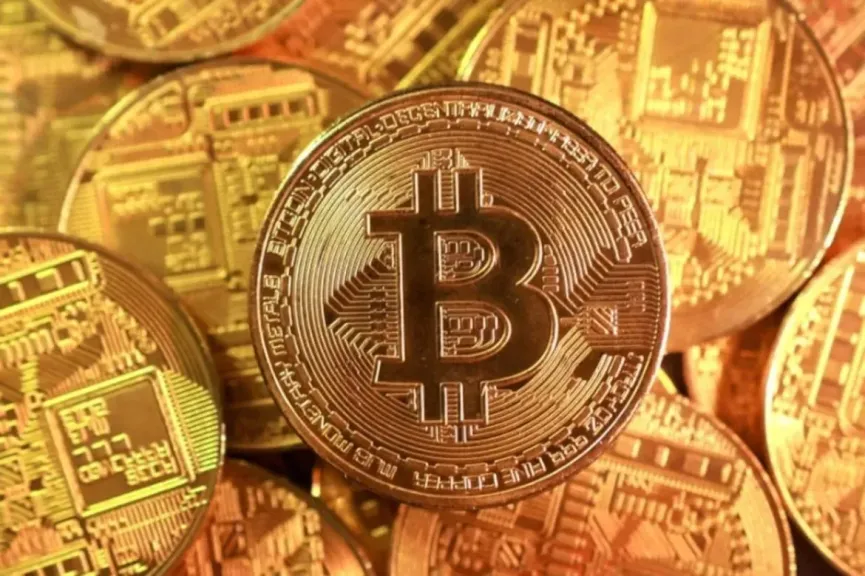
Russia is moving toward permitting the organized trading of Bitcoin, Ethereum, and Tether (USDT) after the Central Bank of Russia classified them among the most liquid digital assets eligible for public trading. This marks a significant paradigm shift in Moscow's policy toward the cryptocurrency market.
This move falls under Russia's new cryptocurrency regulatory framework, which is scheduled to take effect on September 1, 2026. The new rules will allow investors to execute digital currency transactions through regulated brokers while establishing distinct guidelines for qualified and unqualified investors.
The selection of these specific cryptocurrencies is based on stringent criteria, including asset liquidity, trading volume, and market history. This approach aims to restrict retail investor access to only the most established and liquid assets, rather than opening the market to all cryptocurrencies indiscriminately.
Regulatory Guidelines and Investor Limits
The new framework introduces specific caps and rules depending on the investor's classification and the nature of the transaction:
CategoryRegulatory Rules & Limits
Unqualified (Retail) InvestorsCapped at 300,000 rubles annually through a single broker; must pass a mandatory test before trading.
Qualified InvestorsPermitted to buy and sell without volume limits, though still subject to regulatory frameworks and testing.
Domestic PaymentsThe use of cryptocurrencies for domestic payments within Russia remains strictly prohibited.
Cross-Border TradeExporters and importers are allowed to use cryptocurrencies for international trade settlements without volume limits.
Strict Oversight and Infrastructure Development
Simultaneously, Moscow is working to build a fully regulated infrastructure for the cryptocurrency market. This ecosystem will include digital exchanges, trading platforms, digital depositories, and regulated brokers. The Central Bank of Russia will oversee this entire structure and draft its governing rules.
This step reflects a broader Russian strategy to regulate the crypto market rather than imposing a blanket ban. The primary focus remains on mitigating the risks of price volatility, money laundering, and the use of digital assets in illicit activities.
The State Duma approved the cryptocurrency regulation law last July. As implementation begins in September 2026, market participants will be granted a transitional period to complete licensing procedures and comply with the new requirements.
Cryptocurrencies in Foreign Trade
The legalization of domestic trading coincides with Russia's growing reliance on cryptocurrencies for foreign trade. This shift is heavily driven by the severe challenges Russian companies face in executing international payments due to Western sanctions.
The new system provides Moscow with an alternative channel for settling international transactions. Furthermore, the framework allows Russian residents to conduct crypto transactions abroad via foreign bank accounts, provided they disclose certain crypto assets held overseas to tax authorities.
A Gradual Policy Shift
Including highly liquid cryptocurrencies in an organized trading system represents a new phase in Russia's engagement with digital assets. Moscow has gradually transitioned from a highly conservative stance to building a legal framework that allows trading under the Central Bank's watchful eye.
However, the Central Bank of Russia continues to view cryptocurrencies as high-risk assets. This caution is due to extreme price volatility, sanction-related risks, and the complete absence of a sovereign issuer or guarantor.
Ultimately, the new Russian policy attempts to strike a delicate balance: allowing regulated trading, restricting retail access, tightening broker oversight, and banning domestic crypto payments, while simultaneously leveraging digital assets to facilitate international trade.
related topics
 Emirates NBD - Egypt Elevates Premium Banking Suite for High-Net-Worth and International...
 UK Regulators Forge Tokenized Gold Framework to Defend London's Global Market Dominance
 UAE-Based Bybit Sues North Korea and Lazarus Group in U.S. Court Over...
 Mastercard Tests Digital Identity Layer for Faster Cross-Border Stablecoin Payments
 Western Union Unveils 'Stablecard' Digital Wallet in Partnership with Rain, Marking a...
 National Bank of Egypt and Mastercard Launch USD Corporate Debit Card for...
 The National Bank of Egypt in collaboration with Mastercard launch USD Corporate...
 CBUAE Governor and Indonesian Ambassador Discuss Enhancing Financial Ties and Cross-Border Payments
 US Bitcoin Spot ETFs Record Second Consecutive Week of Inflows as Investor...
 Fuel Crisis Escalates in Russia as Disrupted Oil Depots Trigger Unprecedented Supply...
 Visa Launches Institutional 'Visa Stablecoin Platform' to Accelerate Digital Asset Integration
 US Government Transfers $288 Million in Seized Crypto to Coinbase Prime