


OpenAI Partners with Jony Ive to Launch Screenless AI Device Following Landmark $6.5 Billion Acquisition
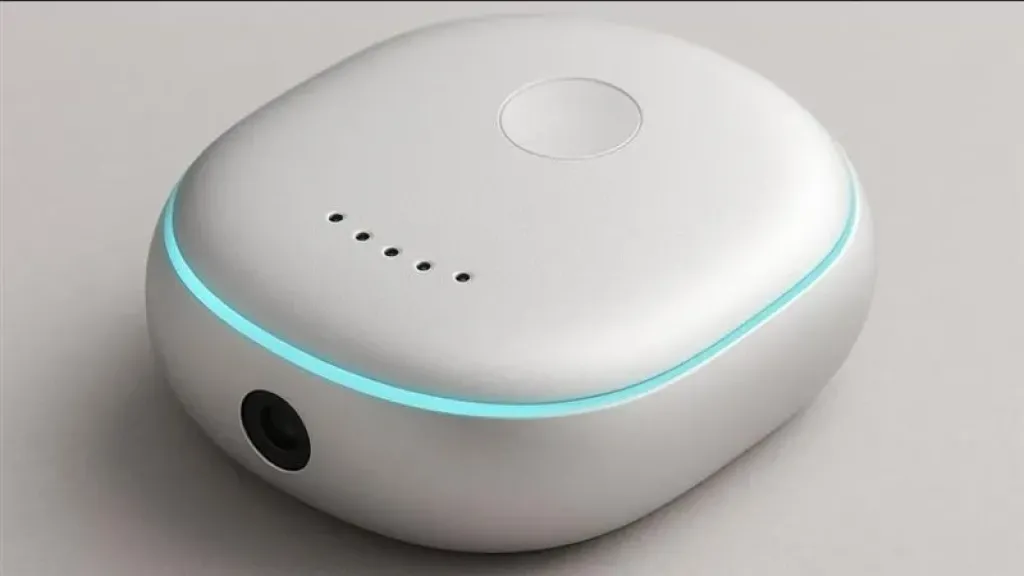
The smartphone may soon lose its position as the central device in our daily lives. OpenAI is currently preparing to launch a groundbreaking, screenless artificial intelligence hardware device. The project represents what could be the most significant paradigm shift in personal consumer electronics since Apple introduced the iPhone in 2007.
The cutting-edge hardware is being developed in close collaboration with renowned British designer Jony Ive, Apple’s former Chief Design Officer. The joint venture aims to completely redefine human-computer interaction by shifting users away from standard displays and traditional app ecosystems.
Neither a Phone nor Smart Glasses
OpenAI CEO Sam Altman clarified that the upcoming product will not take the form of a smartphone, a smartwatch, or smart glasses. Instead, it will be a compact, ambient hardware device fully powered by artificial intelligence. Built to accompany the user constantly, the device is designed to map out individual habits, interpret physical contexts, and handle continuous interaction primarily through voice and environmental awareness.
The device will feature the capability to stream music, send text messages, place phone calls, manage smart home ecosystems, and execute complex daily workflows—all without relying on an application interface or a physical screen. Altman described the device as a "third companion" that a user might initially place on their desk alongside their laptop and smartphone, before it eventually integrates into the fabric of daily life.
The Shift Away from Screen Dependency
"Smartphones, despite their monumental success, have forced users into an exhausting operational habit loop characterized by continuous screen attachment and endless navigation between apps and notifications," stated Jony Ive.
He emphasized that the core objective of the project is to develop an alternative architecture where AI exists naturally in the user's background, anticipating needs fluidly without demanding constant visual attention.
The Largest Acquisition in OpenAI History
The development of this hardware follows OpenAI's strategic acquisition of LoveFrom (referenced as io), the design firm founded by Jony Ive, in a blockbuster deal valued at $6.5 billion. Marking the largest financial acquisition in OpenAI's history, the high-stakes transaction underscores a massive corporate bet that the future of artificial intelligence will not be confined to software APIs, but will heavily depend on proprietary hardware integration.
Can It Succeed Where Others Failed?
Industry analysts view the project as a bold attempt to pioneer a post-app hardware category. However, the path to market adoption remains highly challenging, especially following the commercial struggles of early ambient AI precursors like the Humane AI Pin and the Rabbit R1, which failed to gain mainstream traction.
Nevertheless, market observers believe that OpenAI’s state-of-the-art models, combined with the unparalleled hardware design legacy of Jony Ive and the execution strategy of Sam Altman, give this venture a distinct competitive advantage. Altman concluded that the immediate goal is not to force an abrupt replacement of the smartphone, but to establish a new device category that will naturally evolve over time to become its logical successor, signaling a new era in consumer tech.
related topics
 Apple’s Next iPad Mini Could Arrive by October With OLED Display and...
 Central Bank of Egypt Declares Bank Holiday Next Thursday for July 23...
 RAKBANK and Mastercard Renew Strategic Partnership to Drive Next-Generation Payment Innovations
 Apple Solidifies US Chip Supply Chain with Landmark $30 Billion Broadcom Deal...
 Egypt and the International Telecommunication Union chair a ministerial round table on...
 OpenAI Launches Next-Generation 'GPT-Live-1' Voice Models for Seamless Real-Time AI Conversations
 Mark Zuckerberg Champions Meta Smart Glasses as the Next Major Technological Shift
 ITIDA CEO: AI to Drive Next Phase of Digital Services as Coca-Cola...
 Raya IT Appoints Marwa Abbas as CEO to Lead Next Phase of...
 MoneyGram Officially Joins Solana Network as a Validator to Pioneer Next-Generation Global...
 Mastercard Unveils ”The Next Era of Conscious Consumption”: Gen Z and Millennials...
 Driving the Open Finance Era: Lean Technologies and Ziina Unveil Next-Gen Payments...