


Madinet Masr CEO Abdallah Sallam: Continuous Learning is a Strategic Asset for Corporate Sustainability and Competitiveness
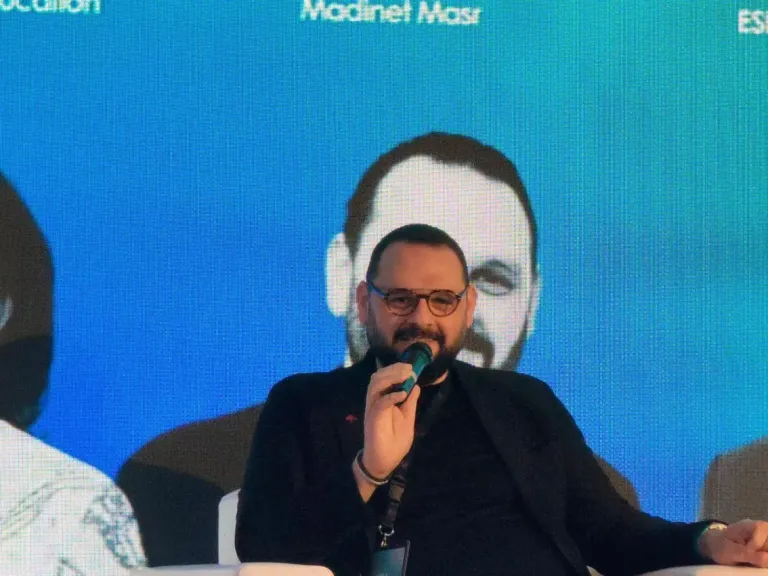
Abdallah Sallam, CEO of Madinet Masr, asserted that modern organizations face a rapidly evolving reality driven by swift technological advancements and shifting business models. Consequently, investing in continuous learning and skill development has become a core strategic necessity rather than an operational luxury for companies striving to maintain competitiveness and achieve sustainable growth.
Speaking at a panel discussion titled "Learning as a Future Equity" during the L&D HUB 2026 Conference—which brought together an elite group of executive leaders, HR experts, and development consultants—Sallam emphasized that future corporate success will not merely hinge on asset size or investment volume. Instead, it will depend on the capacity to build a workforce capable of learning and adapting to consecutive changes, noting that the human element has become the most decisive factor in corporate survival and expansion.
Sallam pointed out that fast-paced technological shifts are causing fundamental transformations across various sectors, forcing organizations to constantly reassess and upgrade the skill sets required within their teams to align with future market demands.
He added that companies succeeding in fostering a genuine learning culture within their workplace are significantly more resilient in facing challenges and seizing new opportunities compared to firms that treat training as an isolated activity detached from core business strategies.
According to Sallam, embedding a learning culture must originate from leadership itself. Learning and development must serve as a fundamental pillar of corporate governance and decision-making, rather than seasonal training programs or temporary initiatives. Organizations that integrate learning into daily operations yield superior results in productivity, innovation, and agility, while simultaneously improving talent retention and attraction.
He concluded by stressing that continuous professional development yields long-term returns and directly enhances overall organizational performance. Treating human capital development as a long-term investment rather than a short-term operational cost converts knowledge into tangible business value, empowering employees to drive corporate growth and navigate macroeconomic shifts seamlessly.
related topics
 MIDBANK Unveils ‘MID Academy’ 2026 Summer Internship for University Students
 L&D Hub Conference to Convene on June 13, Unveiling the Future of...
 Egypt’s FRA Partners with Arab Academy to Launch Specialized Postgraduate Programs for...
 Egypt Secures 9th Place Globally in Freelancing as MCIT Graduates 156,000 Digital...
 Madinet Masr Signs MoU with Coventry University Egypt to Bridge Academia and...
 Madinet Masr Signs Landmark Partnership with Qwell to Introduce Egypt’s First Integrated...
 Madinet Masr Signs MoU with Qwell to Launch Egypt’s First Smart Senior-Living...
 Madinet Masr Reports Solid Financial and Operational Performance for the First Nine...
 Madinet Masr Reports EGP 36.3 Billion in New Sales and 112% Surge...