National Council for Women Hosts Roundtable on Combating Digital Violence Against Women in Collaboration with FDC Summit
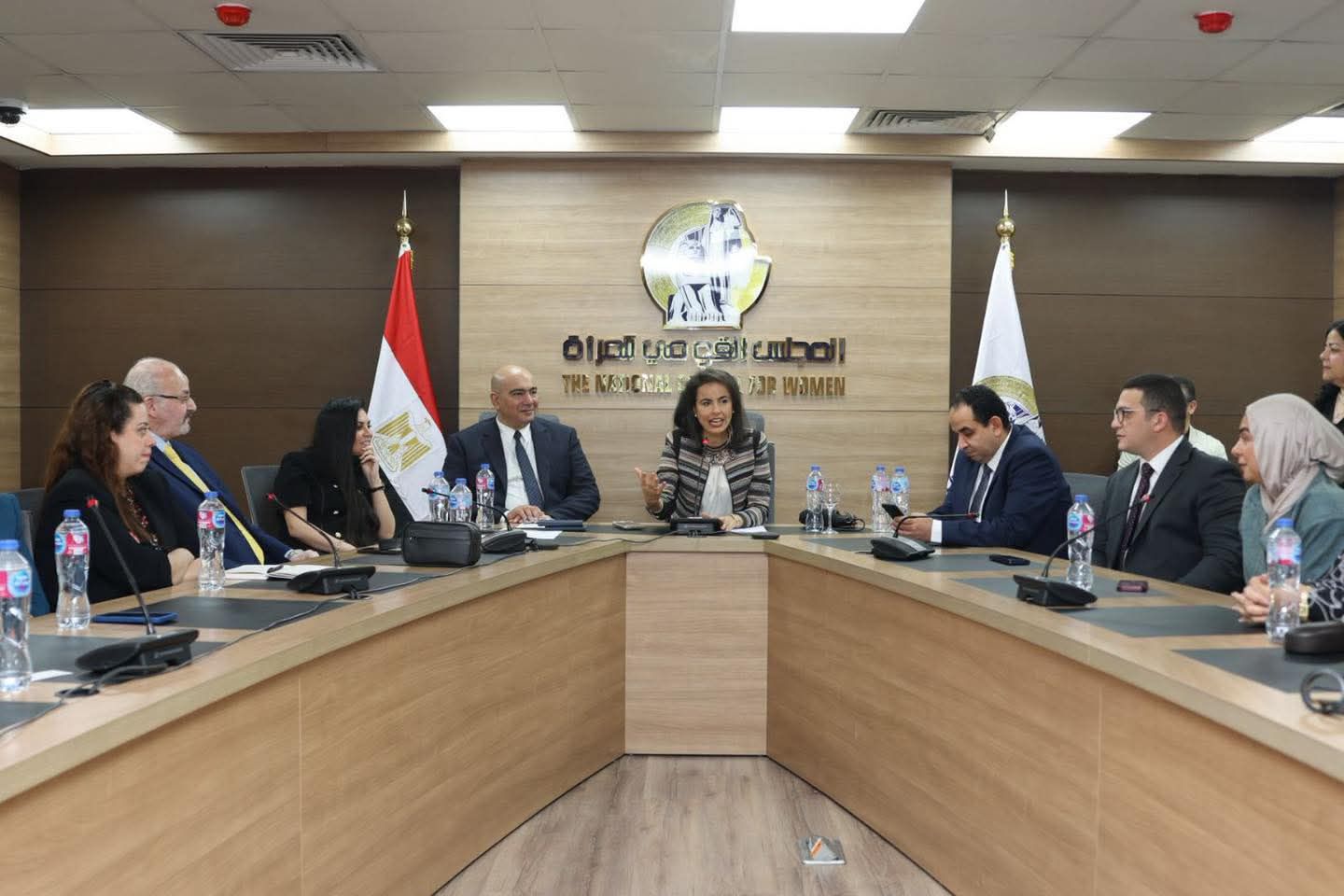
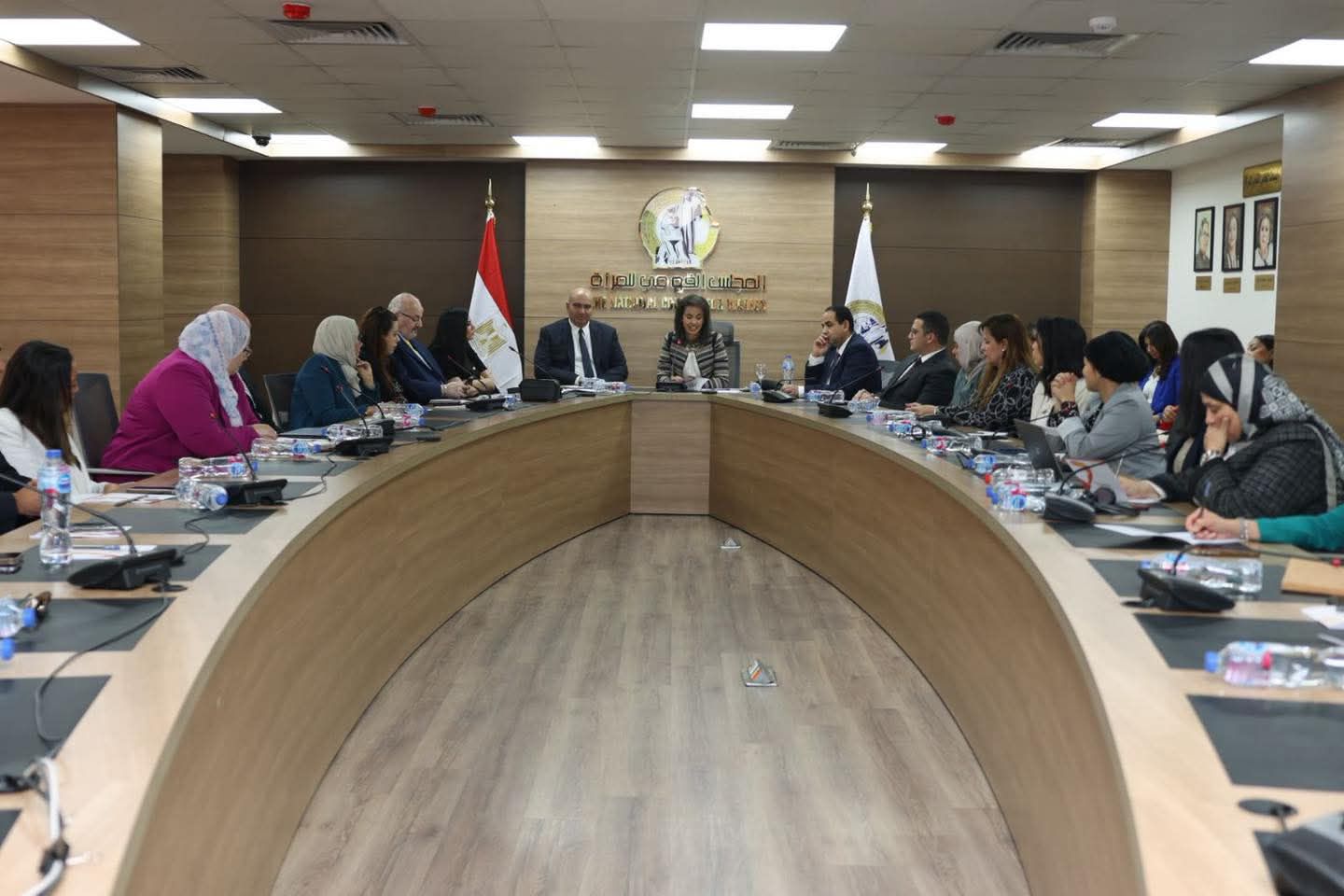
The National Council for Women (NCW) organized a high-level roundtable discussion titled “Combating Digital Violence Against Women: From Policy to Implementation,” in collaboration with FDC Summit, as part of ongoing national efforts to promote a safer and more inclusive digital environment for women.
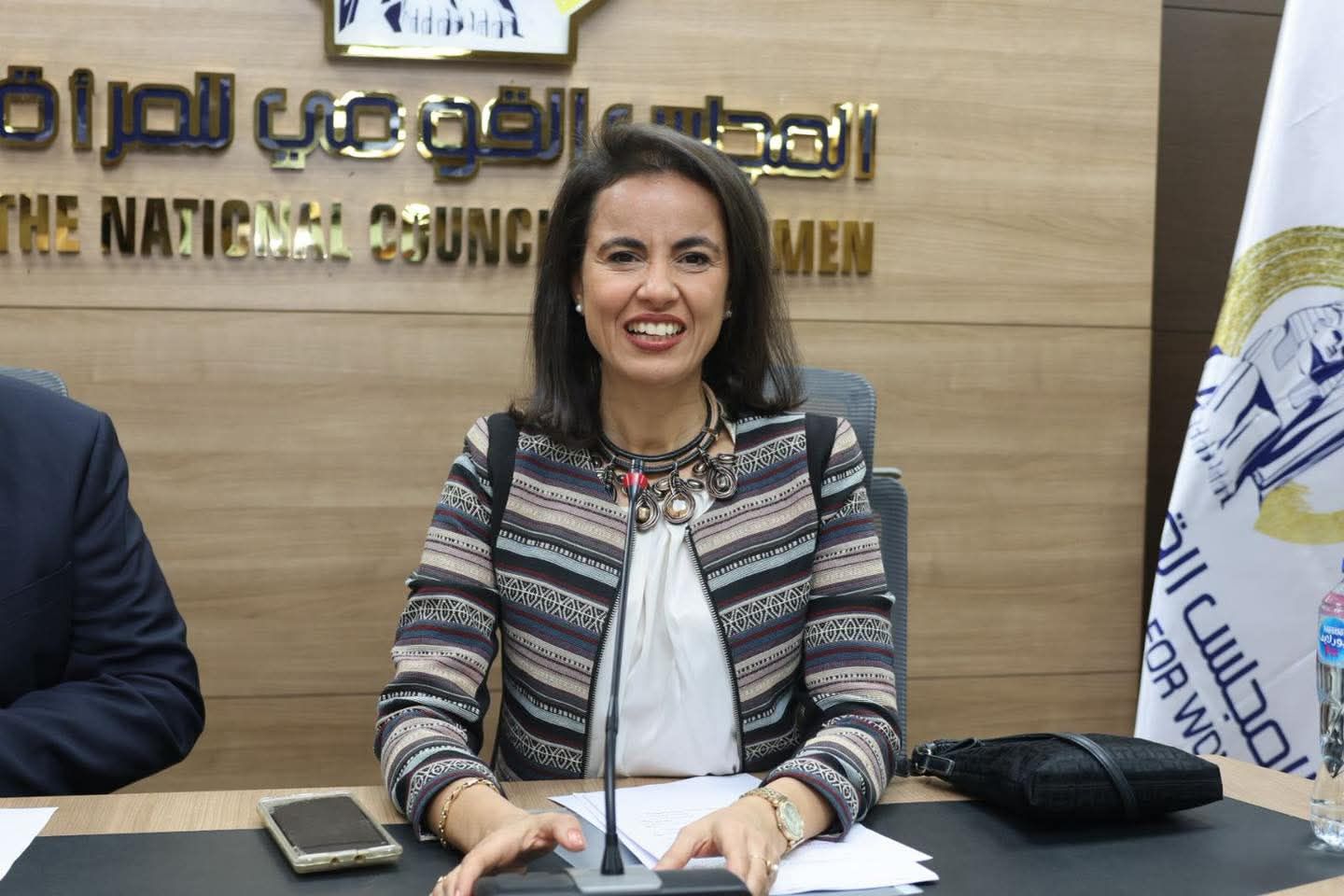
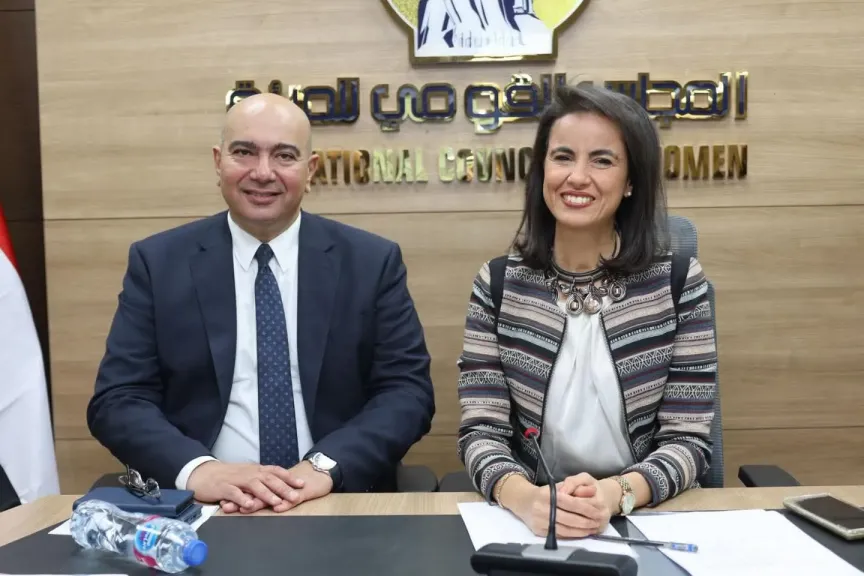
The session was chaired and moderated by Dr. Marian Amer Azer, NCW board member and Rapporteur of the Scientific Research, Technology, and Cybersecurity Committee. The event brought together Eng. Tarek Shabka, CEO of FDC Summit, Dr. Mohamed Hegazy, committee member, and a diverse group of policymakers, technology experts, representatives from government entities, private sector leaders, civil society organizations, and media professionals.
Speaking during the session, Dr. Azer emphasized that the roundtable reflects the council’s commitment to moving beyond identifying challenges toward implementing practical solutions. She noted that addressing digital violations against women requires not only robust policies and legislation but also effective enforcement mechanisms that ensure protection and support reach all women and girls, particularly within youth and university communities.
She highlighted the importance of strengthening coordination among stakeholders—including government bodies, technology companies, and civil society—to develop integrated and efficient responses. This includes simplifying access to reporting mechanisms and support services, as well as enhancing usability to encourage reporting.
Dr. Azer stressed that the success of these efforts depends on aligning policy frameworks with real-world implementation, alongside continuous monitoring and evaluation to address evolving digital threats.
For his part, Eng. Tarek Shabka described digital safety as a societal issue that impacts every household, calling for stronger collaboration between government, private sector, civil society, and international development partners. He underscored the importance of translating policies into actionable measures that deliver tangible impact and ensure a safer online environment for women.
The roundtable featured extensive discussions on the nature and impact of digital violations, including their psychological and social consequences. Participants also addressed the barriers women face in reporting such incidents and accessing support, as well as the effectiveness of existing policies and legislative frameworks.
Discussions further explored institutional and operational challenges that hinder implementation, the need for improved coordination among stakeholders, and the role of regulatory and government bodies in strengthening digital governance and protection mechanisms.
Participants also examined the responsibilities of social media platforms in handling harmful content, including response speed, transparency, and the development of user protection tools. Legal and regulatory aspects were also addressed, particularly in relation to data protection, privacy, and law enforcement.
The importance of awareness and capacity-building initiatives was highlighted, with calls for targeted campaigns aimed at students in universities and technical schools to raise awareness of digital risks and promote self-protection skills. The role of media and influencers in spreading digital safety culture was also emphasized.
The roundtable concluded with several key recommendations, including the development of clear implementation mechanisms to bridge gaps in existing policies and the launch of a national awareness campaign on digital safety.
The event was organized by the NCW’s General Department for Studies and Research in collaboration with the Scientific Research, Technology, and Cybersecurity Committee, reinforcing Egypt’s commitment to advancing digital inclusion and safeguarding women in the online space.