


FCC Bans Foreign-Made Routers Over National Security Concerns
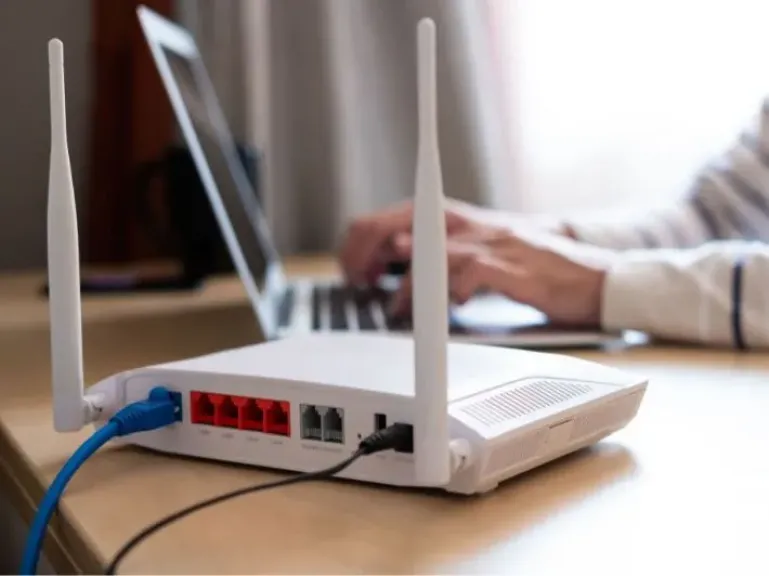
In a move reflecting rising concerns over cybersecurity threats, the Federal Communications Commission (FCC) has added foreign-manufactured routers to its list of prohibited devices, citing potential risks to national security.
Under the new ruling, no new foreign-made routers will be allowed on the U.S. market without special approvals. The restrictions currently apply only to future devices and do not affect routers already in use.
The decision is based on a recent security assessment warning that routers have become prime targets for cyberattacks, potentially enabling espionage on networks, disruption of communications, or theft of sensitive data, particularly in critical sectors. The report also noted the involvement of certain foreign-manufactured devices in high-profile cyberattacks targeting U.S. infrastructure, heightening concerns over possible “backdoors” that could allow unauthorized access.
Authorities reassured users that current devices do not require immediate replacement. Companies can apply for exemptions or adjust supply chains to comply with the new requirements. Among those affected, TP-Link faces increased scrutiny, potentially prompting operational restructuring to maintain its presence in the U.S. market.
Analysts suggest the move could reshape the U.S. router market, with expectations of reduced availability of low-cost products, alongside tighter oversight of digital infrastructure components to address growing threats.
related topics
 Truecaller and Cloudcom Partner to Elevate Egyptian Business Communication with Business Chat
 Kenzz and AMAN Partner to Launch Festive Shopping Campaign with Flexible Zero-Cost...
 Bitpanda Accelerates Global Expansion Through Partnerships with Banks Ahead of Potential IPO
 Samsung Electronics continues to enhance the
 Trojan Banker Attacks on Smartphones Surge by 56% in 2025, Kaspersky Report...
 Samsung Introduces Privacy Display on Galaxy S26 Ultra to Protect Screen Content...
 realme 15 Series Delivers Flagship Camera Power at Mid-Range Prices with Exclusive...
 Global Reports: Samsung’s New Privacy Display Feature Raises the Bar for Smartphone...
 Samsung Galaxy S26 Ultra Wins “Best Device” at MWC 2026 Global Mobile...
 FBI Detects Suspicious Cyber Activity Targeting Internal Networks
 An In-Depth Look at the New Galaxy S26 Series: AI Power at...
 HONOR and ARRI Join Forces to Bring Cinematic Image Science to Next-Generation...