


Egypt’s ICT Minister Outlines Five Strategic Priorities to Build a Sustainable Digital Economy
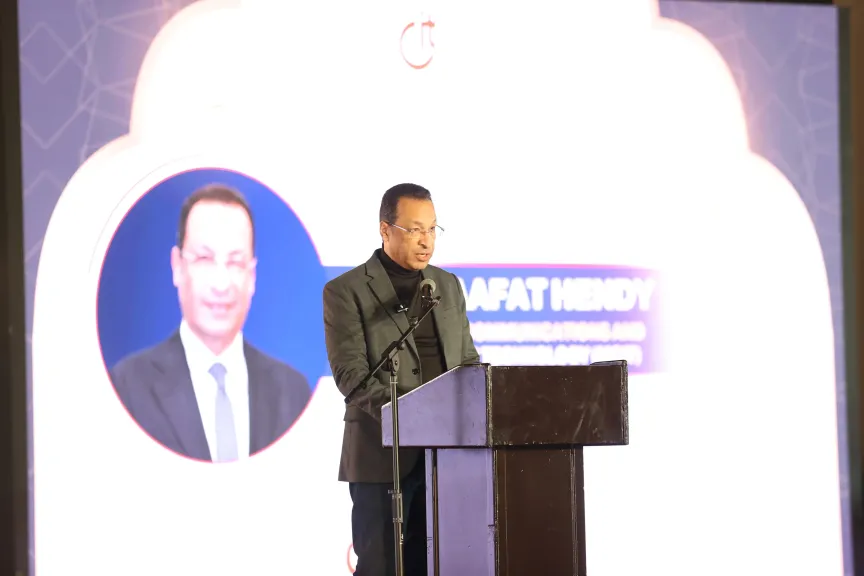
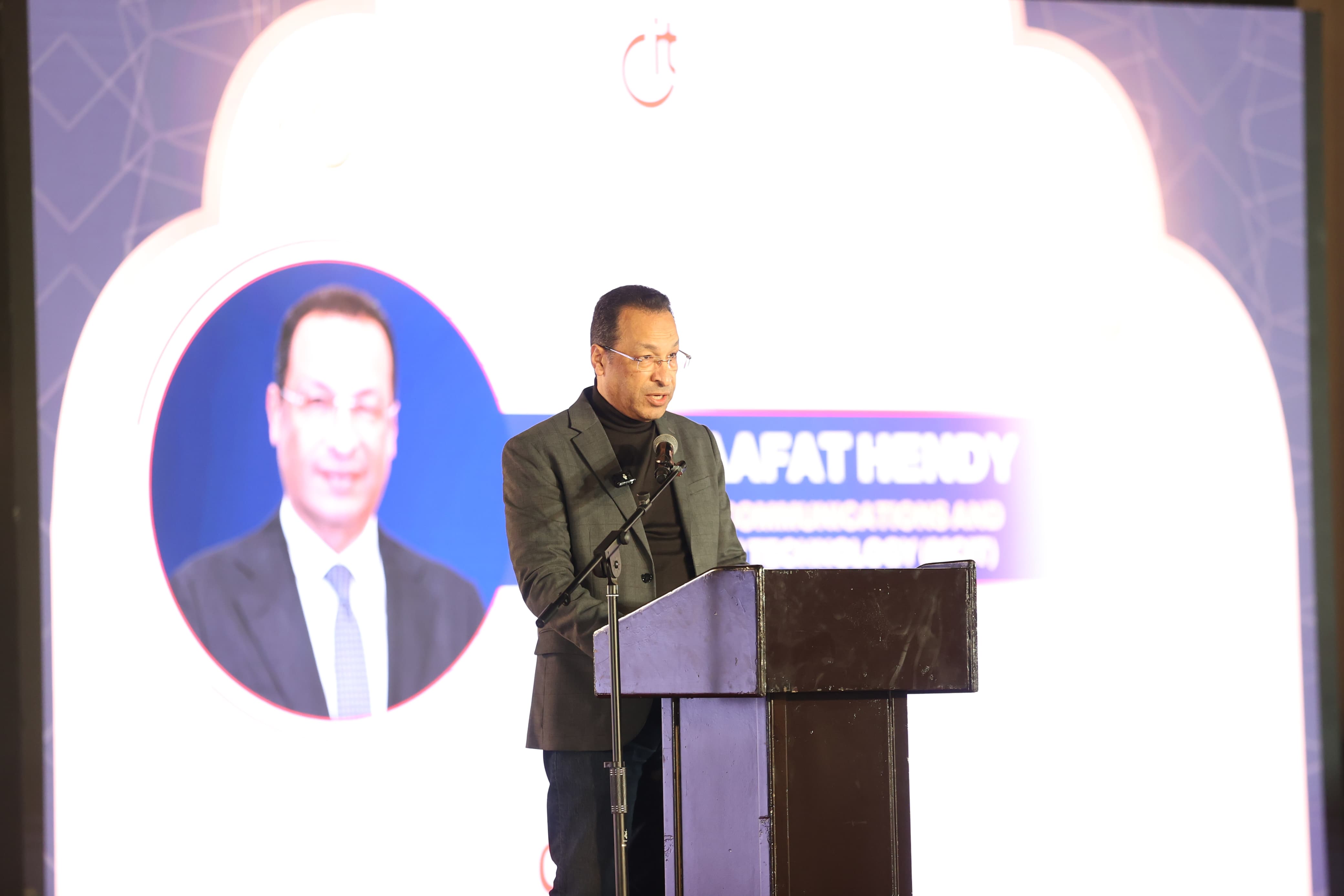
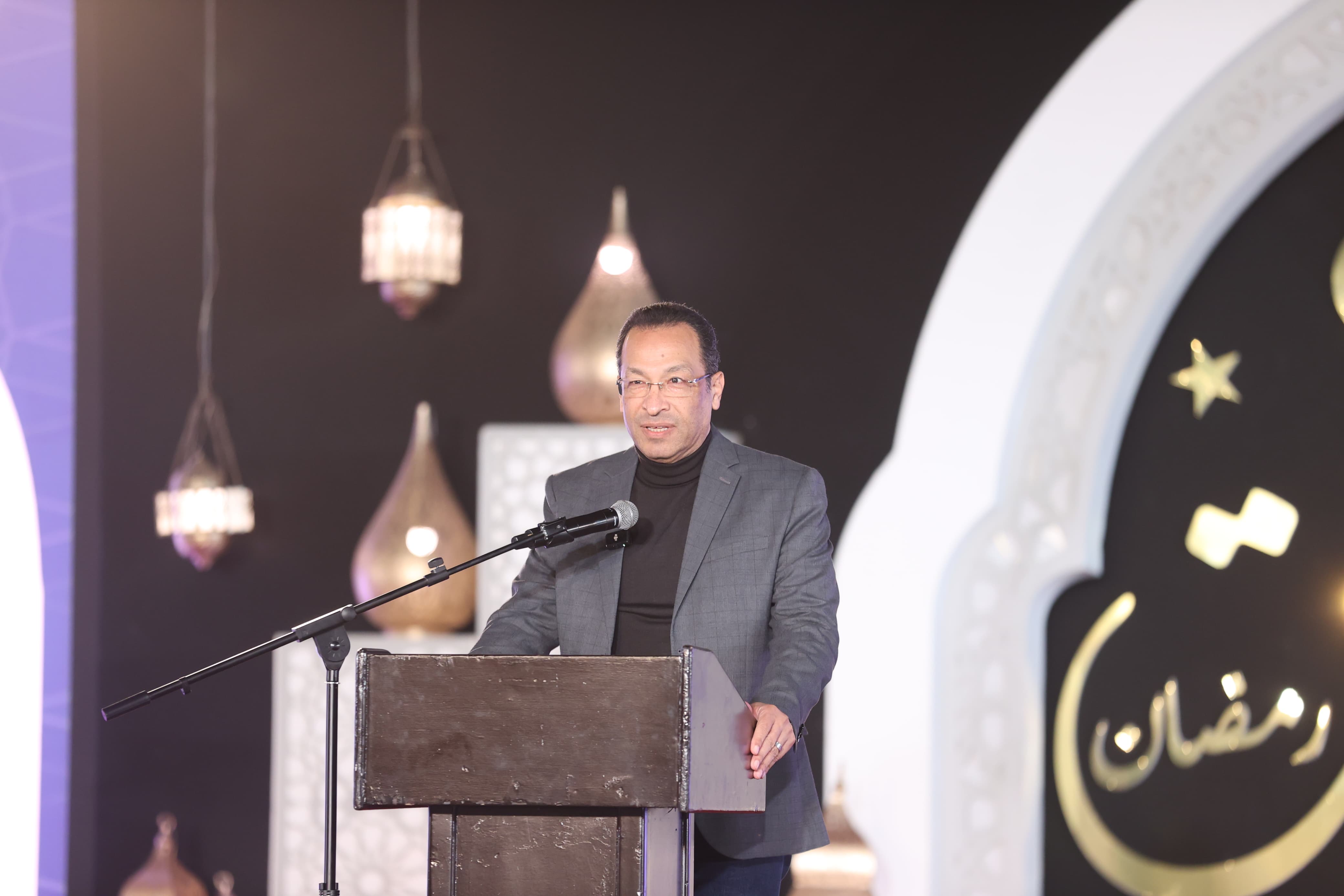
Raafat Hindi, Egypt’s Minister of Communications and Information Technology, outlined five key priorities that will guide the work of the Ministry of Communications and Information Technology Egypt during the coming period to support the development of a sustainable digital economy.
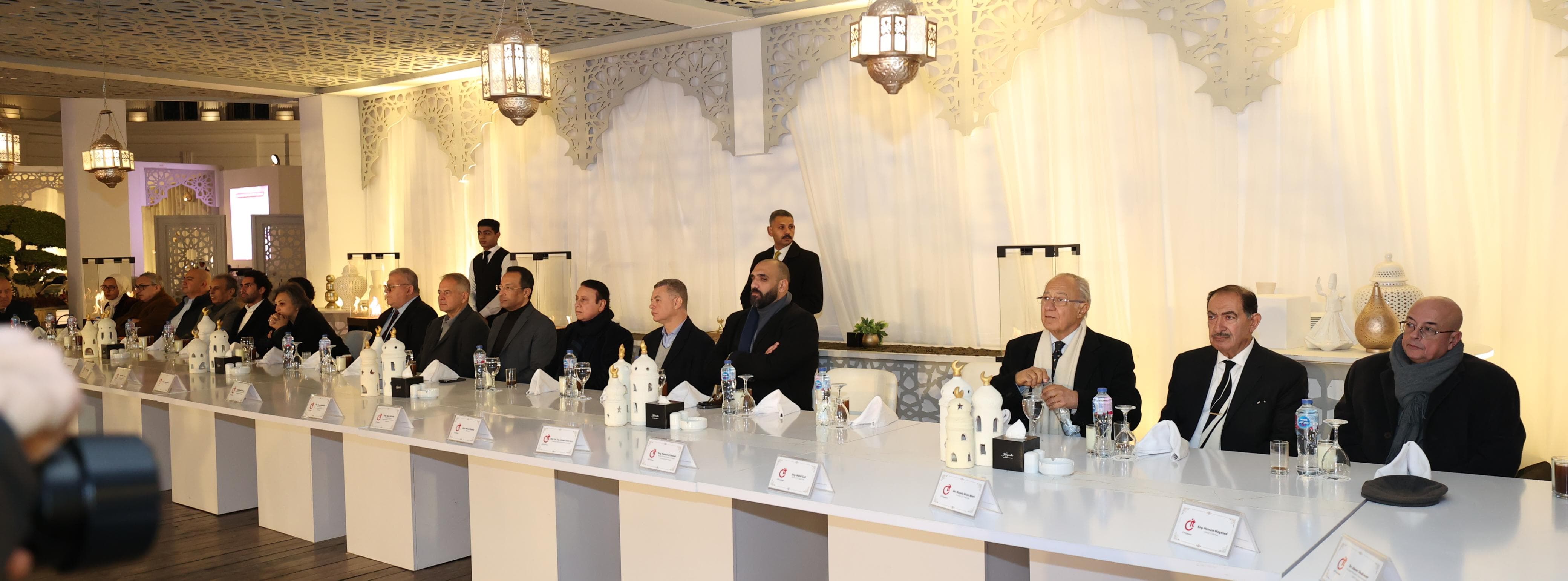
Speaking during the annual Suhoor event organized by the Chamber of Information Technology and Telecommunications, the minister emphasized that the ministry aims to expand opportunities for citizens to benefit from digital transformation, while leveraging technology as a key driver of economic and social growth.
The five priorities include:
Continuing the development of digital infrastructure and improving telecommunications services.
Accelerating digital transformation across government sectors.
Creating an investment-friendly business environment that supports innovation.
Adopting advanced technologies, particularly artificial intelligence.
Investing in human capital development to build highly skilled digital talent.
Hindi noted that the ministry has allocated 410 MHz of new spectrum capacity to Egypt’s four mobile operators to support the rollout of 5G networks and expand mobile coverage nationwide. The government is also continuing to deploy fiber-optic infrastructure in villages under the Decent Life Initiative, while expanding data centers to strengthen Egypt’s position as a regional data hub.
He also highlighted the ministry’s focus on expanding digital government services, implementing priority projects such as the comprehensive health insurance system, the unified citizen card, and remote digital identity verification services.
In addition, the ministry aims to boost digital exports and outsourcing services, encourage partnerships between local and international companies, and support the localization of technology and electronics manufacturing in Egypt.
Hindi added that Egypt is advancing the second phase of the national AI strategy, including enabling startups and private sector companies to develop applications using the Arabic large language model “Karnak,” developed by the ministry’s Applied Innovation Center.
He stressed that developing digital skills and specialized technology training programs remains a cornerstone of Egypt’s strategy to build a competitive workforce capable of supporting the country’s digital transformation.
related topics
 Geidea Egypt Partners with ESLSCA University to Introduce Advanced Digital Payment Solutions
 Communications and Information Technology, with the participation of council members and experts...
 RAKICT Launches Global Initiative to Strengthen Cybersecurity Skills in the Age of...
 Singapore’s Manufacturing Sector Embraces AI and Advanced Technologies to Boost Productivity
 QNB Egypt Launches Short-Term Digital EGP Deposit Available Exclusively via Online Banking...
 Fawry and Erada Finance Deepen Partnership to Accelerate Digital Financing for SMEs
 Mobile Subscribers in Egypt Reach 123 Million in Q4 2025, Driven by...
 Fawry and Erada Finance Expand Strategic Partnership to Accelerate Digital Transformation in...
 Raya Holding Reports EGP 63.8 Billion in Revenue for 2025, Up 41%...
 ChatGPT Approaches One Billion Weekly Users as Global AI Adoption Accelerates
 Meta Creates New AI Unit to Accelerate Innovation and Integrate Research Efforts
 ICT Misr Delivers 50% Business Growth in 2025, Driven by Banking Sector...