


Egypt’s Agriculture Ministry Launches First ‘Living Lab’ to Explore the Future of Wheat Innovation
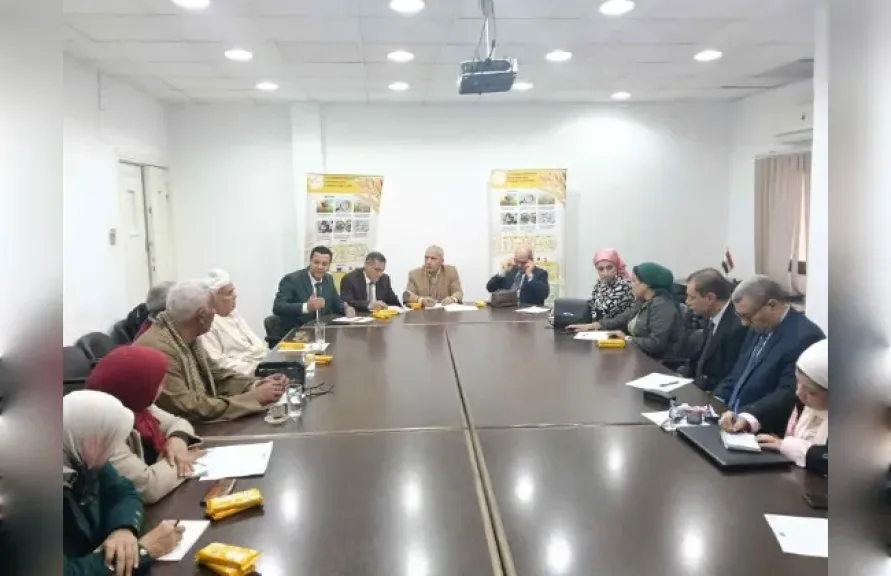
The Ministry of Agriculture and Land Reclamation has launched Egypt’s first Wheat Value Chain Living Lab, marking a major step toward advancing agricultural innovation and modern extension systems to boost the productivity of one of the country’s most strategic crops.
The initiative was introduced by the Field Crops Research Institute, affiliated with the Agricultural Research Center, under the patronage of Alaa Farouk, Minister of Agriculture and Land Reclamation. The Living Lab represents a globally recognized, next-generation agricultural advisory model designed to explore the future of wheat innovation through real-world experimentation.
The Living Lab is one of the key outcomes of the Support to Policies and Dynamic Structures Enhancement Project, funded by the European Union, and implemented under the supervision of Dr. Adel Abdel Azim, President of the Agricultural Research Center. The project aims to improve wheat productivity and increase overall national output.
The launch event was attended by senior officials and experts, including Dr. Maher Al-Maghrabi, ARC Vice President for Production Affairs; Dr. Moahed Ammar, Head of the Field Crops Research Institute; and Dr. Khaled Gad, Deputy Head of the Institute for Extension and Training, alongside leading researchers, scientists, wheat farmers, and representatives of civil society organizations.
The Wheat Value Chain Living Lab is the first platform of its kind in Egypt, designed as an interactive ecosystem that digitizes and accelerates wheat innovation “from field to consumer.” It creates a realistic testing environment that brings together farmers, researchers, manufacturers, bakeries, and consumers under one framework to co-develop practical solutions.
The Ministry of Agriculture said the initiative aligns with directives from the political leadership to adopt non-traditional solutions for increasing the productivity of strategic crops. It stressed that the Living Lab’s role extends beyond improving on-farm yields to covering the entire wheat journey, from developing climate-resilient seed varieties to enhancing bread quality and reducing waste.
The project focuses on piloting modern irrigation techniques and bio-fertilization to increase per-feddan yields while lowering input costs. It also explores innovative solutions for storage and transportation to minimize post-harvest losses, as well as methods to enhance the nutritional value of wheat-based products in cooperation with operating bakeries. Consumers will be engaged in evaluating final products to ensure alignment with health standards and public taste preferences.
Built on the principles of open innovation, the Living Lab tests solutions in real fields and bakeries to ensure immediate applicability, transforming academic research into tangible outcomes that support the national economy. It is also expected to serve as a strategic compass guiding agricultural investments and policies toward a more sustainable future.