


Nvidia Reinstates Jensen Huang as CEO: Why Shares Jumped 31.5% and What It Means for the AI Industry
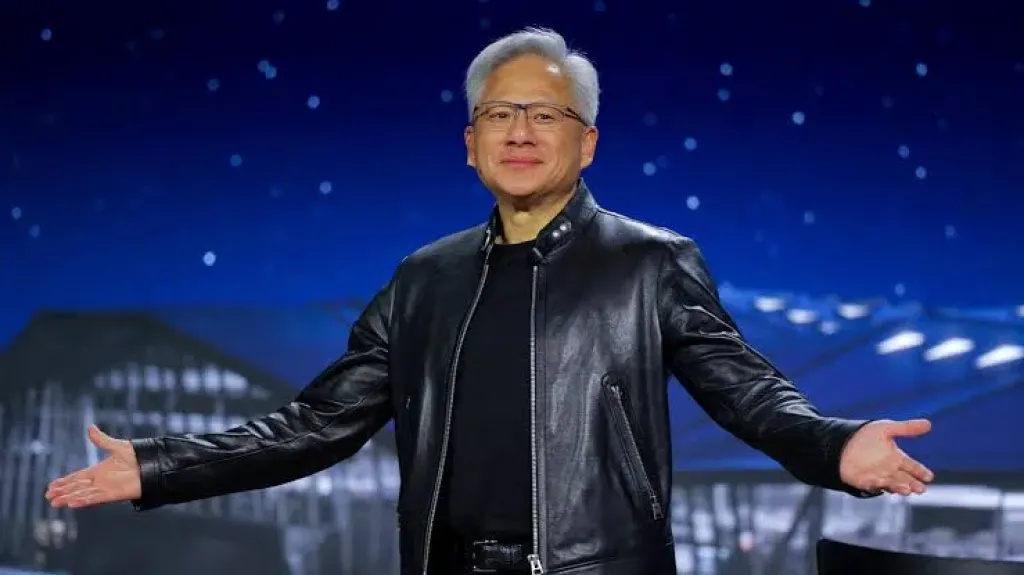
Nvidia's decision to reinstate co-founder Jensen Huang as chief executive sent shockwaves through global financial markets, triggering a 31.5% surge in the company's shares on November 23, 2026. The rally followed an extraordinary reversal by the company's board, which restored Huang to the top position less than two weeks after his resignation and the appointment of Chief Financial Officer Colette Kress as interim CEO. The move highlighted how closely investors associate Nvidia's future with the leadership of its co-founder and the broader expansion of artificial intelligence.
What Happened at Nvidia?
Huang resigned as Nvidia's president, CEO and board member on November 12, amid a controversy involving allegations about his personal conduct and concerns related to a suspected foreign intelligence operation.
Following his departure, Colette Kress took over as interim CEO while the board considered the company's leadership arrangements.
On November 23, Nvidia announced that its board had unanimously voted to reinstate Huang with immediate effect. The company said the decision followed a series of discussions and meetings with Huang, as well as input from senior US government officials. The board stated that it was satisfied with his candor and ability to lead the company and believed his return posed no national security risk.
US President Donald Trump also said he had helped persuade the board to reverse its earlier decision, adding a political dimension to an already extraordinary corporate leadership dispute.
Why Did Nvidia Shares Jump 31.5%?
Investors viewed Huang's return as more than an executive appointment. It removed a major source of uncertainty surrounding the leadership of one of the world's most important artificial intelligence companies.
Nvidia has evolved from a graphics processor manufacturer into a central supplier of the infrastructure powering modern AI. Its products include advanced computing chips, data-center systems and software platforms used by technology companies to train and operate increasingly sophisticated AI models.
Huang has played a central role in shaping Nvidia's product strategy, maintaining relationships with major customers and expanding the company's position across the global technology industry.
His sudden departure therefore raised concerns about strategic continuity, customer relationships and the company's ability to maintain its investment and development plans.
According to Reuters market data, Nvidia shares gained 31.5% on November 23, adding nearly $1 trillion to its market capitalization. The Nasdaq Composite advanced 6.51%, while the S&P 500 rose 4.73% during the same session.
What Does This Mean for the AI Industry?
Nvidia's influence extends well beyond its shareholders. Its chips are essential components of the infrastructure used by cloud providers, technology companies and data-center operators to develop and deliver AI services.
Leadership stability can help reassure investors and customers about the company's product roadmap, production plans and long-term investment commitments.
The implications also extend to other semiconductor manufacturers and companies building AI infrastructure. Nvidia's performance influences investor sentiment across an ecosystem that includes chip suppliers, server manufacturers, cloud platforms and data-center operators.
The company's leadership reversal helped revive confidence in AI-related stocks, with semiconductor and data-center companies also recording significant gains. However, the market recovery does not eliminate concerns about the enormous cost of AI infrastructure or whether future revenues will justify current spending levels.
How Could Ordinary Users Be Affected?
For everyday users of AI applications, Nvidia's leadership decisions may seem distant from their immediate concerns. However, the company supplies much of the computing infrastructure that makes these services possible.
More powerful and efficient processors could eventually support faster AI applications, expand the availability of advanced services and reduce operating costs for providers, provided those efficiency gains are passed on.
Nvidia's ability to meet global demand for advanced chips can also influence the cost of building and operating data centers, which in turn affects cloud computing prices and the economics of digital subscriptions.
Nevertheless, a 31.5% increase in Nvidia's share price does not automatically translate into cheaper AI subscriptions or better services for consumers. Such outcomes depend on production costs, competition, infrastructure investment and the pricing strategies of service providers.
Are Nvidia's Challenges Over?
Huang's reinstatement does not mean all of Nvidia's challenges have disappeared. The company continues to face scrutiny over export controls, particularly restrictions governing advanced AI chips destined for China, alongside investigations announced by its board.
Investors must also consider wider questions about the sustainability of AI investment, including the ability of technology companies to generate sufficient returns from the billions of dollars being spent on computing infrastructure.
The renewed attention surrounding Nvidia was also visible in Egypt's Google search trends. The company's name appeared among trending search topics on November 9, 2026, three days before Huang's resignation. This reflects growing public interest in Nvidia, although it does not establish a connection between those searches and the subsequent leadership controversy.
related topics
 Jensen Huang’s Return Sends Nvidia Shares Surging 31.5%, Reviving Wall Street’s AI...
 Nvidia Reinstates Jensen Huang to Executive Leadership and Establishes Independent National Security...
 Egypt’s 2030 AI Plan: 30,000 Specialists and 3 Applications to Optimize Public...
 Zoho Desk Celebrates 10 Years in MENA Among the Top Selling...
 AI Data Centers and Hybrid Cloud: Dell Technologies Showcases Dell AI Factory,...
 AI-Powered Infrastructure and Integrated Cybersecurity: Cisco Showcases Hypershield Ecosystem, Sustainability, and Circular...
 Madbouly Discusses Deepening Mobile Phone Manufacturing and Stabilizing Prices in the Egyptian...
 Lafarge/Holcim Egypt CEO: AI Cuts Production Downtime to Two Hours as Company...
 Al Safy Group and ESLSCA University Sign Cooperation Agreement to Develop Talent...
 Raya Information Technology and Nutanix Sign Strategic Cooperation MoU to Advance Cloud...
 Huawei Introduces 3 Smart Factories and a Hybrid Infrastructure to Advance AI...
 Finance and Tech Leaders Chart Roadmap for ”Sustainable Growth” and Navigating Market...
