


Egypt’s 2030 AI Plan: 30,000 Specialists and 3 Applications to Optimize Public Finance
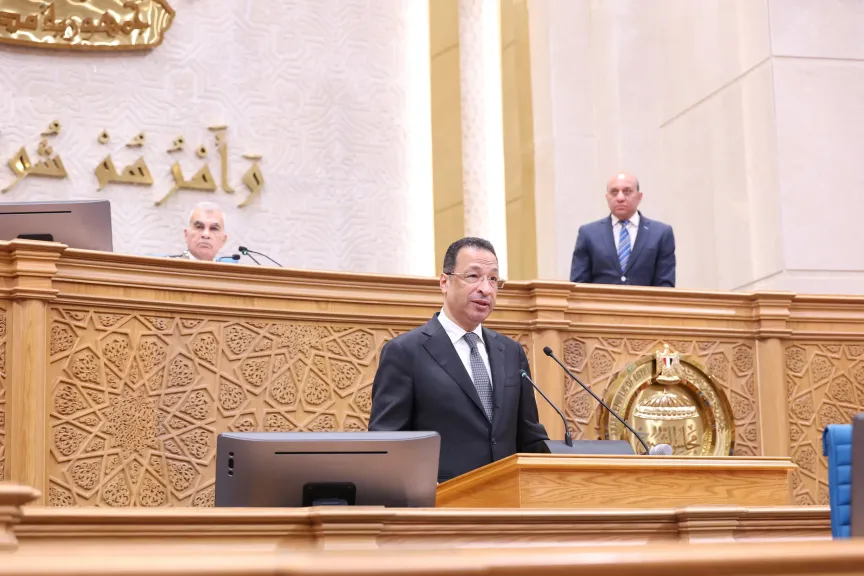
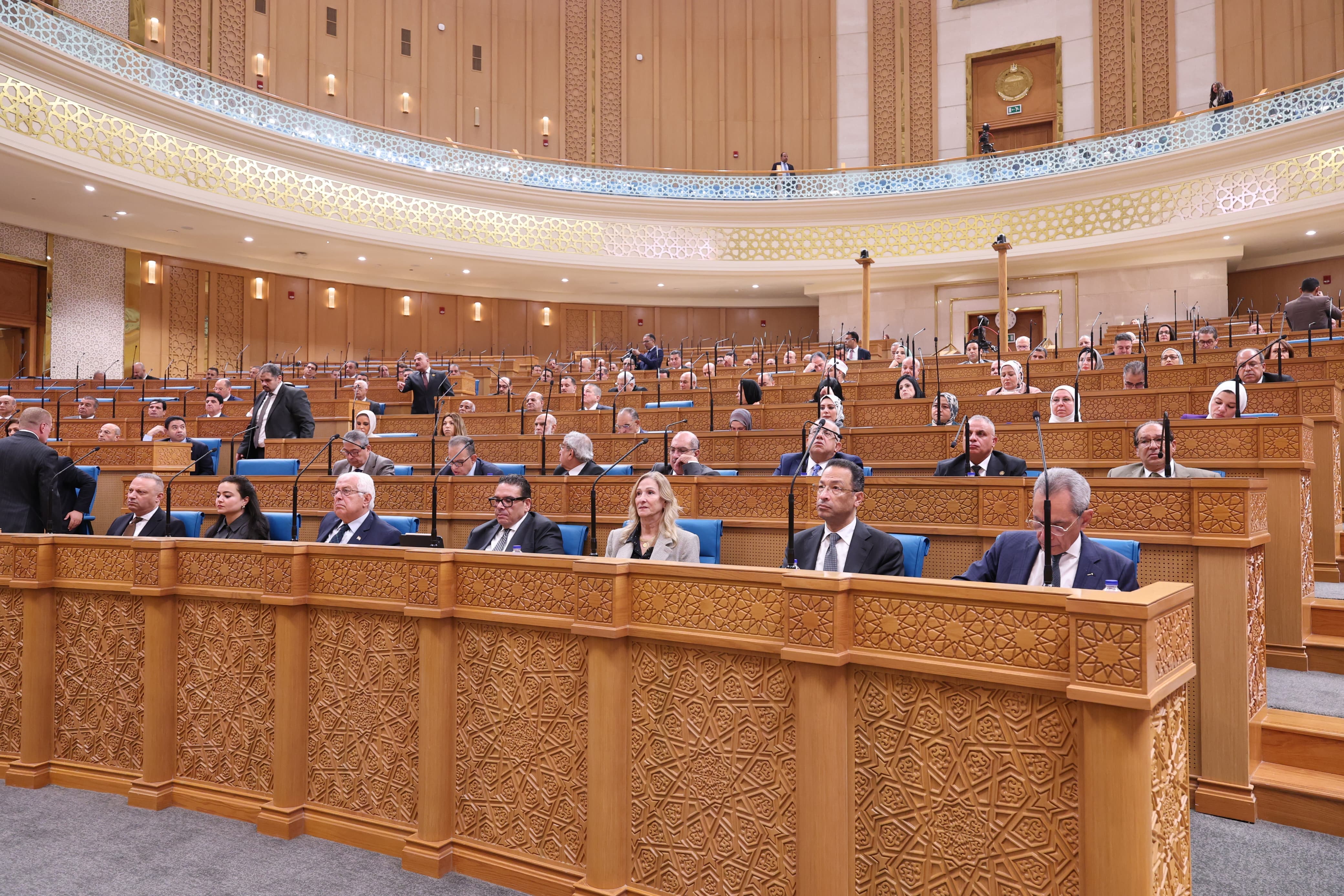
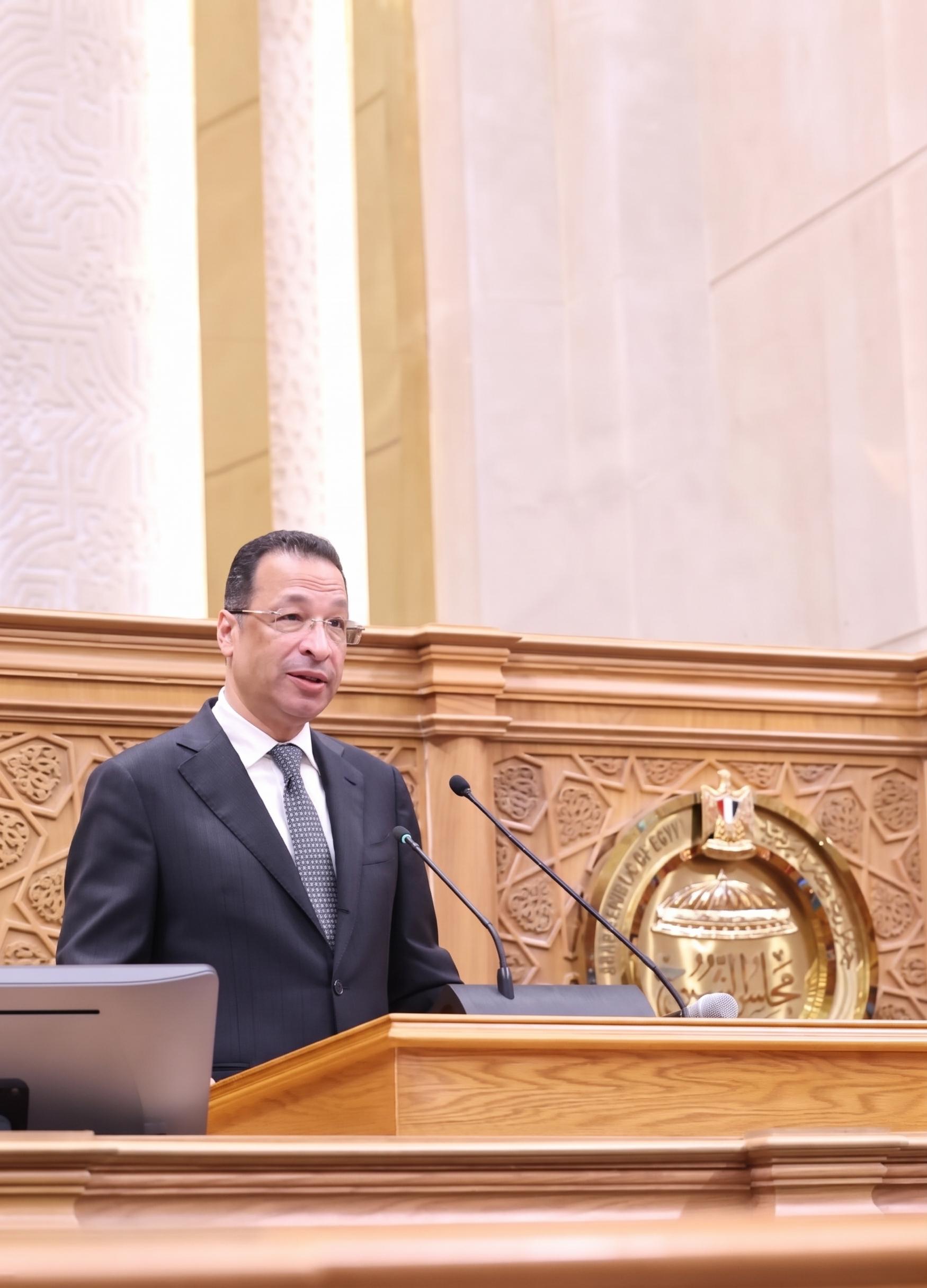
Eng. Raafat Hendy, Minister of Communications and Information Technology, outlined Egypt’s vision for localizing Artificial Intelligence (AI) technologies and leveraging them to support the economy and manage public finance. His remarks came during a plenary session of the Egyptian Senate, chaired by Counselor Essam Farid, to discuss a study titled "Artificial Intelligence as a Strategic Tool in Managing Egypt's Economy and Public Finance," submitted by MP Ahmed Abou Hashima and prepared by a joint parliamentary committee.
The Minister explained that the world is moving beyond traditional digitization toward the analytical and predictive use of data in decision-making and budget preparation. He noted that the Ministry’s goals align with the study's objective of establishing proactive economic management that enhances public spending efficiency and maximizes developmental returns.
A Leap in Global Rankings and New Strategy Pillars
Hendy reviewed the state's trajectory, which began in 2019 with the establishment of the National Council for Artificial Intelligence, followed by the Applied Innovation Center in 2020, leading up to the launch of the second edition of the National AI Strategy (2025–2030). The new strategy rests on six pillars: Governance, Data, Infrastructure, Technology and Applications, Ecosystem, and Capacity Building, alongside expanding the Council’s scope to include quantum computing. He highlighted that these efforts propelled Egypt up 59 spots since 2019 in the Government AI Readiness Index, ranking 1st in Africa, 3rd in the Arab world, and 51st globally in 2025.
Local Innovations and the "Karnak" Language Model
The Minister spotlighted the Applied Innovation Center’s role in developing homegrown solutions tailored to Egyptian identity. These include early-detection applications for breast cancer and diabetic retinopathy, judicial assistance systems and automated speech-to-text transcription for court records, as well as the educational platforms "Sia" and "Lughat." He also highlighted the "BelMasry" app for speech recognition and machine translation, alongside the Egyptian Large Language Model "Karnak," designed to empower local companies and researchers to build their own applications.
2030 Targets and Data Governance
Hendy announced that Egypt’s 2030 roadmap aims to train over 30,000 AI specialists and support the establishment of at least 250 startups, while simultaneously attracting investments in data centers and advanced computing capabilities. He reaffirmed Egypt’s commitment to responsible governance frameworks through the issuance of the Egyptian Charter for Responsible AI and the Generative AI Guidelines.
3 Priority Applications for Public Finance Management
Hendy pointed out that Egypt's existing digital infrastructure—which connects 105 government entities and 100 national databases via the Government Digital Exchange (G2G)—provides a solid foundation for implementing the study's recommendations. He revealed a phased pilot plan, in cooperation with the Ministries of Finance and Planning, to launch three priority economic applications:
Developing models for accurate forecasting of public revenues.
Real-time monitoring and forecasting of macroeconomic indicators.
Analyzing public expenditure variances to improve resource allocation efficiency.
The Minister concluded his remarks by emphasizing the protection of digital sovereignty and data security. He stressed that AI remains an assistive tool for decision-makers without replacing human and legal accountability, calling for an institutional culture that treats data as a national asset to boost the productivity and competitiveness of the Egyptian economy.
related topics
 Banque Misr Launches BM Pay for Contactless Payments on Android Phones via...
 Zoho Desk Celebrates 10 Years in MENA Among the Top Selling...
 Cairo University Crowns 8 Winning Teams with EGP 560,000 in Prizes at...
 Central Bank of Egypt Enables Payment Card Tokenization on Android Devices
 AI Data Centers and Hybrid Cloud: Dell Technologies Showcases Dell AI Factory,...
 AI-Powered Infrastructure and Integrated Cybersecurity: Cisco Showcases Hypershield Ecosystem, Sustainability, and Circular...
 Madbouly Discusses Deepening Mobile Phone Manufacturing and Stabilizing Prices in the Egyptian...
 Lafarge/Holcim Egypt CEO: AI Cuts Production Downtime to Two Hours as Company...
 Hossam Ezz: ”Success Arrogance” Threatens Corporate Leadership.. The Future Lies in Business...
 Al Safy Group and ESLSCA University Sign Cooperation Agreement to Develop Talent...
 Arab African International Mortgage Finance Appoints Hassan Abdelnabi as Managing Director to...
 Raya Information Technology and Nutanix Sign Strategic Cooperation MoU to Advance Cloud...
