


Global Humanoid Robot Sales Hit 7,000 Units in 2025 as IFR Initiates Dedicated Tracking
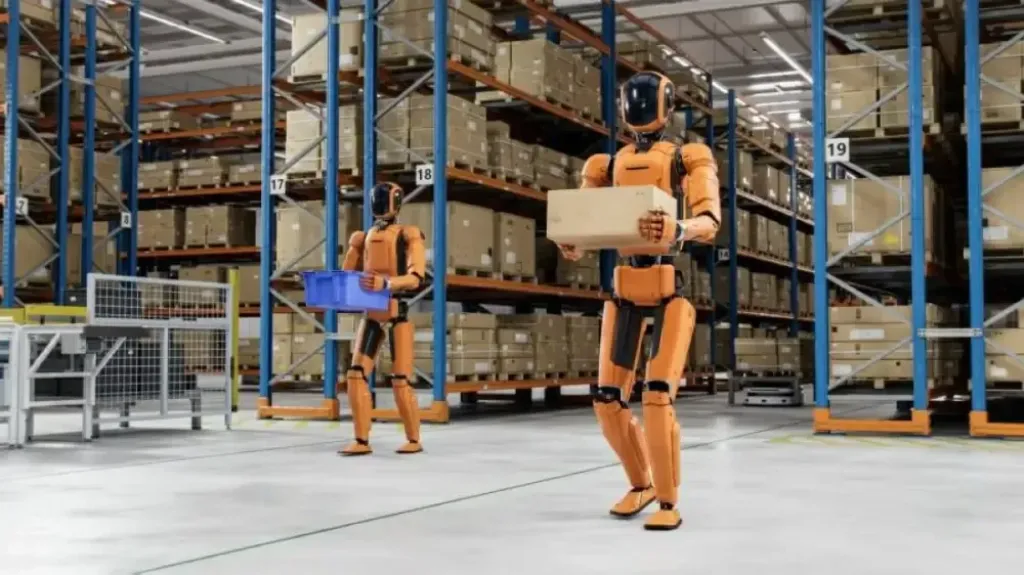
Global sales of humanoid robots reached approximately 7,000 units in 2025 for industrial and professional service applications, according to newly compiled data from the International Federation of Robotics (IFR). While this figure represents a fraction of the broader robotics market, it marks the first time the IFR has independently tracked humanoid data in its three-decade history. The milestone highlights a nascent sector that is attracting billions of dollars in capital investment, driven by anticipated demand booms in major industrial hubs like China.
Market Scale and Adoption Trends
The IFR defines humanoid robots by their human-like appearance and capacity to operate autonomously within human-designed environments, noting that bipedal legs are not a strict classification requirement.
Current deployment patterns reflect an industry transitioning from pure research to early-stage commercial piloting:
Robotics CategoryGlobal Unit VolumePrimary Applications & Market Status
Humanoid Robots~7,000 (2025)R&D, data collection, AI model training, and limited single/double-digit pilot programs on automotive assembly lines.
Traditional Industrial~542,000 (2024)Widespread heavy manufacturing and automated assembly line operations.
Service Robots~199,000 (2024)Specialized commercial use cases including logistics, transport, hospitality, and cleaning.
R&D Over Production
IFR General Secretary Susanne Bieller noted that the vast majority of humanoids sold in 2025 were not deployed for active production tasks. Instead, they were acquired by research institutions and technology firms to harvest real-world physical data essential for training advanced artificial intelligence models. The broader comprehensive 2025 dataset for traditional industrial and service robots is scheduled for release by the IFR on September 24.
related topics
 Anthropic Reveals Claude Now Drives 26% of Internal R&D, Stoking Recursive Self-Improvement...
 China's High-Tech FDI Surges 35.1% in First Eight Months Despite Overall Investment...
 Former Petroleum Minister: Natural Gas Expansion Curbs Butane Demand; Energy Security Vital...
 Oil Prices Extend Declines as Saudi Arabia Reroutes Crude Shipments via Oman...
 Giza Chamber of Commerce and Chinese Delegation Explore Healthcare and Smart City...
 UAE’s InfraX and Huawei Deepen Strategic AI and Digital Infrastructure Ties During...
 China's Economic Pressures Intensify in August 2026 as Retail Sales and Investment...
 China Rejects US Tech Leaders' Calls for AI Pause Amid Escalating Strategic...
 China Dismisses US AI Risk Warnings, Criticizes Geopolitical Confrontation in Global Tech...
 China's NEVs Hit Record 60.6% Market Share in August Amid Export Boom
 Trump Says He is Open to Chinese Automakers Building Factories in the...
 Abu Dhabi’s Mubadala Backs China's Luckin Coffee in $1 Billion Deal with...