


Bank of England to Halt Sales of Long-Dated Gilts Amid Mounting Quantitative Tightening Losses
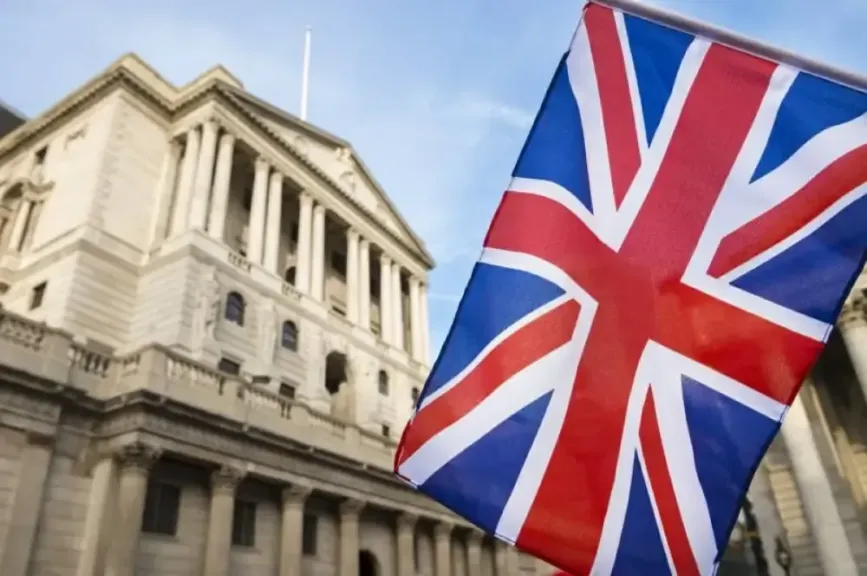
The Bank of England (BoE) is preparing to suspend the sale of long-dated UK government bonds (gilts) with maturities of 20 and 30 years as part of a strategic restructuring of its Quantitative Tightening (QT) program. According to reports from The Telegraph on Tuesday, the move aims to mitigate mounting financial losses incurred from offloading debt in a heavily depreciated global bond market.
The revised operational plan is expected to be formally announced this Thursday, coinciding with the Monetary Policy Committee's (MPC) latest interest rate decision.
Adjusting the Quantitative Tightening Strategy
Under the proposed framework, the BoE will proceed with the active unwinding of its massive balance sheet, but it will strategically ring-fence its long-duration holdings:
Targeted Exclusions: The central bank will exclude government bonds with maturities exceeding 20 years from active market sales.
Stemming Losses: The policy pivot is designed to stem multibillion-pound losses. The BoE originally acquired these gilts during periods of ultra-low interest rates (Quantitative Easing). As global yields have surged, the capital value of these bonds has plummeted, forcing the bank to crystallize massive losses when selling them back into the open market at current depressed prices.
Balance Sheet Evolution & Scale
The Bank of England amassed an unprecedented portfolio of government debt to stimulate the economy following the 2008 financial crisis and the 2020 pandemic, peaking at nearly £895 billion.
Current Holdings: As of the end of June 2026, the portfolio held for monetary policy purposes had been reduced to £521.8 billion through a combination of active sales and natural bond maturities.
Long-Dated Exposure: Within the remaining portfolio, long-dated gilts (20+ year maturities) account for approximately £150 billion. Shielding this specific tranche from active sales will significantly alter the maturity profile of the bonds returning to the open market, potentially easing some upward pressure on long-term UK borrowing costs.
related topics
 S&P Affirms Ras Al Khaimah's Credit Rating at 'A/A-1' with Stable Outlook
 Copper Prices Extend Declines as Uncertainty Over Potential US Tariffs Sparks Long-Unwinding
 Speculators Turn Net Long on Japanese Yen for First Time Since February...
 Tesla to Unveil Long-Delayed Next-Gen Roadster on October 1 Amid Strategic Pivot...
 DPI Venture Capital Completes 19 Investment Deals in 18 Months, Emphasizes Long-Term...
 Apple Launches Watch Series 12 and Ultra 4 with Upgraded Biometrics and...
 LONGi Tops Global Solar Panel Shipments in H1 2026, Debuts 'LONGi ONE'...
 Iran Lifts Decade-Long Ban on Government Agencies Using Foreign Social Media Platforms
 UK Treasury Cuts Discount Rate to Boost Long-Term Infrastructure Investment
 91% of UAE Professionals Plan to Stay as LinkedIn Finds a Workforce...
 ICE: Brent Crude Speculators Boost Net Long Positions by Over 11,000 Contracts...
 Rees Tech Inks 3 Strategic Partnerships with Global Giants LONGi, AIKO, and...