


Tesla”s FSD Subscriptions Surge 56% to 1.48 Million, Offsetting Stock Pressures with High-Margin Recurring Revenue
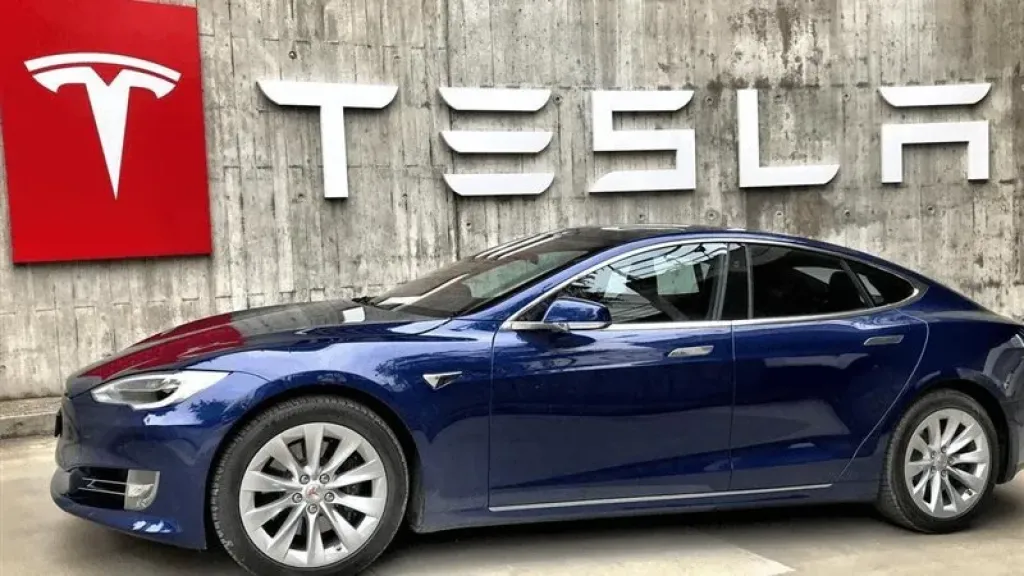
Tesla has faced significant downward pressure on its stock performance in 2026, dropping by approximately 28% since the beginning of the year. This pressure intensified following the release of its second-quarter earnings, amid rapidly rising capital expenditures. This surge in spending has impacted profitability margins and earnings, raising investor concerns about the automaker's ability to generate sufficient returns on its massive investments.
Despite these challenges, Tesla's autonomous driving business continues to achieve remarkable growth. Active subscriptions to its Full Self-Driving (FSD) service (Supervised) rose to approximately 1.48 million by the end of the second quarter, registering a 56% year-over-year increase.
With a monthly subscription price of $99, the service's projected annual recurring revenue stands at nearly $1.8 billion, making it one of the company's fastest-growing revenue streams.
Although subscription revenues still account for a limited percentage of Tesla's total revenues—which reached approximately $94.8 billion last year—they boast significantly higher profit margins than the core electric vehicle (EV) manufacturing and sales business. This grants subscriptions an outsized contribution to operating profits relative to their revenue share.
This performance reinforces Tesla's strategic shift toward diversifying its income sources away from full reliance on vehicle sales, especially as global EV market competition intensifies and pressure mounts on prices and profit margins.
The company is betting heavily on the continued growth of its FSD subscriber base as the adoption of the technology expands and its capabilities progressively improve. This trajectory could transform digital subscriptions into a primary pillar for sustaining corporate profits in the coming years.
On the other hand, this path is not without its hurdles. The most prominent challenges include the need to continue investing aggressively in the development of artificial intelligence (AI) and autonomous driving technologies. Additionally, navigating strict regulatory requirements and securing necessary approvals across different global markets are factors that could impact the pace of the service's rollout and the realization of anticipated returns.
Nevertheless, market observers believe that Tesla's success in increasing its reliance on recurring revenues from subscriptions and digital services could mitigate its dependence on the cyclical auto sales market. This shift would provide its business model with greater resilience and flexibility, particularly if the FSD service sustains its current growth rates and high profit margins.
related topics
 SpaceX Stock Drops 19.7% Below IPO Price, Echoing Tesla’s Early Market Volatility
 Elon Musk Refuses to Rule Out Potential Tesla-SpaceX Merger as Synergies Deepen
 Alphabet's Google Cloud Transforms into Primary Profit Engine with 82% Revenue Surge...
 US Tech Giants' AI Infrastructure Costs Outpace Cash Flow Expansion, LSEG Analysis...
 TSMC Accelerates Arizona Expansion with Additional $100 Billion Investment Amid Surging AI...
 Amazon Aims to Raise $25 Billion in Bond Offering to Fuel AI...
 The Future of Mobility: Feasibility, Global Expansion, and Challenges of Self-Driving Taxis
 Elon Musk Caps Tesla Employees' AI Spending at $200 Weekly While Exempting...
 Microsoft Halts $3 Billion Cloud Infrastructure Leasing Talks with Oracle Over FedRAMP...
 Tesla Delays Highly Anticipated Roadster Unveiling to August Amid Ongoing SpaceX Tech...
 Alphabet Upsizes Share Offering to $84.75 Billion to Fuel AI and Cloud...
 TMG Secures Baghdad Investment License for Landmark $18.8 Billion Smart City Project