


SpaceX Stock Drops 19.7% Below IPO Price, Echoing Tesla’s Early Market Volatility
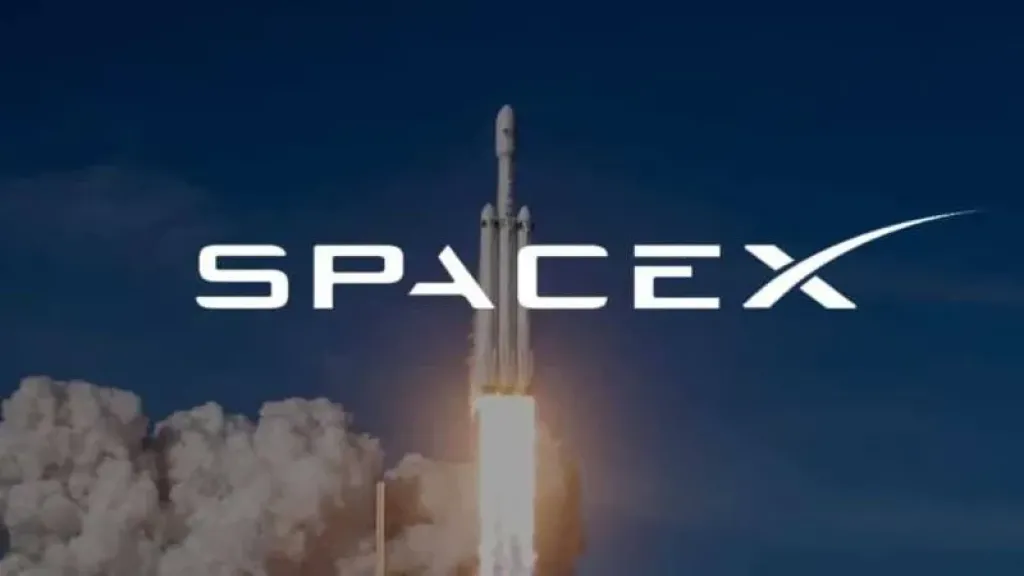
SpaceX stock has dropped to $108.37, falling approximately 19.7% below its Initial Public Offering (IPO) price of $135. This decline follows a strong post-listing rally, prompting investors to question the stock's future and whether it will replicate the early market trajectory of Tesla.
SpaceX recorded the largest IPO in history last June, with shares opening at $150, surpassing the subscription price, before continuing their ascent to $225 in the following weeks. However, a wave of profit-taking and selling pressure pushed the stock down to settle at $108.37, erasing most of its initial gains and trading below the IPO price.
SpaceX's market capitalization currently stands at around $1.48 trillion, compared to its peak valuation of approximately $3 trillion when the stock hit $225. This indicates that the company has lost nearly $1.5 trillion of its market value since its post-listing peak. The stock has also plummeted by about 51.8% from its all-time high, although it remains above pre-IPO valuation levels.
Analysts argue that this performance does not necessarily reflect the company's long-term potential. They cite the experience of Tesla, also led by American billionaire Elon Musk, which witnessed sharp stock volatility following its market debut before eventually transforming into one of the financial market's most prominent success stories.
After Tesla's listing on June 29, 2010, its stock fell by roughly 18% during the first two months of trading. It later regained momentum and closed its first year up by about 18%, driven by expansion plans and the launch of the Model S, which marked a turning point in the company's journey.
SpaceX shares similarities with Tesla in its reliance on innovation and vertical integration. The company has revolutionized the space launch industry by developing reusable rockets, thereby reducing launch costs and cementing its position as one of the world's leading commercial launch service providers.
The company is banking on its Starship project—the fully reusable super-heavy-lift launch vehicle—as its primary growth engine in the coming years. Its capacity to carry significantly larger payloads than the Falcon 9 could lead to reduced launch costs and improved future profit margins.
Additionally, the Starlink satellite internet network represents a major future growth driver. As the company continues to expand its low Earth orbit (LEO) satellite constellation and roll out global connectivity services, it creates a growing revenue stream alongside its rocket launch operations.
Despite ongoing Starship tests, observers believe the program's success could provide SpaceX with a massive boost. This could materialize through an increased cadence of satellite launches or the execution of more complex space missions, potentially enhancing the company's long-term valuation.
Investors are closely watching SpaceX’s performance during its first year as a publicly traded company. Many are betting on Elon Musk’s ability to replicate the Tesla playbook, overcoming early volatility to eventually build one of the world's largest and most valuable enterprises.
related topics
 Apple and Nvidia Take Opposing Paths in the AI Race: A Wall...
 SpaceX's First Post-IPO Earnings Call: Retail Investors Shift Focus to Starship, Mascots,...
 Elon Musk’s X Accuses Australia of Undermining US Law with Teen Social...
 Apple Reclaims World's Most Valuable Company Title, Surpassing Nvidia Amid AI Chip...
 AM Best Affirms Misr Life Insurance Ratings at 'B++' with Stable Outlook...
 SHEIN Reports $99 Million Quarterly Loss Ahead of Hong Kong IPO Amid...
 Egyptian Tax Authority Announces New Tax Incentives to Boost the Stock Market
 Elon Musk Refuses to Rule Out Potential Tesla-SpaceX Merger as Synergies Deepen
 Egyptian Exchange Gains EGP 64 Billion in Shortened Holiday Trading Week
 Elon Musk’s Neuralink Nears $42 Billion Valuation in Secondary Markets Amid Rising...
 FRA Launches First National Training Program to Prepare State-Owned Enterprises for EGX...
 SpaceX in Advanced Talks with Pentagon over Multi-Billion Dollar Military AI Computing...