


Women Comprise 53% of Microfinance Beneficiaries in Q1 2026, FRA Announces at Sustainable Development Seminar
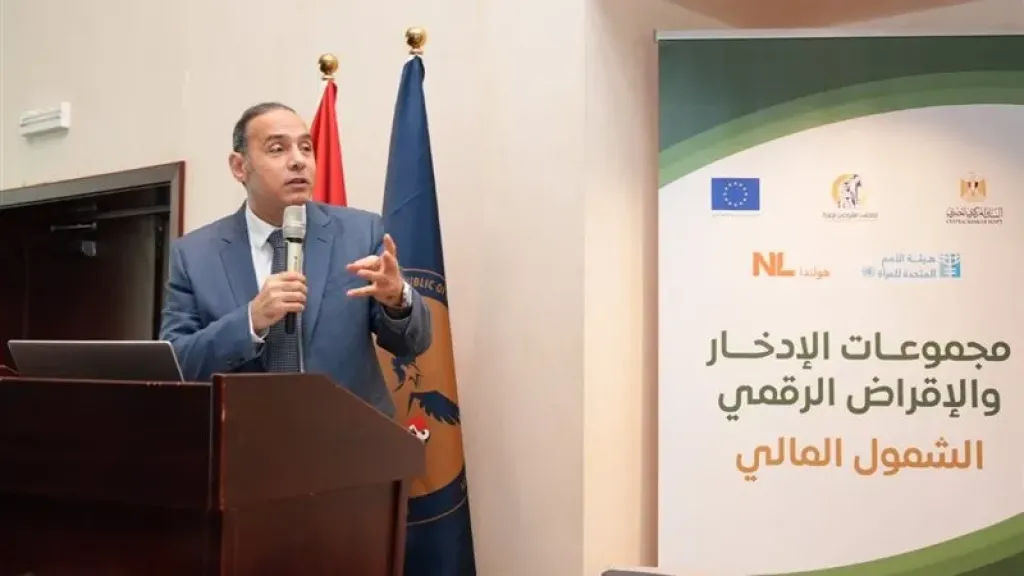
Dr. Islam Azzam, Chairman of the Financial Regulatory Authority (FRA), announced that women accounted for 53% of the total beneficiaries in the microfinance sector during the first quarter of 2026, totaling 1.8 million women. Furthermore, the financing balances granted to female clients represented approximately 45% of the sector's total portfolio, which reached EGP 74 billion.
These figures were revealed during a high-level seminar titled "Financial Inclusion and Sustainable Development," organized by the FRA in strategic partnership with UN Women, the National Council for Women (NCW), the European Union (EU), and the Embassy of the Netherlands.
Financial Inclusion as a Growth Engine
Dr. Azzam emphasized that financial inclusion has evolved beyond merely providing access to financial services; it is now a primary engine for macroeconomic growth. He reiterated the FRA's commitment to continuously upgrading the legislative and regulatory framework governing non-banking financial activities to ensure a wider base of beneficiaries.
A central priority for the Authority is promoting financial literacy and encouraging innovative financial products tailored to underserved segments, particularly women and youth in remote areas.
UN Women and the "Tahwesha" Initiative
Marwa Alam El-Din, Acting Head of the UN Women Egypt Office, stated that investing in women's economic empowerment is a fundamental necessity for achieving inclusive growth and sustainable equity. She highlighted the broader societal impacts of this empowerment, including enhanced family stability and greater access to education and healthcare.
Alam El-Din specifically pointed to the "Tahwesha" program—launched in partnership with the NCW, the Central Bank of Egypt (CBE), the EU, and the Netherlands. The initiative serves as a pioneering model for digital transformation and financial inclusion tailored for rural women, providing them with secure digital financial services, and boosting their capacities in financial management, savings, and entrepreneurship.
Key Panel Discussions
The seminar featured an opening address by Dr. Rehab Taha, Assistant Chairman of the FRA, followed by two primary panel discussions that explored the intersection of gender, finance, and sustainability:
Panel SessionKey Focus AreasProminent Participants
Session 1: Gender and Financial InclusionDiscussed strategic frameworks for expanding women's empowerment, adapting to changing financial needs, and optimizing lending procedures.Moderated by Yasmine Hassan (FRA). Panelists included Dr. Amal Salah (FRA), Eng. Amr Soliman (Tahwesha Project), and Magdy Moussa (Microfinance Expert).
Session 2: Sustainable Finance and Rural WomenExplored practical socio-economic challenges facing women-led micro-enterprises and highlighted successful market models and governance.Moderated by Engy Amin (UN Women). Panelists included Dr. Tarek Seif (FRA/RCSF), Dr. Yasmine Fouad (AUC), Dr. Hala Abou El-Saad (Egyptian Microfinance Federation), Nesma El-Gharably (MSMEDA), and Mohamed Abdel Halim (Fawry Microfinance).
The event concluded with a strong consensus on the need to maintain robust cooperation with international institutions and development partners. Stakeholders agreed that transferring global best practices is vital to injecting greater dynamism into the non-banking financial market and ensuring the sustainable protection of women from digital and financial vulnerabilities.