


Saudi Arabia Extends $3 Billion Loan to Pakistan; Total Financial Exposure Rises to $8 Billion
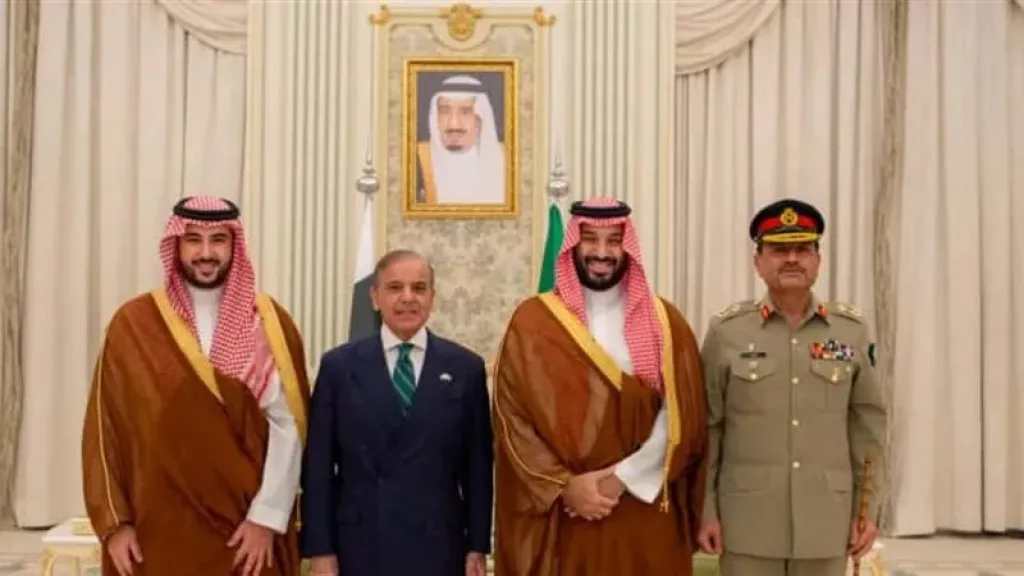
Pakistan has successfully secured a critical extension for a $3 billion Saudi deposit. Reported by Daily Pakistan, this development is designed to fortify Islamabad’s foreign exchange reserves and alleviate immediate pressures on its external financing requirements while the government pushes forward with structural fiscal reforms.
Official Confirmation and Context
Pakistan’s Finance Minister, Muhammad Aurangzeb, officially confirmed the completion of the loan extension during a meeting of the Senate Standing Committee on Finance. The announcement resolves days of speculation regarding the fate of the funding, which had reached its maturity date this week.
The $3 billion deposit was originally placed by the Kingdom of Saudi Arabia in April 2026 for a three-month tenure, specifically to assist Islamabad in settling a maturing financial obligation owed to the United Arab Emirates. Following the conclusion of a high-level diplomatic visit by Finance Minister Aurangzeb and Federal Power Minister Sardar Awais Leghari to Riyadh, the Saudi government agreed to roll over the facility.
Deepening Gulf Commitments and IMF Dynamics
The continuation of Saudi financial backing comes at a pivotal moment for Pakistan, which is currently navigating a $7 billion International Monetary Fund (IMF) program. To secure macroeconomic stability, a trio of regional allies—Saudi Arabia, China, and the UAE—have collectively committed to maintaining $12.5 billion in sovereign deposits at the State Bank of Pakistan until September 2027.
Following a reduction in the UAE's direct financial support levels, Saudi Arabia stepped forward to expand its commitments. This brings Riyadh's total financial exposure to Pakistan to approximately $8 billion, cementing its position as one of Islamabad's most vital financial anchors.
Long-Term Energy and Debt Restructuring Talks
Building on this financial momentum, the Pakistani government is currently negotiating a long-term $6.7 billion deferred oil payment facility with Saudi Arabia spanning a 15-year period. The mechanism aims to lock in energy security and insulate the domestic economy from volatile global fuel import costs amid compounding regional geopolitical friction.
Simultaneously, Islamabad is actively examining broader avenues to extend foreign debt maturities. This includes ongoing talks to restructure outstanding power sector debts owed to Chinese energy firms operating under the China-Pakistan Economic Corridor (CPEC) by stretching out payment schedules over longer horizons to decrease immediate liquidity strain.
related topics
 Food Export Council and NFSA Successfully Conclude Workshop on Chinese Market Access
 Egyptian Food Exports to China Surge by 151% in 2025, Reaching $137...
 Egypt’s Food Industry Expands Global Footprint: Growing Demand Across US, EU, and...
 Chemical Export Council Targets Africa, China, and Europe to Drive Trade and...
Chocolate and Frozen Strawberries Drive Growth in Egyptian Food Exports During 2026...
 Egyptian Students Shine at Huawei ICT Competition 2025-2026 Global Finals in China
 Nvidia Outperforms Wall Street Expectations with $81.6B Q1 Revenue; Data Center Segment...
 HSBC Launches $4 Billion Funding Program to Support Global Expansion of Chinese...
 Tech Titans Left Empty-Handed in Beijing: Why Trump’s China Summit Failed to...
 The AI Surge: China’s Tech Exports Hit Record Highs Despite Tightening Sanctions
 U.S. Probes Illegal Nvidia Chip Pipeline to Alibaba via Thai Intermediaries Amid...
 AI Price War: China’s DeepSeek Slashes API Fees by 75% to Challenge...