


AI Data Centers Spark Concerns Over Rising U.S. Electricity Prices
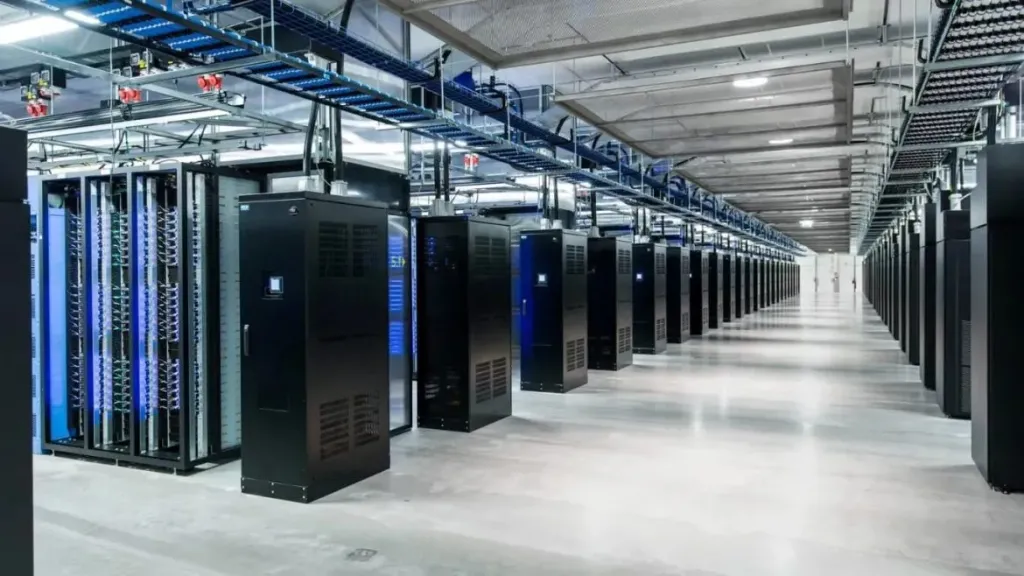
Major technology companies are facing mounting pressure over the impact of AI data centers on U.S. electricity prices, amid questions from consumers and policymakers about whether these facilities are contributing to higher residential energy bills.
Large-scale data centers built by so-called hyperscalers, including Google, Amazon, and Microsoft, have drawn growing criticism from local communities that once welcomed tech investments. Residents argue that the high power demand from these centers strains the grid, increasing costs for other users.
Since 2020, U.S. residential electricity rates have risen more than 36%, from $0.1276/kWh to $0.1744/kWh in February 2026, and are projected to reach $0.1901/kWh by September 2027, according to the U.S. Energy Information Administration.
Reports from research firms such as SemiAnalysis suggest that data center expansion is only part of the story, and that market design and policy decisions play a larger role in price increases. For instance, mechanisms like the Base Residual Auction have contributed to higher electricity costs in regions such as PJM Interconnection, covering 13 eastern states. In contrast, areas like Texas, overseen by ERCOT, have seen relative price stability despite AI data center growth.
To address concerns, companies have announced plans to cover additional electricity costs or rely on renewable energy sources. For example, Microsoft pledged in January to cover any extra costs from its new data centers, followed by similar commitments from Anthropic. The U.S. President also convened AI executives to confirm a “Subscriber Protection Pledge”, ensuring no additional costs are passed to consumers.
Experts note that these pledges face challenges, as the AI industry is not yet highly profitable, and renewable energy commitments may encounter obstacles under current U.S. policies. However, analysts suggest honoring these promises could benefit public relations and reduce the likelihood of regulatory intervention.
With global demand for data centers continuing to rise, alternative and renewable energy sources will become increasingly critical, especially given long wait times for new grid connections, which can span 4–6 years in major markets and up to 10 years in cities like Tokyo.
related topics
 Google Does Not Rule Out Ads in Gemini AI App, Focuses on...
 African Startups Raise $575 Million in Early 2026 as Investment Shifts Toward...
 Elon Musk Warns About Accelerated AI Use Following Amazon Technical Glitches
 PhonePe Leads UPI Digital Payments in February with 9.28 Billion Transactions Worth...
 Nvidia Invests $2 Billion in Nebius to Expand Global AI Data Infrastructure
 Sweden’s Lovable Reaches $400 Million in Annual Recurring Revenue as AI Coding...
 Amazon Egypt Launches Eid Al-Fitr Sale from 10–16 March with Hundreds of...
 Karm Holding’s Venus Secures EGP 70 Million Sharia-Compliant Financing from Banque Misr...
 AWS Launches Amazon Connect Health to Automate Administrative Tasks in Healthcare
 Amazon Withdraws Sponsorship of Paris Book Festival After Booksellers’ Boycott
 CVS Health Partners with Google Cloud to Launch AI-Powered Digital Health Platform
 Crypto Miners Shift Strategy as AI Data Centers Offer Higher Returns Than...