


SpaceX Weighs Dual-Class Share Structure Ahead of Potential IPO to Preserve Musk’s Control
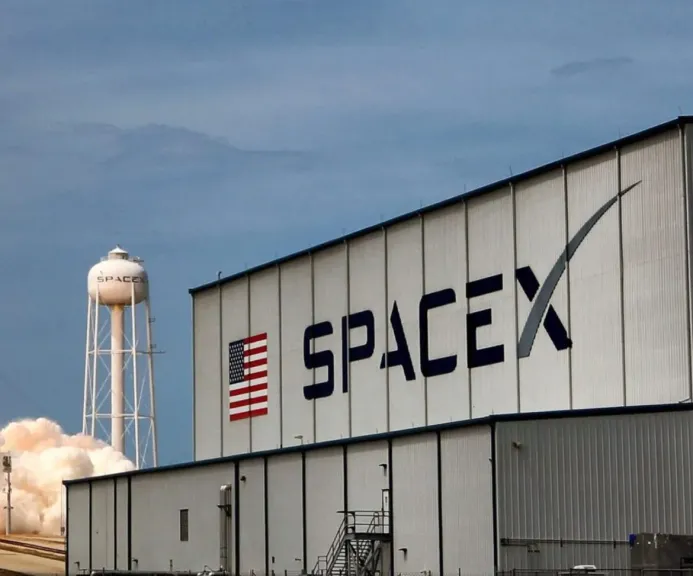
SpaceX is reportedly considering adopting a dual-class share structure as part of preparations for a potential initial public offering (IPO) later this year, a move aimed at preserving founder Elon Musk’s influence and long-term control following a public listing.
Under the proposed framework, select shareholders—led by Musk—would hold a class of shares with enhanced voting rights compared to ordinary shares. This structure would allow them to maintain significant decision-making authority even if their economic stake in the company declines over time. Dual-class systems are widely used among technology firms seeking to balance access to public capital markets with the preservation of founders’ strategic vision.
The aerospace company, known for developing rockets and satellite systems, is also said to be expanding its board of directors and implementing governance arrangements in preparation for a potential offering. Projections suggest the IPO could raise approximately $50 billion, funding expansion initiatives that include artificial intelligence infrastructure and advanced space-based data center concepts, as well as lunar industrial facilities.
The company’s strategic direction increasingly extends beyond rocket launches, particularly amid growing integration with xAI, Musk’s artificial intelligence venture. The alignment signals a broader push to merge advanced computing capabilities with space operations.
Dual-class share structures typically grant founders superior voting power relative to new investors, shielding leadership from activist shareholder pressures. However, critics argue that such frameworks may weaken corporate governance standards and reduce management accountability.
Musk has previously expressed support for governance models that preserve founder control, indicating his preference to retain at least 25% of voting rights across his ventures to advance long-term ambitions in AI and robotics. He currently holds a minority equity stake in Tesla, though his voting influence could expand under future compensation arrangements.
SpaceX has also explored avenues to strengthen collaboration with Tesla amid increasing technological convergence between the two companies, potentially paving the way for deeper integration across advanced technology initiatives.
While final details of the offering structure remain under review and subject to change, the anticipated IPO—if executed—could rank among the largest in the technology and space sectors, marking a pivotal milestone in SpaceX’s transition to a publicly traded entity while retaining strong founder control.