


Intel Warns Global Memory Shortage Will Persist Until 2028 Amid Surging AI Demand
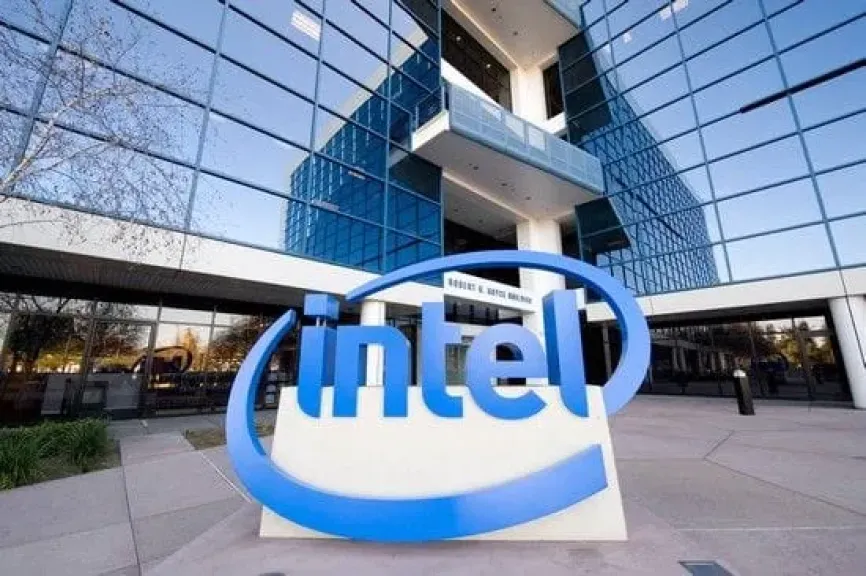
Intel has warned that the global shortage of electronic device memory is expected to continue until at least 2028, citing rapidly accelerating demand from artificial intelligence infrastructure as the primary factor straining supply chains and preventing near-term recovery.
Intel CEO Lip-Bu Tan said the memory market is facing a prolonged crisis that is unlikely to ease for at least two more years. He noted that major industry players have indicated there are no clear signs of supply constraints easing before 2028. Tan added that AI-related consumption has exceeded expectations, prompting manufacturers to redirect memory production toward data centers rather than consumer electronics.
According to Tan, AI technologies require massive volumes of high-performance memory, pushing suppliers to prioritize cloud computing and AI projects over personal computers, smartphones, and household devices. These comments align with earlier statements from Micron executives, who also forecast continued tight supply conditions in the memory market in the coming years.
Tan further warned that the launch of new AI processor platforms—most notably Nvidia’s upcoming Rubin platform—could trigger another surge in demand, intensifying competition for memory supplies and adding further pressure on global markets.
As a result, prices for laptops, smartphones, and desktop components are expected to remain relatively high, with some manufacturers opting to release devices with lower memory specifications to manage costs. Consumers, in turn, may delay upgrade decisions or accept higher prices when purchasing new devices.
Intel emphasized that any meaningful improvement will depend on a significant expansion in production capacity or a slowdown in AI infrastructure demand—an outcome that appears unlikely amid accelerating global investment in artificial intelligence.
related topics
 Cairo University Opens Registration for the Second Edition of Its Entrepreneurship Summit
 Cairo University Opens Registration for the Second Edition of Its Entrepreneurship Summit
 Nvidia Nears $20 Billion Investment in OpenAI as Valuation Approaches $830 Billion
 Saimemory and Intel Launch Z-Angle Memory Program to Advance AI and High-Performance...
 Apple to Upgrade Siri with Google Gemini AI Amid Alphabet Q4 Earnings...
 Western Digital Unveils AI-Driven Storage Roadmap at Innovation Day 2026
 Fourth Arab Actuarial Conference Kicks Off in Dubai, Spotlighting AI and Emerging...
 Cisco Unveils AI-Powered Identity Security with Cisco Identity Intelligence in the Middle...
 Five African Startups Redefining Mobility, Jobs, Fintech, Agriculture, and AI
 Kaspersky Launches AI-Enhanced SIEM Upgrade to Detect Account Compromise and Strengthen Data...
 NRTC Group Launches “Mazraati,” the UAE’s First End-to-End Digital Platform for Fresh...
 Nvidia–OpenAI Talks Stall Over Potential $100 Billion Investment