


Debit vs. Credit vs. Prepaid Cards: Which Is Best for Online Shopping?
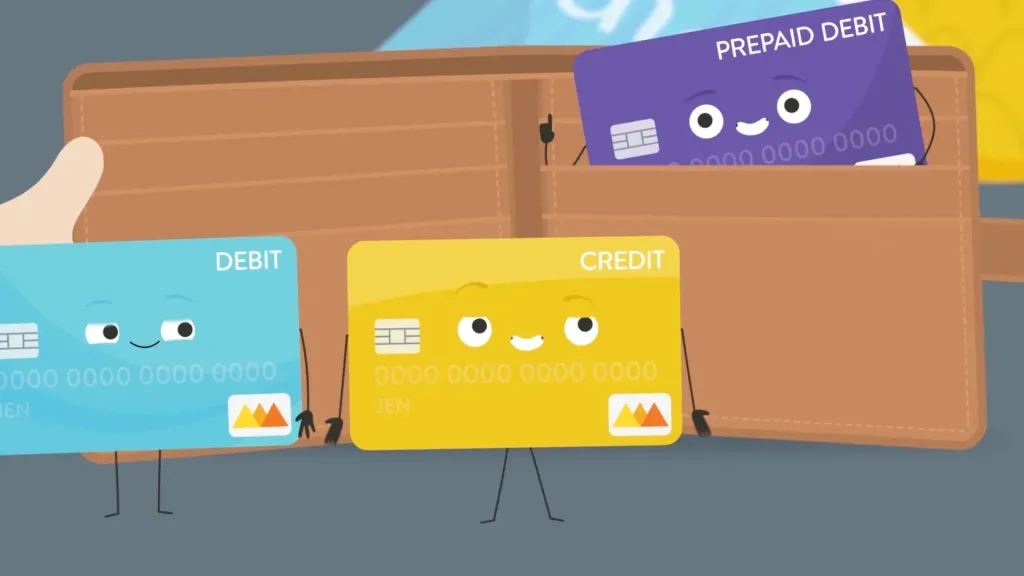
Payment cards have become an essential tool for online shopping, but choosing between debit cards, credit cards, and prepaid cards can be confusing. Each option differs in how purchases are funded, how spending is managed, and what fees or restrictions may apply. The best choice depends on a consumer’s budget, shopping habits, security preferences, and whether they want to spend their own money or borrow from a bank.
The main distinction lies in the source of funds. A debit card draws money directly from a linked bank account, a credit card allows purchases against a credit limit provided by the issuing bank, and a prepaid card uses funds loaded onto the card in advance. Egypt’s Central Bank recognizes all three as payment card categories that can be used for purchases, including e-commerce transactions, subject to the conditions and capabilities of each card.
1. Debit Cards: Direct Access to Your Bank Balance
A debit card is linked to a bank account, and the purchase amount is deducted from the available balance when a transaction is processed. It is a practical option for consumers who want to shop online using money they already have, without taking on credit or managing a repayment schedule. Transaction records also make it easier to monitor spending through banking statements and mobile applications.
However, cardholders should confirm that online payments are enabled and that the card supports the required transaction, particularly when shopping on international websites. Because the card is connected to a bank account, unauthorized transactions may put existing funds at risk. Enabling instant transaction alerts, using trusted merchants, and reporting suspicious activity promptly can help reduce potential losses.
2. Credit Cards: Flexibility With Repayment Obligations
A credit card allows consumers to purchase goods and services using a credit limit set by the issuing bank. The cardholder then repays the amount owed according to the agreed billing cycle and repayment terms. Credit cards may be useful for higher-value purchases, certain reservations, and transactions that specifically require a credit card. Depending on the product, they may also offer rewards, cashback, or other benefits.
The main drawback is the potential cost of borrowing. Late payments, unpaid balances, and certain transactions may trigger interest charges or fees under the card agreement. Consumers who repeatedly pay only the minimum amount due can accumulate debt over time. Before choosing a credit card, users should review its interest rates, repayment deadlines, annual fees, and other applicable charges.
3. Prepaid Cards: Control Over Your Shopping Budget
A prepaid card uses money loaded onto it before purchases are made and does not necessarily require a conventional bank account. This makes it useful for consumers who want to set aside a specific amount for online shopping rather than expose their main bank account to every transaction. Spending is generally limited to the available prepaid balance, subject to the card’s terms and features.
Nevertheless, prepaid cards are not accepted everywhere. Users should check whether the card supports online payments, international transactions, and the payment network accepted by the merchant. They should also review loading limits, reloading fees, issuance charges, and any other restrictions imposed by the issuer.
Which Card Is Best for Online Shopping?
There is no universally best card. Debit cards suit consumers who prefer direct payments from their bank accounts. Prepaid cards offer greater control over a dedicated shopping budget, while credit cards may provide additional flexibility and benefits for users who can manage repayments responsibly.
Regardless of the card type, consumers should shop through reputable websites, enable transaction notifications, avoid sharing card details or verification codes, and use additional authentication when available. Services such as Visa Secure provide an extra identity-verification layer for eligible transactions, although no security measure eliminates every fraud risk.
For consumers prioritizing spending control, a prepaid card may be a suitable starting point, provided it supports the intended purchase. A debit card is practical for those who prefer using existing funds, while a credit card may be appropriate for shoppers who understand its terms and can repay balances on time. Ultimately, acceptance, fees, limits, and protections depend on the issuing bank, card network, and transaction type.
related topics
 Egypt Mobile Wallets 2026: Vodafone Cash, Orange Cash, WE Pay and e&...
 Partnership Between ABE and Visa to Launch Visa Platinum Debit Card
 CIB, Majid Al Futtaim and Visa Launch CIB SHARE Visa Credit Cards...
 Global Stablecoin Card Spending Projected to Quadruple to $50 Billion by 2028,...
 Visa Launches Two New Premium Credit Cards in Malaysia Targeting High-Net-Worth Individuals
 myFawry App Transactions Surge 68.5% to EGP 48 Billion in H1 2026...
 valU and banknxt Launch 10% Cashback Offer on Credit Card Transactions at...
 Suez Canal Bank Expands Visa Travel Benefits Across Platinum and Signature Credit...
 Mastercard collaborates with AFS to launch corporate credit and prepaid cards in...
 National Bank of Egypt and Mastercard Launch USD Corporate Debit Card for...
 The National Bank of Egypt in collaboration with Mastercard launch USD Corporate...
 Dubai Islamic Bank Launches 'Jaywan' Debit Card to Boost UAE’s National Payment...